
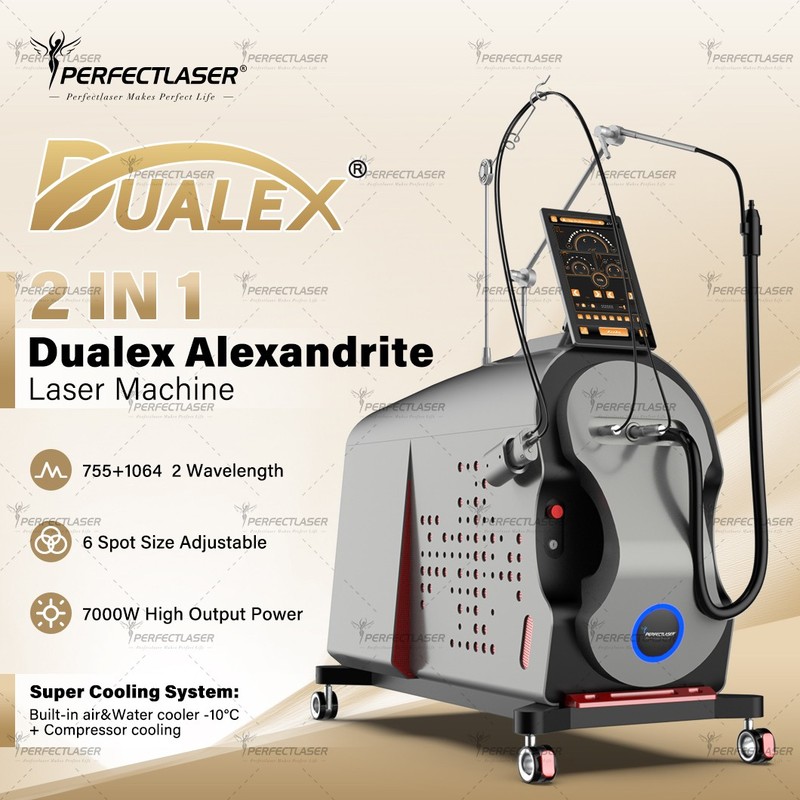
Short answer: an Alexandrite Laser Haarentfernung Maschine is the right first machine when your local client base is predominantly light-skinned — roughly Fitzpatrick types I to III — because its 755nm wavelength is strongly absorbed by hair melanin with less competition from skin pigment. If your market is mixed or darker-skinned, a diode platform or a 1064nm-capable combination deserves the budget instead. Plan the purchase as four lines — machine, flashlamp-tube consumables, training and compliance — and treat every price you see as a 2026 industry observation subject to factory quotation, not a quote.
Buying a first laser is not like buying a first car, though the two get compared a lot. A car keeps its value on the road; a laser earns only when the right clients sit in the right chair. Ask ten equipment dealers for a recommendation and you will hear ten versions of “this one is the industry standard” — which is why the only useful first step is not a brochure at all. It is a demographic sketch of your own neighborhood: the skin types that walk past your door, the hair concerns they mention, the price they can sustain. This guide walks that sketch first and the machine second, because the order decides whether your Alexandrite Laser Hair Removal Machine becomes the room’s best earner or its most expensive ornament.
Step One: Read Your Client Base Before You Read Specs
Alexandrite at 755nm sits near the top of melanin absorption among hair removal wavelengths, which is exactly why it is fast and effective on lighter skin — the hair absorbs the energy and the skin competes less. The flip side is clinical honesty: on deeper skin tones the pigment competition grows, which is why practice guidance steers darker profiles toward longer wavelengths such as 1064nm, and why reputable suppliers and clinicians describe 755nm as the light-skin workhorse rather than a universal machine. So your first question is demographic: estimate the share of your expected clients in Fitzpatrick types I to III. If that share is high — say a Scandinavian-heritage suburb or a young professional district — alexandrite earns its reputation as the efficient premium choice. If your walk-in is diverse or deep-skinned, budget instead for a diode platform or a dual-wavelength configuration, because a machine that cannot safely treat half your market caps your revenue before you open the doors.
Step Two: Budget the Machine — and the Parts That Wear Out
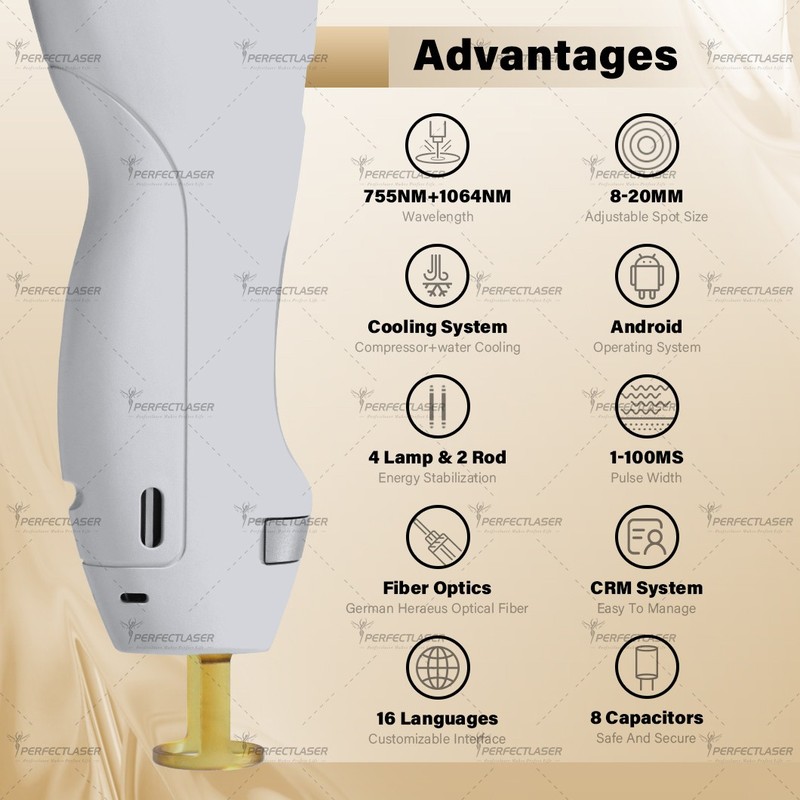
New owners price the console and forget the consumables, and with alexandrite the consumable is the flashlamp tube. The tube has a working life measured in pulses, it dims with use, and replacing it is a real line in the operating budget — so ask every shortlist supplier three numbers in writing: tube life in pulses, tube replacement cost, and the lead time to get a new one to your country. Around the tube sit the familiar lines: freight and import handling, duties and tax (country-specific — ask a customs broker), installation, and operator training, which is cheaper remote and costlier when it includes a factory visit. Add a working-capital buffer, because bookings take weeks to ramp and the first tube does not last forever. Every figure above is a 2026 industry observation with wide regional spread; the written factory quotation for your exact configuration is the number your budget should trust.
| Budget line | Planning note |
|---|---|
| Bare machine (alexandrite 755nm platform) | Largest line; ranges vary widely by brand and configuration |
| Flashlamp tube and spares | Ask for pulse life, replacement cost and lead time in writing |
| Freight and import handling | Sea is slower and cheaper; air is faster and pricier |
| Duties, VAT and sales tax | Country-specific; get an estimate before any deposit |
| Operator training | Remote or on-site; confirm it is in the quotation |
| Compliance and insurance | Local registration questions plus liability cover for the procedure |
Step Three: Training and Compliance Before the First Client
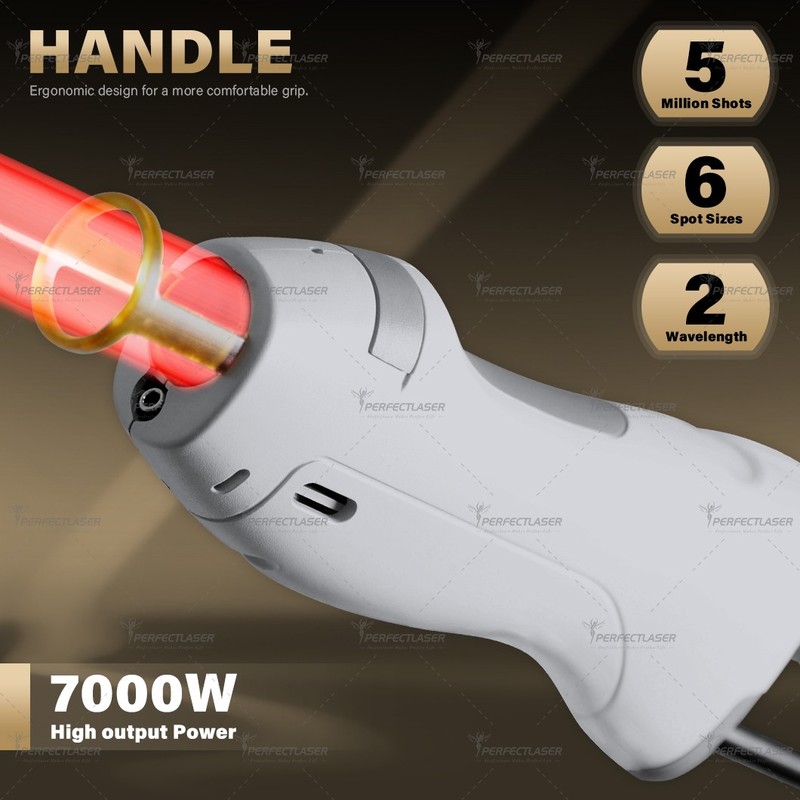
Hair removal lasers are forgiving tools in trained hands and unforgiving in untrained ones. Operator training should cover skin typing, energy and pulse settings per Fitzpatrick group, cooling technique, contraindications and what to do when something looks wrong. On the compliance side, requirements for operating hair removal lasers differ by state in the US and by region elsewhere; some areas require physician oversight for certain device classes, and rules change, so ask your state board or local authority what applies to your service before you sign the equipment order, then confirm the same answer with your insurer. This guide will not answer that question for you — nobody should — but it will tell you to ask it early, because a machine bought under the wrong assumption is the most expensive training course in the industry. Ask Perfektlaser and the rest of your shortlist the same training and compliance questions in writing, and compare the answers the way you will compare the quotes.
Step Four: Launch Pricing and the First Clients
Hair removal sells in courses, not singles: most practices structure packages around six to ten sessions per area, spaced weeks apart, which is the standard course shape for hair growth cycles rather than a promise for any individual client. Price the course, keep a single-session entry price for consultations, and check what established clinics in your postcode charge before you print the menu — published ranges vary by city and positioning. Your first clients come from your existing book, referred friends and a Google Business profile with honest reviews; run a consult-first model, patch test unfamiliar skin, and set expectations about the treatment schedule before you sell the dream of smooth skin. Clients who understand the course before they book are the ones who finish it.
The Five-Line Quote Test for First-Time Buyers
First-time buyers get quoted in two formats: itemized and poetic. Only one of them helps you. Send every shortlisted supplier — Perfectlaser included — the same request and insist on five separate lines: the bare machine, the flashlamp tube with its pulse life, freight with incoterms, a duties estimate, and training. Add two commercial questions: warranty length and spare-parts lead time. When the replies arrive, put them side by side and read the columns, not the totals — a quote that buries the tube inside a “complete package” price is hiding the line that will cost you money every eighteen months, and a quote that lists it openly is inviting the comparison it knows it will win. The supplier who answers all five lines in writing is the one who expects you to buy again after the first machine; the supplier who sends adjectives instead is selling you the first machine and hoping you never need a second conversation.
FAQ (häufig gestellte Fragen)
1. Is alexandrite laser good for a first machine?
Yes, when your local client base is predominantly Fitzpatrick types I to III — 755nm treats them fast and effectively. If your market is mixed or deep-skinned, a diode platform or 1064nm-capable configuration is the safer first buy, because the machine must fit the skin types you actually see.
2. What is the 755nm laser best for?
755nm alexandrite is best for hair removal on lighter skin, where melanin in the hair absorbs strongly while the skin competes less. It is commonly described as fast and effective for that profile, which is why it holds a premium position in light-skin markets.
3. How much should a new clinic budget for a first laser machine?
Budget four lines, not one: machine, flashlamp-tube consumables, training and compliance, plus freight, duties and a working-capital buffer. Ranges vary widely by brand and configuration, so treat published figures as 2026 industry observations and build around written quotes.
4. Do I need special qualifications to run an alexandrite laser?
Requirements differ by state in the US and by region elsewhere, and some areas require physician oversight for certain device classes. Ask your local authority what qualification and supervision rules apply, and confirm with your insurer before you buy — do not let a sales page answer this for you.
5. How do I know if alexandrite fits my market?
Estimate the share of your expected clients in Fitzpatrick types I to III. High share, light-skinned profile — alexandrite is a strong fit. Mixed or deeper-skinned base — plan around diode or a dual-wavelength configuration instead, and let the demographic sketch, not the brochure, make the call.
Leave your email with the Perfectlaser sales team for a free startup cost sheet — machine, tube, freight, training and compliance lines pre-formatted for comparison — and ask for an advisor-led first-machine selection based on the skin-type mix you describe.
 English
  Arabic
  Chinese
  Dutch
Dutch  French
  German
  Italian
  Portuguese
  Russian
  Spanish