
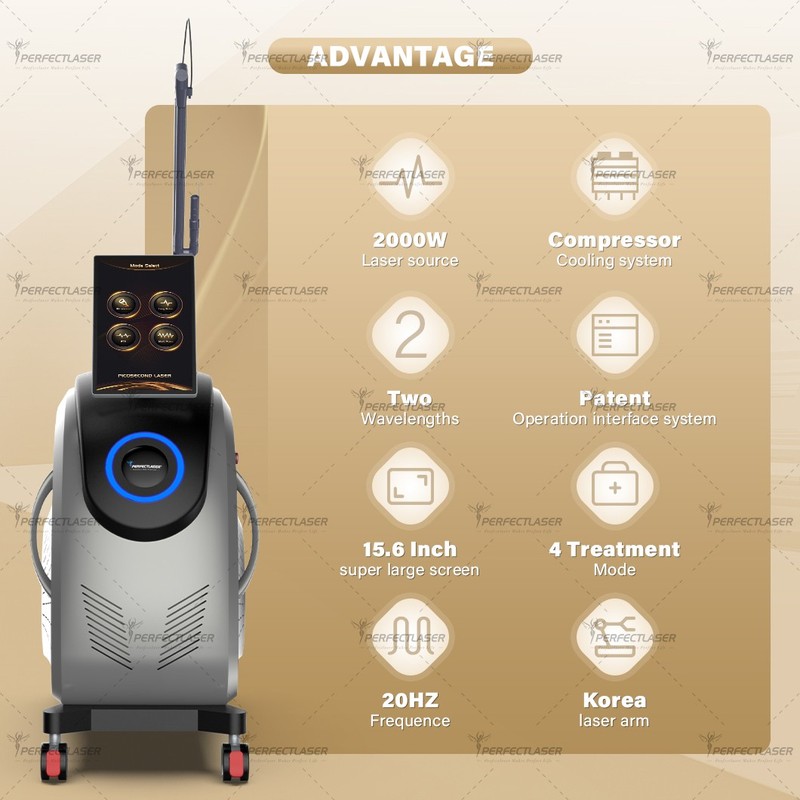
Short answer: a removal room with steady bookings and realistic occupancy can gross five figures a month from a single Picosecond Laser Tattoo Entfernungsmaschine, and the range between “steady” and “struggling” is almost always occupancy, not technology. Every figure here is an industry approximation for planning — your pricing, your case mix and your fill rate decide the real number.
Before the equipment conversation starts, one honesty check: tattoo removal is a course-based business, not a single-session one. A client commits to multiple sessions spaced weeks apart, which means your monthly revenue is built from courses in progress, and a machine earns what the diary earns. This guide builds a realistic monthly model from the three inputs you control — sessions per day, average ticket, and occupancy — and shows the scenarios between a fast room and a slow one. If you have been asking whether a pico machine is worth the investment, the model below is the spreadsheet answer to that question.
The Revenue Model, Line by Line
The arithmetic runs on three numbers, and each deserves an honest estimate before it goes into the spreadsheet. Sessions per day come from treatment time and your booking discipline: a removal session runs from consultation follow-ups to the treatment itself, and a room that blocks removal days instead of scattering them across the week consistently fits more sessions in. Average ticket comes from your pricing structure — session price, course discounts and the mix of small and large work — and most removal rooms build the ticket around the size and difficulty of the tattoo rather than a flat fee. Occupancy is the number that decides everything: a diary at sixty percent earns sixty percent of the model, and new rooms rarely run above that for the first quarter while the referral engine warms up.
Three Scenarios, One Machine
| Scenario | Sessions per week | Average ticket | Monthly gross (approx.) |
|---|---|---|---|
| Ramping (first quarter) | 6–10 | Mid-range | Low four figures, climbing |
| Steady single room | 12–18 | Mid-range | Five figures, before overheads |
| Busy removal-focused room | 20+ | Higher ticket mix | Upper five figures, capacity-limited |
Read the table as a planning map, not a promise: the ranges assume realistic occupancy and pricing in typical Western markets, and overheads — rent, staff, consumables, marketing, the machine’s own depreciation — come off the top before profit exists. The gap between the ramping and busy scenarios is the entire business question, and it is answered by marketing and retention rather than by the machine’s spec sheet.
The Course Structure That Fills the Calendar
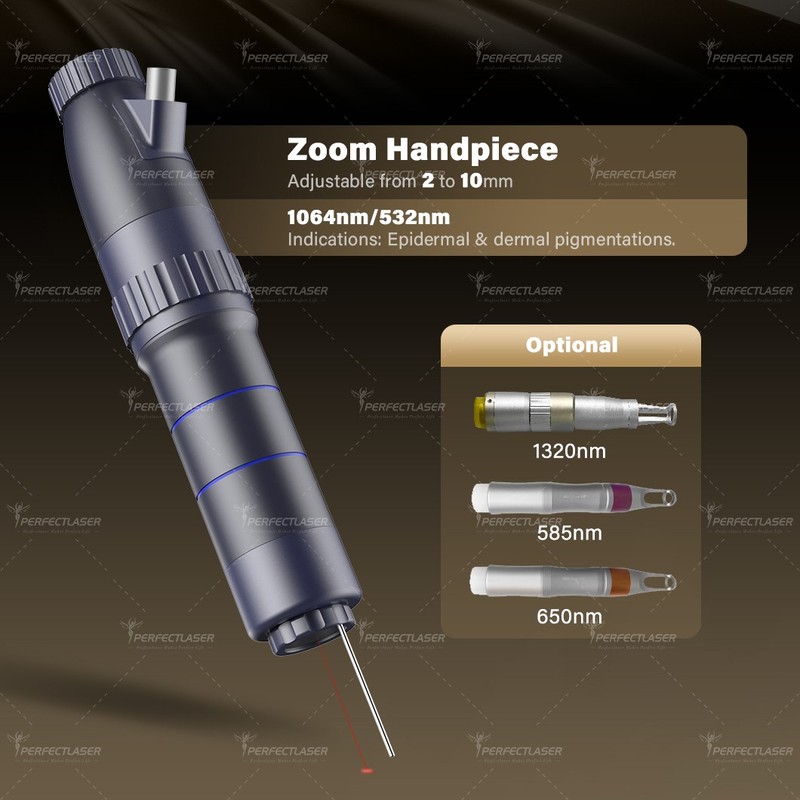
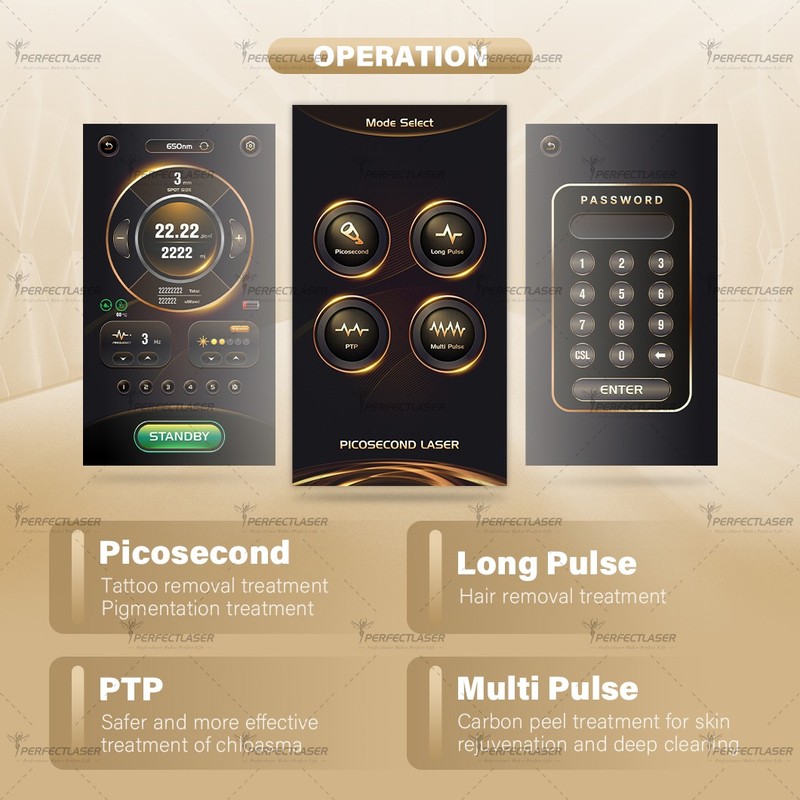
Removal revenue is built course by course, and the rooms that fill diaries treat courses like a product with a beginning, a middle and an end. A typical structure sells sessions individually and in pre-paid courses for larger work, with a consultation and patch test before the first full session and a review appointment built into the course. The economics reward completion: a client who finishes a course becomes a referral source, and a client who abandons one leaves a half-earned booking in the diary. That is why the sharpest rooms watch two numbers in the first quarter — cost per booked client and course completion rate — because if both improve monthly, the revenue model takes care of itself. Perfektlaser‘s sales engineers will model the same course economics with your ticket and occupancy assumptions before you buy. Treatment sessions run on the machine, but the business runs on the course.
Payback Scenarios, Stated Honestly
Payback speed depends on how full you keep the diary. A fast scenario: established clinic with a referral base, removal days blocked in advance, premium ticket mix — the machine’s investment clears in the first several months of steady operation. A realistic scenario for most new rooms: sessions ramping through the first quarter, mid-range tickets, marketing compounding — plan on the investment clearing within the first year, with month one closer to break-even than profit. A slow scenario happens when occupancy stalls: a machine at a few sessions a week is an asset earning interest in the wrong direction, and no platform price fixes a marketing problem. Run the model at the fill rate you can prove, not the one you hope for, and the payback question answers itself.
Is It Worth It? The Honest Answer
For a room that can feed the diary, yes — removal combines high ticket values, course-based recurring revenue and a growing market, and the machine’s costs are predictable once the quote is itemized. For a room that cannot fill two sessions a day, no machine is worth it yet, because the constraint is bookings, not technology. The honest answer also includes the operating reality: sessions are short, courses are long, and the business rewards consistency over heroics — which is exactly why the spreadsheet, not the brochure, should make the final call on whether the machine earns its place in your room — and if you want help running the model, Perfectlaser will walk the scenario with your numbers.
Seasonality and the Referral Loop
Tattoo removal demand follows a quieter calendar than most aesthetic services, which is good news for steady revenue and bad news for owners who rely on seasonal spikes. Removal decisions are emotional and considered — often made after a life change — which means inquiries arrive steadily rather than in waves, and the marketing lever that compounds best is the referral loop: completed courses, honest interval photos and visible fading in your gallery bring the next client in. Smart rooms also price consult well and capture the “I want it gone before summer” spike without discounting the service. The steady demand profile is a structural advantage once your diary is warm — it just takes longer to warm than a seasonal service, which is why the first-quarter occupancy honesty matters so much.
A Worked Example: Ten Clients a Week
Numbers make the model concrete, so run one. Suppose a room books ten removal sessions a week — a realistic target for a new-but-marketing-hard clinic rather than a heroic one — at an average ticket of $120 after course discounts. That is $1,200 a week, roughly $4,800 to $5,200 a month before overheads, or low five figures when occasional larger courses lift the average. Take off typical overheads — room cost, marketing, consumables, the machine’s depreciation — and the owner is building equity in a paid-for asset while the diary grows. Now double the bookings to twenty sessions a week at the same ticket and the gross roughly doubles while the overheads barely move, which is the whole argument for marketing before machine shopping. These are illustrative figures for planning, not promises — your market, your pricing and your occupancy set the real ones, and the calculator invitation below exists precisely so you can replace my numbers with yours.
FAQ (häufig gestellte Fragen)
1. How much can a picosecond tattoo removal machine earn per month?
Planning approximations: a ramping room grosses low four figures monthly, a steady single room reaches five figures before overheads, and a busy removal-focused room can gross upper five figures when capacity allows. Actual results depend on occupancy, ticket and case mix — treat every figure as an estimate for your own model.
2. How profitable is a tattoo removal business really?
Profitable rooms share three habits: course-based revenue, blocked removal days and disciplined occupancy tracking. Overheads — rent, staff, consumables, marketing and the machine’s depreciation — come off the gross, and profit appears once the diary fills. Model it with your own numbers before believing anyone else’s.
3. How many sessions can one machine handle per day?
Treatment time and your booking rhythm decide it; removal sessions are short enough that a blocked removal day fits a meaningful number of clients, with consultation and patch-test slots mixed in. The constraint is demand and operator hours, not the machine’s duty cycle, for any properly specified platform.
4. What is the realistic payback period?
With steady marketing, most rooms plan on recovering the machine investment within the first year, and faster when referral flow is strong and courses complete on schedule. Payback figures are planning ranges — your ticket, occupancy and case mix decide your date.
5. Is a second-hand Q-switched machine a cheaper way to start?
Cheaper to buy, often dearer to run: older platforms can mean longer courses per case, older consumables and unclear service history. If the budget is tight, price the used machine over its full working life — sessions per case and service costs included — before celebrating the sticker price.
Put your own traffic behind the model: tell Perfectlaser your expected weekly consultations, the share of stubborn-ink cases and your target average ticket, and the sales team will return a capacity-based earnings scenario for the Picosecond Laser Tattoo Removal Machine range — run at the occupancy you can prove, not the one you hope for.
 English
  Arabic
  Chinese
  Dutch
Dutch  French
  German
  Italian
  Portuguese
  Russian
  Spanish