
Short answer: fractional CO2 resurfacing is worth it for people whose skin concern is deep enough to justify real downtime — typically deep wrinkles, acne scars or heavy sun damage that creams and gentler lasers have failed. It is not worth it for mild texture, for the downtime-averse, or for anyone promised an easy week. Provider communities commonly report meaningful improvement in acne scars — ranges like 85–90% are often quoted — but those are practice-reported figures, not guarantees; individual results vary with depth, skin type and healing.
Scroll any resurfacing forum and you will find the same two comments under every thread: “life-changing results” and “worst week of my life.” Both are true, which is why the honest answer to “is CO2 fractional laser worth it” is a question back: what are you treating, and can you take the downtime? This article lays out the real recovery, the real results timeline and the profiles it suits, so you can decide with open eyes — and so clinic owners have a script they can stand behind when clients ask.
What Results Actually Look Like — and When They Arrive
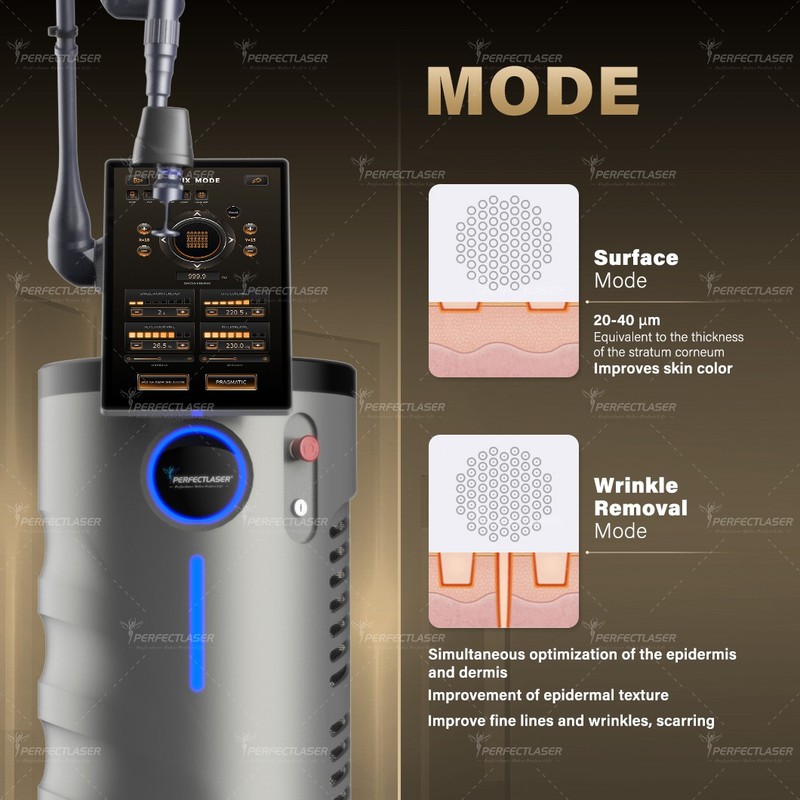
Set expectations by the calendar, not the brochure. The first days after treatment are about healing, not results: redness, swelling and the pinprick pattern dominate, and clients often feel worse before they feel better. New skin settles over roughly 7–10 days, and then the real change begins — collagen remodeling continues for two to three months, which is when texture and scarring visibly improve. Providers photograph at intervals for a reason: judging the result on day five is like judging a renovation while the paint is still drying. Improvement ranges quoted in provider communities — such as the 85–90% figures often cited for acne scars — describe good outcomes under ideal conditions; your result depends on the concern, the depth used and how your skin heals, which is why no reputable clinic promises a number.
The Honest Downtime: Pain, Peeling and the Week Nobody Skips
Downtime is intense, and pretending otherwise damages your clinic more than the downtime ever could. Day one brings redness and swelling; the following days bring the tell-tale dots darkening, crusting and flaking, with the skin feeling tight and sunburned. Most people stay home for several days and look “presentable but pink” for a week or more, with the full settling of new skin taking longer. Sensation during treatment is commonly described as a hot snapping or prickling — uncomfortable rather than unbearable, with topical anesthetic and cooling used to manage it. Pain management and recovery vary significantly by person, depth and area, so every statement here carries the same caveat: individual experience differs, and your provider’s specific aftercare plan is the document that governs your week. Anyone who tells you fractional CO2 is a lunchtime procedure with no recovery is selling something — and so is a machine supplier that cannot explain how it trains downtime counseling. Ask any shortlist, Perfektlaser included, how its operator course handles that conversation.
Who It’s For — and Who Should Walk Away
The ideal fractional CO2 client has a deep concern, realistic expectations and a week they can protect. Think of the person whose acne scars have survived peels and microneedling, or whose deep wrinkles make them look tired no matter their skincare routine, and who can take time off work and follow aftercare strictly. The wrong client is equally easy to spot: mild texture they could address with gentler lasers, an event calendar that forbids visible recovery, or a history of poor healing they have not disclosed. Saying no to the wrong client is not lost revenue — it is the review you did not have to apologize for. A good consultation filters for the right profile, explains the week in plain language and lets the client choose with open eyes.
The consultation screening list deserves its own paragraph, because it protects both sides. Ask about current medications and retinoid use, recent sun exposure and tanning, a history of cold sores in the treatment area, keloid or poor-healing history, and any active skin condition in the zone. These are not bureaucratic questions — they are the difference between a routine recovery and a complication, and every reputable provider treats them as deal-breakers rather than small talk. Clients sometimes omit details because they want the treatment; the provider’s job is to make honesty feel safe, because the risk lands on the client’s skin and the clinic’s license.
Does It Really Work? Separating Evidence from Hype
Fractional CO2 is one of the most-studied resurfacing technologies in aesthetic medicine, and its position as the reference for deep wrinkles and atrophic acne scars rests on that literature and decades of clinical use, not marketing. That is the honest foundation: the mechanism is real, the depth of remodeling is real, and the results are documented. What marketing adds on top — instant results, no downtime, one-size promises — is where skepticism belongs. When you evaluate claims, ask four questions: who is making the claim (a manufacturer’s page or a clinician’s data); does it show a timeline, not just a highlight; are the photos real patients with real healing; and does the provider discuss limitations and risks as readily as benefits? Clinics earn trust the same way — by showing their own protocol, their own follow-up photos taken at consistent intervals, and their own honesty about the week. E-E-A-T is not a slogan here; it is the difference between a clinic that books consults and one that books complaints.
Before-and-After Photos: The Honest Rules
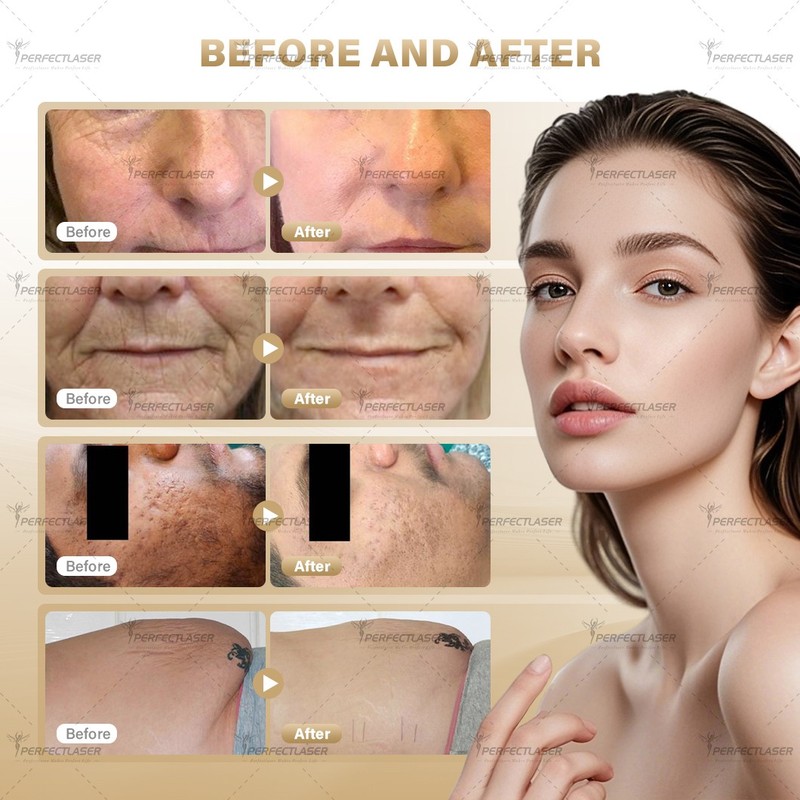
Photographs decide more resurfacing decisions than any paragraph, which is why honest imaging rules matter. Real clinics shoot at consistent intervals — before treatment, at the settled-skin stage, and at the months-later review when remodeling shows — under matching light and angle, and they caption the timeline. They never borrow images from the device manufacturer’s brochure and pass them off as their own cases, never mix “after moisturizer” with “after laser,” and never hide the recovery photos that make the result honest. When you evaluate a clinic’s gallery, look for the same client across intervals and ask what the recovery photos show; when you build your own gallery as an owner, set the interval discipline from day one. One authentic, timeline-honest case is worth more than a hundred borrowed highlight reels — trust is the conversion metric that actually compounds.
What a Client Should Ask Before Booking
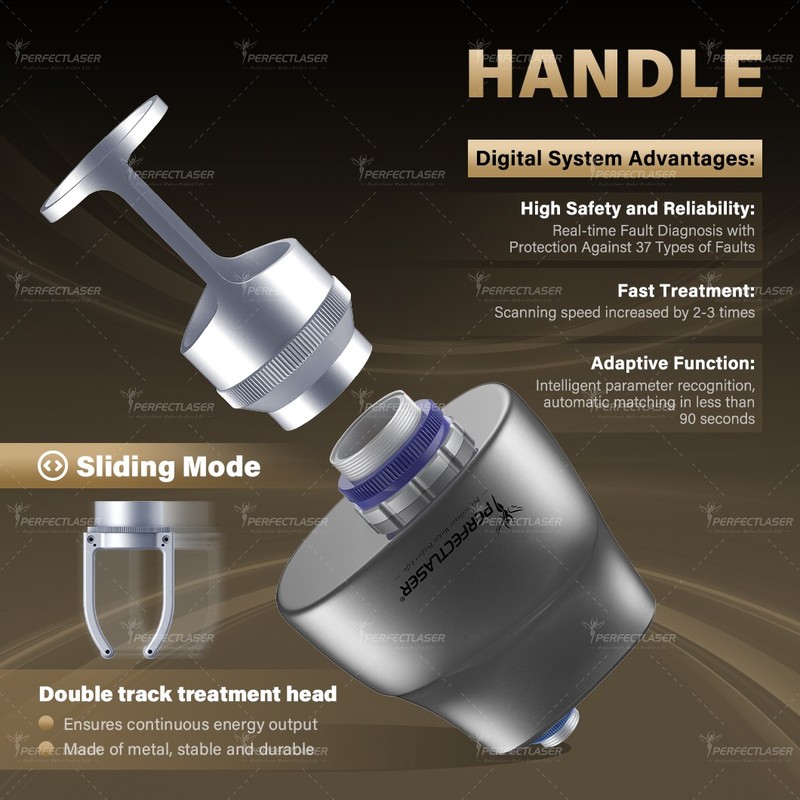
Bring a short list to the consultation. Ask which device and settings will be used and why they fit your skin type; what the recovery will look like day by day for your specific concern and depth; how pain is managed during and after; what the provider’s own complication rate and protocol are; and what aftercare costs beyond the session. Ask to see real follow-up photos of similar cases, taken at matching intervals. If the clinic answers with confidence and specifics, you have found the right kind of operator. If it answers in adjectives, keep looking — the machine is only as good as the protocol around it.
FAQ (häufig gestellte Fragen)
1. Is CO2 fractional laser really worth it?
For deep wrinkles, acne scars or heavy sun damage that gentler treatments have failed, most people who complete the recovery consider it worth the week. For mild concerns or anyone who cannot protect the downtime, it is the wrong tool at the wrong price. Match the treatment to the concern first — and if you are evaluating machines as an owner, ask Perfectlaser for its operator-training outline alongside the quote.
2. Does CO2 fractional laser really work?
Yes — it is one of the most-studied resurfacing technologies and the clinical reference for deep wrinkles and atrophic scars. “Works” needs a timeline, though: healing runs days, remodeling runs months, and community-quoted improvement ranges describe good outcomes, not guaranteed ones.
3. How bad is the downtime really?
Plan for intense first days: redness, swelling and crusting, with most people staying home several days and looking pink for a week or more. Individual recovery varies with depth and skin type, so ask your provider for a day-by-day expectation for your specific plan.
4. Does it hurt?
Treatment is commonly described as hot and prickling — uncomfortable, managed with anesthetic and cooling. Post-treatment soreness and tightness follow for days. Tolerance varies widely, and honest providers adjust settings and aftercare to what you can manage.
5. How many sessions will I need?
Some protocols treat deep concerns in one session; others plan a course spaced weeks or months apart, with maintenance later. The honest answer depends on your concern, depth and healing — ask for a plan based on your skin, and be wary of fixed promises.
If the honest answers above still point to a deep-treatment option, the CO2 Fraktionelle Lasermaschine range is where that conversation continues — recovery expectations included. For clinic owners reading this as a source of answers: when a client asks if it is worth it, walk them through the week first and the results second — honesty is your best conversion tool. If you are evaluating the business side, our guides to monthly earnings scenarios and opening costs cover the numbers behind the machine. Perfectlaser supplies the machines behind many of these consults and will answer configuration questions without the hype.
 English
  Arabic
  Chinese
  Dutch
Dutch  French
  German
  Italian
  Portuguese
  Russian
  Spanish