
The panel artwork comes back from the factory with exactly one thing changed: the model name, reset in a different type weight. That is the moment a distributor learns what an OEM quotation actually covers. Renaming a stock unit is not a custom build. It is a label, and it is priced like one.
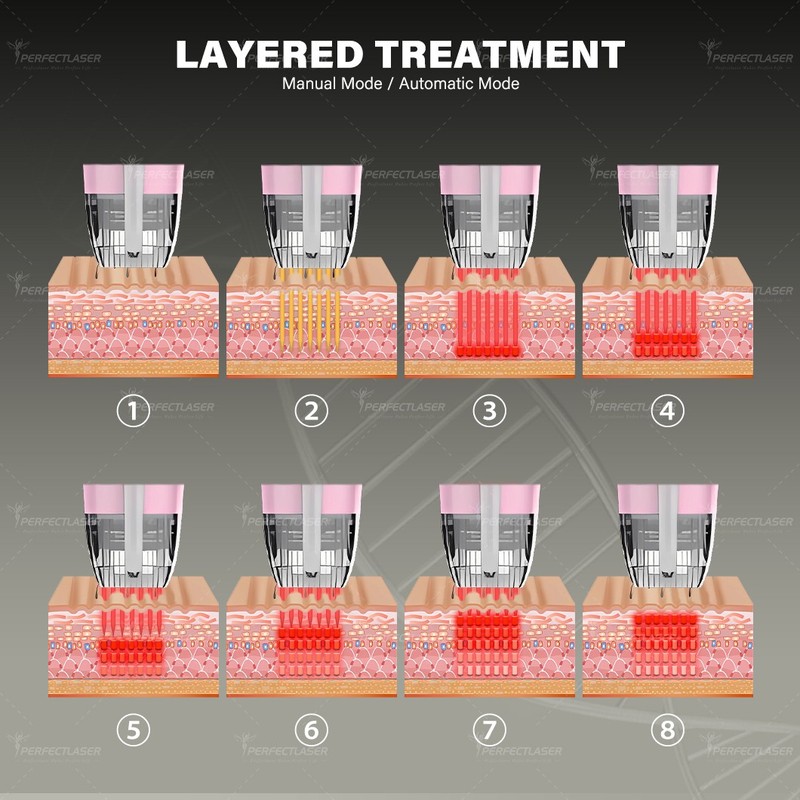
Real OEM work on a microneedling machine touches the shell, the interface, the cartridge line and the carton — four separate decisions that move on four separate clocks.
What an OEM scope is made of
Start with the shell. A stock enclosure with a printed badge is the cheapest version and the fastest. A new front panel means a mould, a trial shot, and a first-article inspection before anything is built on top of it.
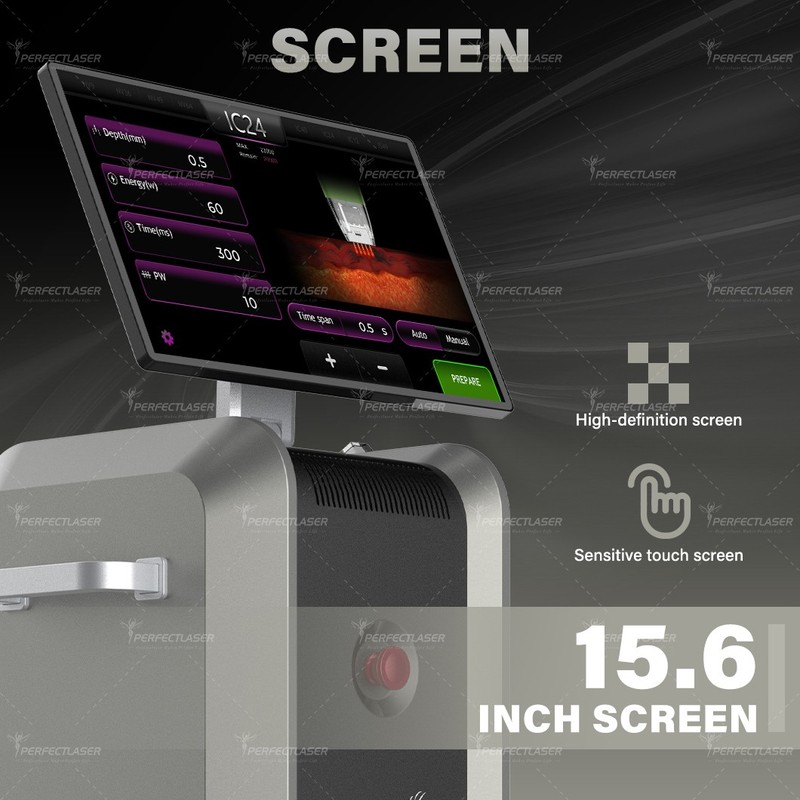
The interface is the second layer. Boot logo, menu wording, default language, and the treatment presets shown on screen. This is software work rather than tooling work, and it is where a distributor’s brand actually lives in daily use.
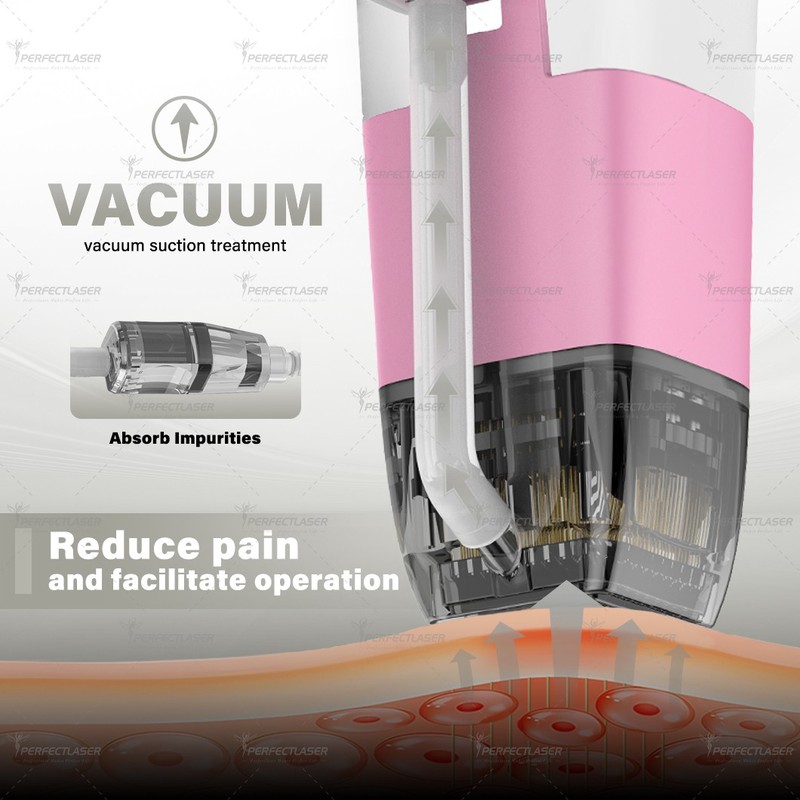
Cartridges are the third and most consequential. If the distributor wants its own needle configuration — a specific needle count within an existing family, or a different hub colour — the question is whether the factory will reformulate an existing assembly or open a new one. Existing assemblies cost a name. New ones cost a tool.
Packaging closes the scope: carton print, insert language, foam cut to the handpiece, and the accessory tray layout.
Which choices set the schedule
Tooling decides everything upstream of it on a private-label microneedling machine. A project that stays inside existing moulds can be quoted with a short first-article cycle. A project that opens a mould should expect a development phase with its own approval gate, and no serious factory will compress that gate to please a calendar.
Interface changes run in parallel and usually finish first, which creates the illusion that the project is nearly done while the shell is still in trial.
Order size governs the economics, not the schedule. Small first runs are normal in OEM, and the honest conversation is about which unit cost applies at which volume band rather than about a single figure.
Clauses distributors regret signing late
Tooling ownership is the first. If the distributor pays for a mould, the agreement should say who holds it and what happens if the relationship ends. Silence on this point means the mould stays where it is.
Cartridge exclusivity is the second. A distributor branding a microneedling machine usually assumes the cartridge is theirs too. Unless the agreement says the assembly is reserved, the same cartridge can appear under another label next season.
Then documentation. A private label does not change which certificates the unit can carry, and it does not transfer the manufacturer’s obligations to the distributor automatically. Establish before signing which documents travel with the goods and in whose name.
Lay two proposals side by side and the shape is clear. The first prices a full scope: shell badge, interface wording, an existing cartridge assembly in a house colour, and printed cartons, with a stated first-article gate and a clause naming the distributor as tooling owner. The second prices “OEM service” as a line item, keeps the stock shell and stock cartridges, prints a carton, and says nothing about tooling or exclusivity. The second is not dishonest. It is simply a different, smaller product wearing the same word.
Quick answers
How custom can a cartridge get? Hub colour, packaging and labelling are routine. A new needle array is a development project and should be budgeted as one.
Does OEM change the hardware specification? Depth range from 0.2mm to 7.0mm, pulse width from 60 to 600ms and drive frequency stay as designed. Branding changes the outside, not the drive train.
What should be approved before production? A physical first article, not a rendering.
Who owns the artwork? Whoever paid for it, if the contract says so. Put it in writing.
Perfektlaser runs its microneedling machine OEM projects from a documented scope sheet, so the shell, interface, cartridge and carton decisions are approved one at a time instead of arriving together in a single surprise shipment.
 English
 Arabic
 Chinese
 Dutch
 French
 German
 Italian
 Portuguese
 Russian
 Spanish