Short answer: site readiness is the cheapest part of a pico laser purchase and the most expensive one to get wrong, because a machine that arrives in an unprepared room sits in its crate while your rent runs. The work divides into five areas — space, power, heat and air, safety, and paperwork — and all five should be finished before the delivery date is confirmed.
Buyers spend their planning energy on the console and their last week on the room, which is exactly backwards. The delivery window is fixed and short: once a Pico Laser Tattoo Removal Machine clears customs, the clock on installation starts, and every missing item on site becomes a delay you pay for twice — once in idle capital and once in postponed bookings. This checklist walks the five areas in the order that matters, notes the items first-time buyers most often forget, and ends with a commissioning-day list you can hand to whoever is on site. Treat it as a purchase document rather than a facilities memo: the answers decide the delivery date, not the other way around.
Area One: Space, Layout and the Working Envelope
The space question is not floor area alone; it is the working envelope around the machine. Walk the room with the console’s dimensions and ask how the operator will move: the treatment position for a client’s arm, back or ankle, the clearance to reach the handpiece from either side, and the space for a second person to assist if your protocol requires one. Add the furniture that belongs in the room — the treatment couch, a trolley for consumables, a stool the operator can adjust, a screen for changing — and notice whether any of it blocks the door swing or the emergency route. Storage is the item that gets forgotten, and it matters more than most buyers expect: handpieces and their cases, spare parts, consumables, aftercare stock, cleaning supplies, and the documentation file all need a place that is away from the treatment field but reachable in one movement. Finally, plan the photography corner that every removal room needs for consented interval images, because consistent framing depends on a fixed position rather than on improvising each visit.
Area Two: Power and Electrical Supply
Power is the area where assumptions become callbacks. Start from the picosecond console’s own requirement — this configuration supports 110V/220V — and hand it to a qualified electrician rather than translating it yourself, because the supply question includes circuit capacity, earthing, protection and the local code that governs medical-adjacent equipment. The practical items are a dedicated circuit for the machine, a socket positioned so the cable is not a trip hazard across the treatment path, an emergency isolation point the operator can reach without moving a client, and surge protection if the building’s supply is unstable. If your room will run more than one device, add the load arithmetic now: the figure that matters is not what each machine draws alone but what the room draws when everything is in use. Ask the electrician to confirm the work in writing, and keep that document with the machine’s file — insurers and inspectors both ask for it, and both ask at the least convenient moment.
Area Three: Heat, Air and the Working Environment
Heat management is a two-sided problem: the room has to stay comfortable for the client, and the console has to sit inside the temperature range its manufacturer specifies. Confirm that range with the supplier, then look at the room honestly — direct sun through a window, a small space with no airflow, a unit shared with other heat-producing equipment. The usual remedies are ventilation, shade, and air conditioning sized for the room rather than for the floor plan’s marketing description. Air quality matters for a second reason: treatment rooms generate odours and fine particulates, and a room with proper extraction is a room that clients describe as professional. Beyond climate, two smaller items belong in this area: lighting bright enough to assess skin tone accurately, and a layout that keeps the machine out of the path of any liquid being carried across the room. None of this requires a laboratory; it requires the room to be finished before the crate arrives.
Area Four: Safety, Eyewear and Waste
Safety equipment is cheap, and its absence stops a launch. Eyewear for the operator and everyone in the room during treatment, matched to the wavelengths the picosecond platform actually delivers, belongs in the budget along with a spare pair and a storage case. Signage for the door and the treatment zone, a first-aid kit, a fire extinguisher appropriate to an electrical room, and an eye-wash point if your local rules require one are standard items. Then come the consumables of hygiene: gloves, disinfection supplies, single-use items and a clinical waste route for anything soiled — with the local regulations deciding how that waste leaves the building, not your own convenience. Consent forms, patch-test records and the laser safety instructions belong in the same storage place as the certificates, so that the file presented at an inspection is complete rather than nearly complete. Review this area with your insurer before opening, and write down what they require.
Area Five: Paperwork Before Delivery
The paperwork area is where the launch is either smooth or stalled, and it should be closed before the machine ships. Confirm what local rules require for operating the device: some markets regulate the device class, others the operator’s qualification, and the requirements can change, so the answer has to come from your authority and your insurer in writing rather than from a forum. Then assemble the file: the machine’s documentation set, the electrical certification for your fit-out, the operator’s training records, the insurance policy, and your client-facing consent and aftercare documents. Add the two commercial documents that protect the timeline — the purchase quotation with the delivery window and the installation plan agreed in writing, including who is responsible for what on arrival. If a lift, a narrow doorway or a stairwell stands between the loading bay and the treatment room, measure it now and tell the supplier, because the alternative is discovering the problem with the crate on the pavement.
Site Readiness Checklist
| Area | Items to confirm before delivery |
|---|---|
| Space | Working envelope, couch and trolley layout, storage, photography corner |
| Leistung | Voltage requirement, dedicated circuit, earthing, isolation point, surge protection |
| Heat and air | Manufacturer’s temperature range, ventilation, shading, air conditioning, lighting |
| Safety | Eyewear, signage, first aid, extinguisher, disinfection, clinical waste route |
| Paperwork | Local rules, certificates, insurance, training records, consents, delivery plan |
| Access | Doorway and stair measurements, lift dimensions, delivery window and site contact |
The Commissioning Day List
Commissioning day decides whether the machine starts earning that week or sits idle waiting for a follow-up visit. Have on site the person who will operate the machine, the electrician’s written confirmation, and the room cleared and clean so the console goes straight to its position. Walk through the installation with the commissioning engineer and ask a question at every step, because this is the only visit where someone explains the machine while standing next to it. Then run the acceptance checks and record them: power-up and self-check, the settings the operator will use most often, the handpiece connections, and a supervised trial on a suitable test medium. Capture the service contact, the spare-parts list and the training outline in writing before the engineer leaves, and book the follow-up training session on the calendar that day. Rooms that treat commissioning as a project milestone rather than a delivery are treating it correctly.
FAQ (häufig gestellte Fragen)
1. How much space does a pico laser machine need?
More than the console’s footprint: the working envelope for the operator, clearance to reach the handpiece from both sides, room for a couch and trolley, and storage for consumables and the documentation file. Plan the movement rather than the square metres.
2. What electrical supply is required?
This configuration supports 110V/220V, and the supply design — circuit capacity, earthing, protection and isolation — should be specified by a qualified electrician against your local code. Ask for the confirmation in writing and keep it with the machine’s file.
3. Do I need special ventilation?
Treatment rooms benefit from ventilation and comfortable climate control, and the console should sit within the temperature range its manufacturer specifies. Confirm that range with the supplier and size the room’s cooling for the room, not for the floor plan.
4. What safety equipment belongs in a removal room?
Wavelength-matched eyewear for everyone present, door and zone signage, a first-aid kit, a suitable fire extinguisher, disinfection supplies and a compliant clinical waste route — with the local rules deciding the details. Review it with your insurer before opening.
5. When should the site work finish relative to delivery?
Before the delivery window is confirmed. Electrical work, climate control, storage and the paperwork all run on other people’s schedules, and every item unfinished on arrival becomes a day the machine spends in its crate while your fixed costs continue.
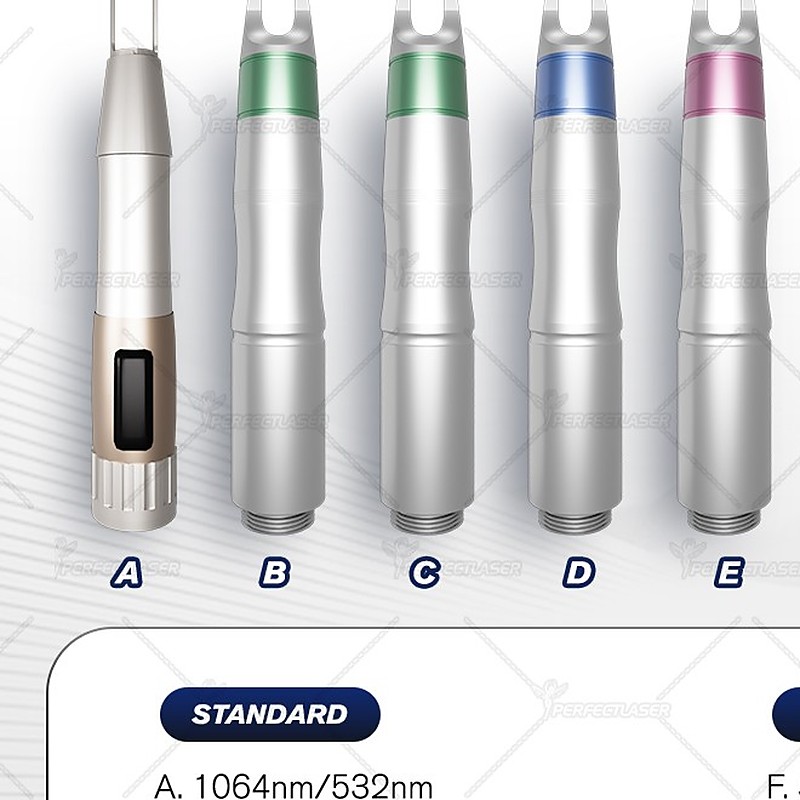
If the checklist above raised questions about the machine’s own requirements, ask the Perfektlaser team for the UltraPico installation guide, temperature range and electrical specification together — the numbers you hand your electrician and your contractor should come from the same document as the Pico Laser Tattoo Removal Machine you ordered.
 English
 Arabic
 Chinese
 Dutch
 French
 German
 Italian
 Portuguese
 Russian
 Spanish