
La scienza dietro la tecnologia laser a diodo
Come funzionano i laser a diodo nella rimozione dei capelli
La tecnologia di depilazione laser a diodi dipende dalla fototermolisi selettiva. Il sistema produce un raggio di luce stretto a una lunghezza d'onda specifica, spesso intorno agli 800-810 nanometri. Questo raggio punta direttamente sulla melanina, il pigmento nelle radici dei capelli. La melanina assume il potere della luce. Successivamente cambia in calore. Il calore ferisce la radice. Inoltre, blocca la formazione di nuovi capelli.
Il modo preciso mantiene la pelle circostante per lo più indennizzata. Parti di raffreddamento incorporate in laser a diodo rimozione capelli macchine Offre una maggiore sicurezza della pelle. Una di queste parti è il raffreddamento a contatto. Tiene la pelle’ strato esterno a bassa temperatura durante tutta la procedura. Così, riduce il disagio e diminuisce il rischio di danni da calore.
Differenziare i laser a diodo da altri tipi di laser
I laser a diodo si distinguono dalle impostazioni laser comuni per la depilazione. Prendete i laser di Alessandrite, che operano a 755 nm. Poi ci sono i laser Nd:YAG a 1064 nm. I laser a diodo forniscono una solida miscela di risultati. I tipi di alessandrite si muovono rapidamente e funzionano bene sulla pelle chiara. I tipi Nd: YAG si sentono più sicuri sulla pelle abbronzata, eppure tendono ad essere meno forti contro i capelli fini.
I laser a diodo funzionano a 800-810 nm. Questo crea una giusta corrispondenza tra la profondità della luce e la cattura della melanina. La lunghezza d'onda eccelle nel colpire la base dei capelli. Nel frattempo, ha un obiettivo efficace per varie tonalità della pelle.
I laser a diodi combinano sicurezza, velocità ed efficacia bene per la depilazione. Essi servono bene una vasta gamma di clienti.
I principali vantaggi della depilazione laser a diodo
Targeting di precisione dei follicoli capelli
I laser a diodi applicano la fototermolisi selettiva per dirigere il calore direttamente alla radice dei capelli. Essi risparmiano la pelle vicina dai danni. Questo metodo brilla per capelli grossolani e scuri con una messa a fuoco esatta. I praticanti possono anche regolare la lunghezza del polso. Di conseguenza, personalizzano le sessioni per corrispondere alla densità dei capelli e alla risposta della pelle. Pertanto, i trattamenti rimangono sicuri e adatti agli individui.
Comfort maggiore durante le sessioni di trattamento
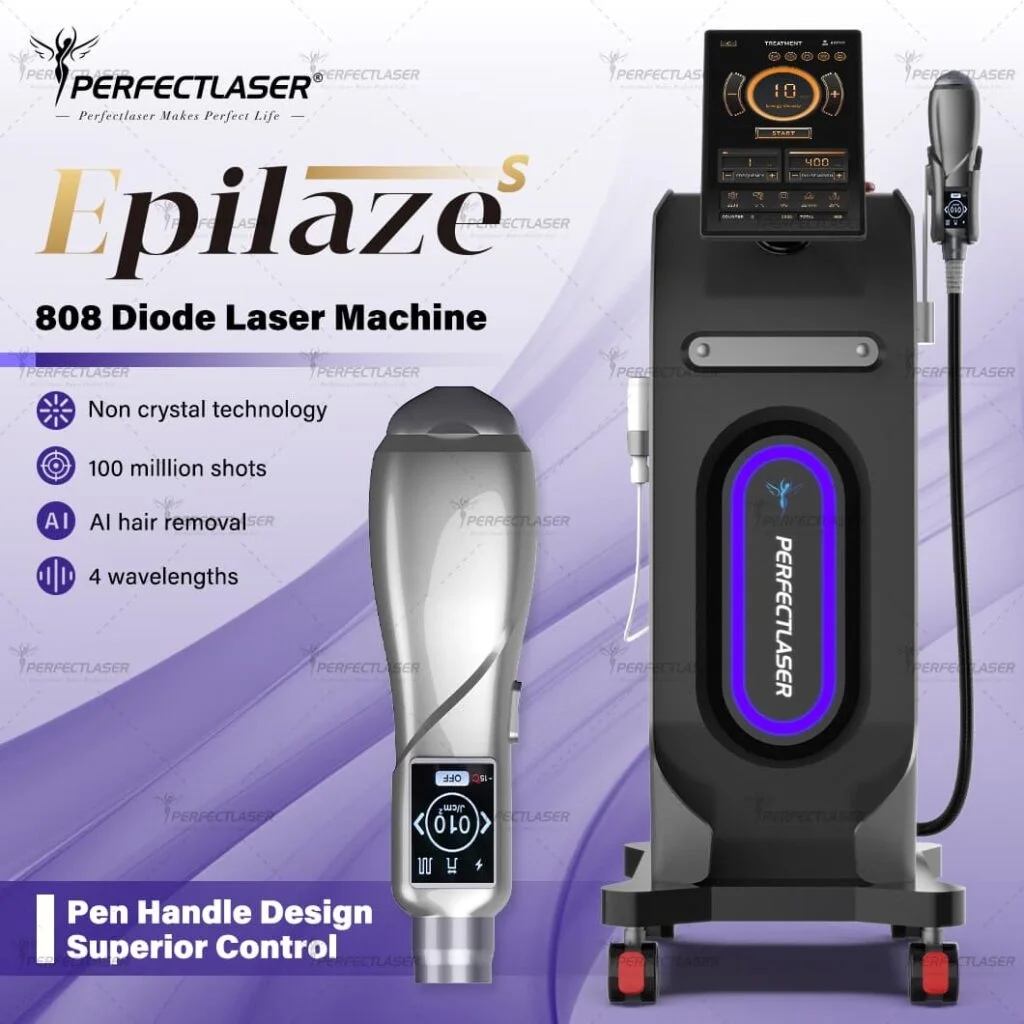
Un vantaggio fondamentale dei sistemi laser a diodi risiede nelle loro caratteristiche di raffreddamento integrate. Molti modelli attuali si basano sul raffreddamento a contatto. Una finestra raffreddata zaffiro o equivalente preme contro la pelle’ superficie s. Fornisce una schermazione costante nel trattamento. Di conseguenza, questo riduce bruscamente il dolore e l'irritazione.
I pazienti spesso notano che le sessioni laser a diodo causano meno dolore rispetto alle opzioni precedenti come IPL o laser più vecchi. Il raffreddamento migliora la sensazione generale dei pazienti. Inoltre, consente ai fornitori di applicare livelli energetici più elevati senza rischi. Quindi, questo solleva la procedura’ Il successo. Ad esempio, il iquesto laser haria di removal device di Perfectlaser aumenta questa facilità attraverso il suo sistema di raffreddamento superiore, rendendolo una scelta preferita per una riduzione efficiente dei capelli basata su dispositivi.
Versatilità tra i tipi di pelle e le aree del corpo
Grazie alla gestione precisa dell'energia e alla lunghezza d'onda adatta, i laser a diodi si adattano ai tipi di pelle Fitzpatrick da I a V. Tale adattabilità rende l'epilazione laser a diodi pratica per diversi clienti.
Inoltre, le configurazioni di diodi gestiscono quasi tutte le regioni del corpo. Questi comprendono aree delicate come il viso, le ascelle e la zona del bikini. Gestiscono anche parti estese come la schiena e le gambe. Le opzioni su misura aiutano i fornitori ad affrontare il numero variabile di capelli e le reazioni cutanee in tutti i siti del corpo.
Efficienza del trattamento e risultati a lungo termine
Velocità e capacità di copertura dei dispositivi a diodo
I recenti sistemi laser a diodo si concentrano sulla rapidità e sulle prestazioni solide. I punti di trattamento più grandi consentono una rapida copertura di zone ampie come le gambe o la schiena. A sua volta, questo taglia le lunghezze della sessione.
Frequenze di impulso elevate, tracciate come impulsi al secondo, supportano il rilascio rapido di energia. Conservano precisione e protezione. Tali qualità aiutano gli impianti a gestire volumi più elevati. Lavorano per grandi operazioni e sessioni personali allo stesso modo.
Le piattaforme laser a diodi includono comunemente strumenti di scansione intelligenti. Questi garantiscono un trattamento completo dell'area. Inoltre evitano ripetizioni o lacune.
Riduzione sostenibile dei capelli nel tempo
I capelli si sviluppano attraverso fasi: anagene per la crescita attiva, catagene per la transizione e telogene per la dormanza. I laser a diodo funzionano in modo ottimale nell'anagene, quando le radici detengono molta melanina. Sono necessarie visite multiple per catturare i peli attraverso le fasi.
Ogni visita crea lesioni termiche alle radici attive. Ciò provoca una diminuzione duratura dei capelli. Numerosi pazienti notano una diminuzione dell'80-90% della crescita dopo una serie completa. A seconda della varietà dei capelli e dei fattori ormonali, i follow-up annuali occasionali possono sostenere gli effetti.
Considerazioni sulla sicurezza e innovazioni tecnologiche
Caratteristiche di sicurezza integrate dei moderni laser a diodo
Le unità laser a diodo correnti dispongono di varie misure di sicurezza per un funzionamento coerente. I sistemi di sorveglianza in corso gestiscono il rilascio di energia durante le procedure. Garantiscono uniformità e scudo da turni che potrebbero portare a ustioni o risultati deboli.
I rilevatori di prossimità della pelle interrompono l'attivazione del laser a meno che l'applicatore non si posiziona correttamente sulla pelle. Regolazioni della durata del polso anche ridurre le possibilità di ustioni o problemi di pigmentazione. Regolano il tempo di applicazione del calore per area.
Il sistema di alimentazione laser mantiene una potenza stabile in tutte le condizioni. Modelli come il Macchina laser a diodo 808nm da Perfectlaser incorporare queste garanzie, garantendo una funzionalità affidabile del dispositivo in ambienti professionali.
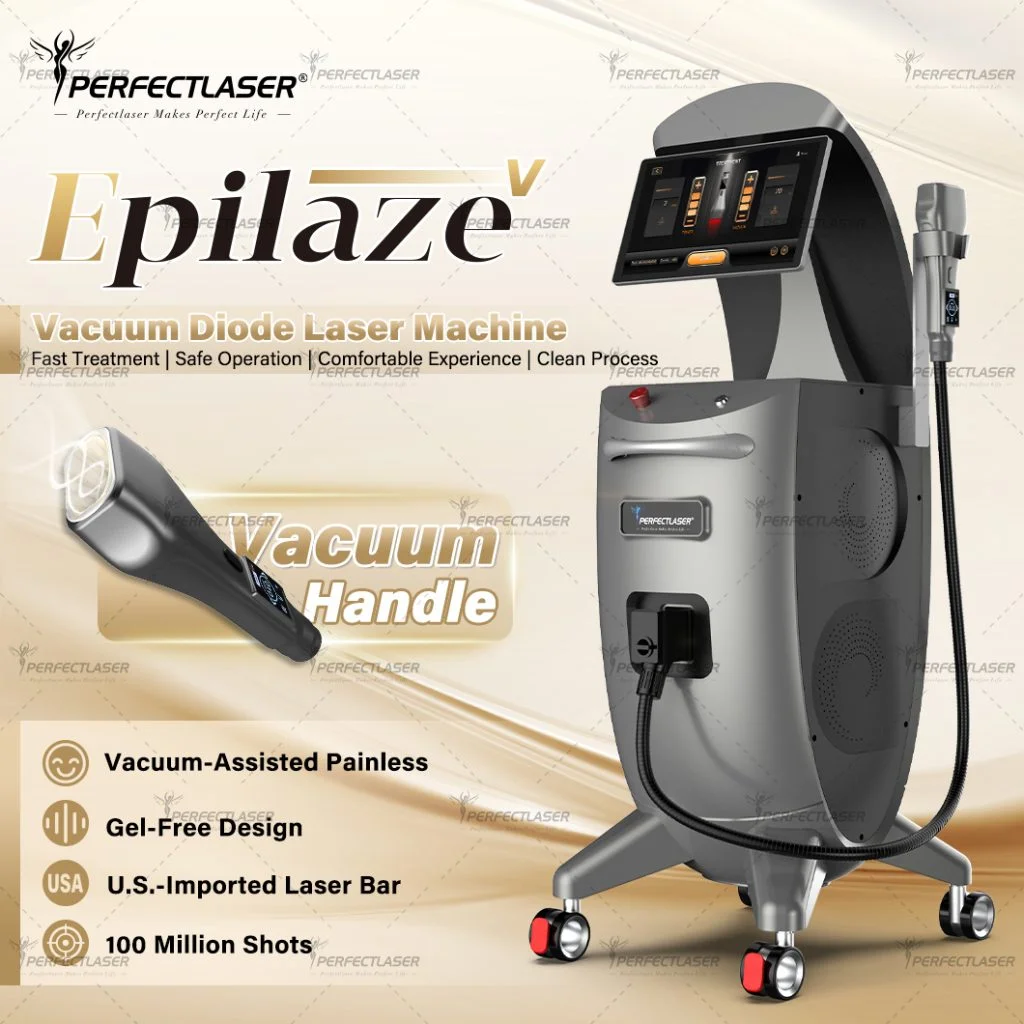
Progressi recenti nell'ingegneria laser a diodi
Gli sviluppi nella tecnologia laser a diodi ampliano costantemente le sue applicazioni e le sue capacità. Le unità a diodo a doppia lunghezza d'onda ora mescolano fasci di 755 nm e 810 nm. Di conseguenza, le sessioni migliorano per tonalità della pelle assortite e texture dei capelli.
I sistemi basati sull'intelligenza artificiale regolano la potenza, la lunghezza degli impulsi e il raffreddamento dai dettagli del cliente. Ciò riduce gli errori degli utenti e migliora i risultati.
Inoltre, le unità laser a diodo portatili guadagnano popolarità. Consentono alle cliniche e ai saloni compatti di fornire trattamenti di alta qualità senza ingranaggi fissi ingombranti.
Gli elementi a fibra laser a diodo aumentano l'efficienza del trasferimento di potenza. Allo stesso tempo, supportano le costruzioni di unità compatte.
Le tendenze del mercato che guidano l'adozione della tecnologia laser a diodi
Crescente domanda di soluzioni estetiche non invasive
Le persone cercano sempre più metodi chirurgici per migliorare l'aspetto. Questi metodi promettono benefici estesi con interruzioni minime. La diminuzione dei capelli a lungo termine rappresenta un'opzione senza chirurgia principale in tutto il mondo.
Questa preferenza si allinea strettamente con i punti di forza del laser a diodo. I dispositivi producono miglioramenti persistenti attraverso brevi visite. L'anestesia o i periodi di riposo si rivelano inutili. Con la crescente conoscenza dell'affidabilità del laser a diodi, gli utenti si spostano da approcci convenzionali come la ceratura o il rasatura.
Integrazione nelle pratiche di dermatologia e Medspa
I laser a diodo formano un componente vitale in oggi’ dermatologia e pratiche estetiche. Forniscono affidabilità e adattabilità. Le strutture beneficiano di procedure brevi, design sicuro e idoneità per una vasta base di clienti.
Questi aspetti posizionano i sistemi laser a diodi come un saggio investimento per espandere le offerte di depilazione. Le versioni aggiornate si dimostrano più economiche e user-friendly. Così, il loro uso si espande a centri sanitari di lusso e saloni modesti.
Dettaglio: I dispositivi laser a diodo avanzano attraverso componenti strutturali raffinati. Questi facilitano la gestione diretta e elevati livelli di soddisfazione del cliente.
Domande frequenti:
D: Che cos'è la tecnologia laser a diodo e come funziona nella depilazione?
R: La tecnologia laser a diodi funziona utilizzando la fototermolisi selettiva, mirando alla melanina nei follicoli pilosi con una lunghezza d'onda specifica di luce (800-810 nm). La luce viene assorbita dalla melanina, trasformandosi in calore che danneggia la radice dei capelli, bloccando la crescita dei capelli futuri riducendo al minimo i danni alla pelle circostante.
Domanda: In che modo la depilazione laser a diodo è diversa da altri metodi laser?
A: A differenza dei laser di Alessandrite, che funzionano bene sulla pelle più chiara, o dei laser Nd: YAG, ideali per la pelle più scura, i laser a diodo operano a 800-810 nm, trattando efficacemente un'ampia gamma di tipi di pelle e colori di capelli. Offrono precisione, velocità e sicurezza, rendendoli una scelta versatile e popolare per la depilazione.
D: Quali sono i vantaggi dell'uso di laser a diodo per la depilazione?
A: I laser a diodi forniscono vantaggi chiave, tra cui il puntamento di precisione dei follicoli pilosi, un maggiore comfort grazie ai sistemi di raffreddamento integrati e la versatilità in diversi tipi di pelle. Inoltre, i laser a diodi offrono un trattamento efficiente con risultati a lungo termine, richiedendo meno sessioni per una riduzione sostenibile dei capelli.
 English
  Arabic
  Chinese
  Dutch
Dutch  French
  German
  Italian
  Portuguese
  Russian
  Spanish