
Understanding Nd:YAG Laser Technology
A good spot in modern tattoo removal tools sits the Nd:YAG laser, known as neodymium-doped yttrium aluminum garnet. Running on a frequency of 1064 nm, it’s placed near the top of effective ranges. Deep within layers, light from this source finds its way through tissue. Its reach allows targeting those old pigment nests hidden beneath. Focused on pigments, yet protecting surrounding tissue. Because of this, it works well when removing deep colors such as black and blue ink. For red and orange, using a doubled frequency – like the 532 nm setting – helps cover those hues effectively.
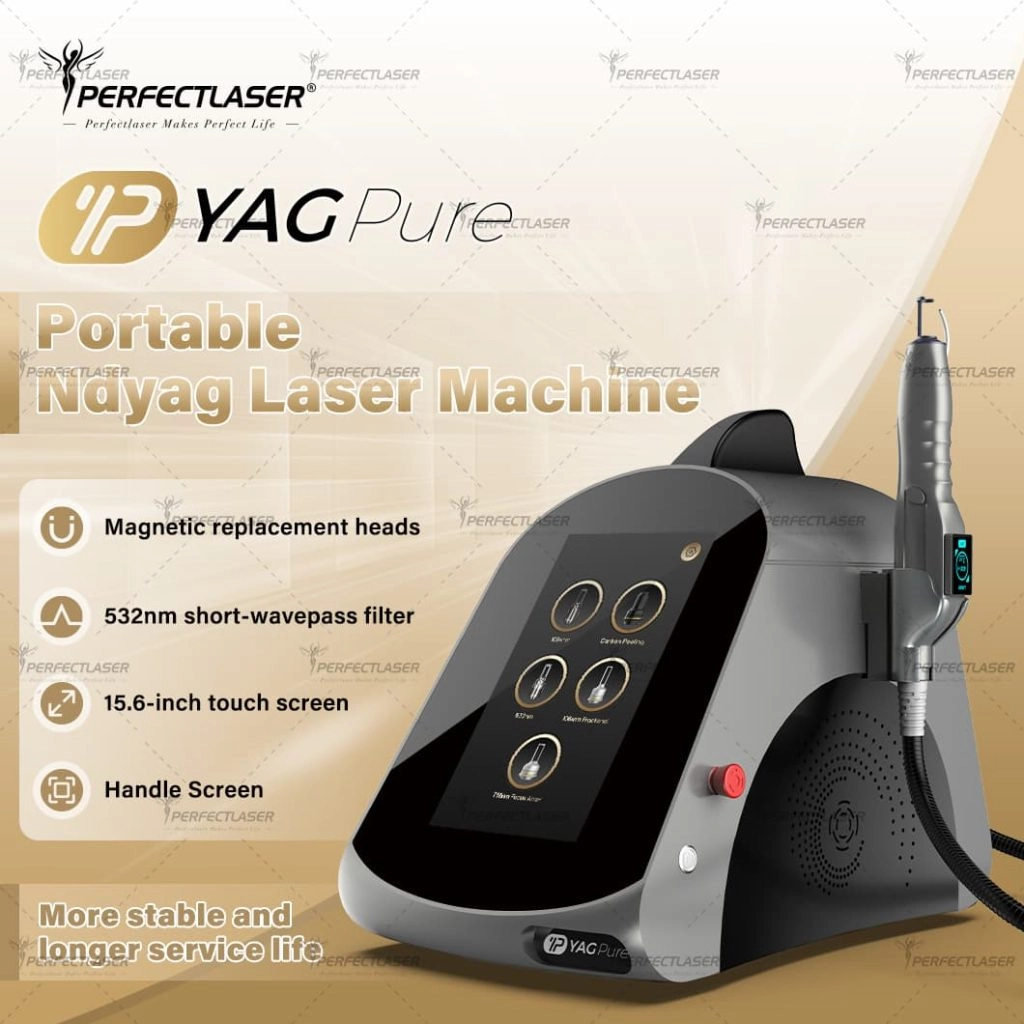
Beauty salons use a portable laser tool running on 532nm, 755nm, 1064nm, and 1320nm Nd Yag tech. Tattoo removal and skin pigmentation targeting rely on the 1064nm and 532nm beams. Power levels shift between 10 and 1000 millijoules. Pulse duration lands at just 12 nanoseconds. At times the pace climbs to 10 Hz. Because of that, those who treat tattoos often adjust methods based on each area’s traits. With this way of doing things, outcomes tend to be more clear.
Key Benefits of Nd:YAG Laser Tattoo Removal
Precision and Safety for All Skin Types
What makes Nd:YAG lasers stand out is how precise they can be while staying safe. Instead of heating everything equally, they rely on selective photothermolysis. Energy from the laser targets colored ink directly. That focus works by zeroing in on the ink particles themselves. It keeps surrounding skin tissues safe. That means fewer burns or scars happen. For sensitive areas or those with darker skin, these advantages make a real difference.
Patients face lower risks when using 1064nm light, especially if they fall into any of the Fitzpatrick skin type categories from I to VI. Melanin does not absorb this energy as strongly, so the beam tends to bypass pigmented areas. As a result, people with darker tones often find it works well for them. This skips big risks – pigment vanishing or scarring. Because it uses 1064nm light, penetration goes further. Works better on darker skin shades too.
Reduced Discomfort and Faster Recovery
Today’s Nd:YAG lasers come built with updates that make procedures smoother for users. These changes also reduce problems once treatment wraps up.
With these systems in place, swelling tends to go down while skin turns pink less often. Because of that, recovery speeds up over time. Earlier laser technologies sometimes left eyes puffy for days or caused sore blisters. Still, Nd:YAG setups mean people can jump back into regular life faster. Recovery here needs almost no pause.
Fewer Sessions for Noticeable Results
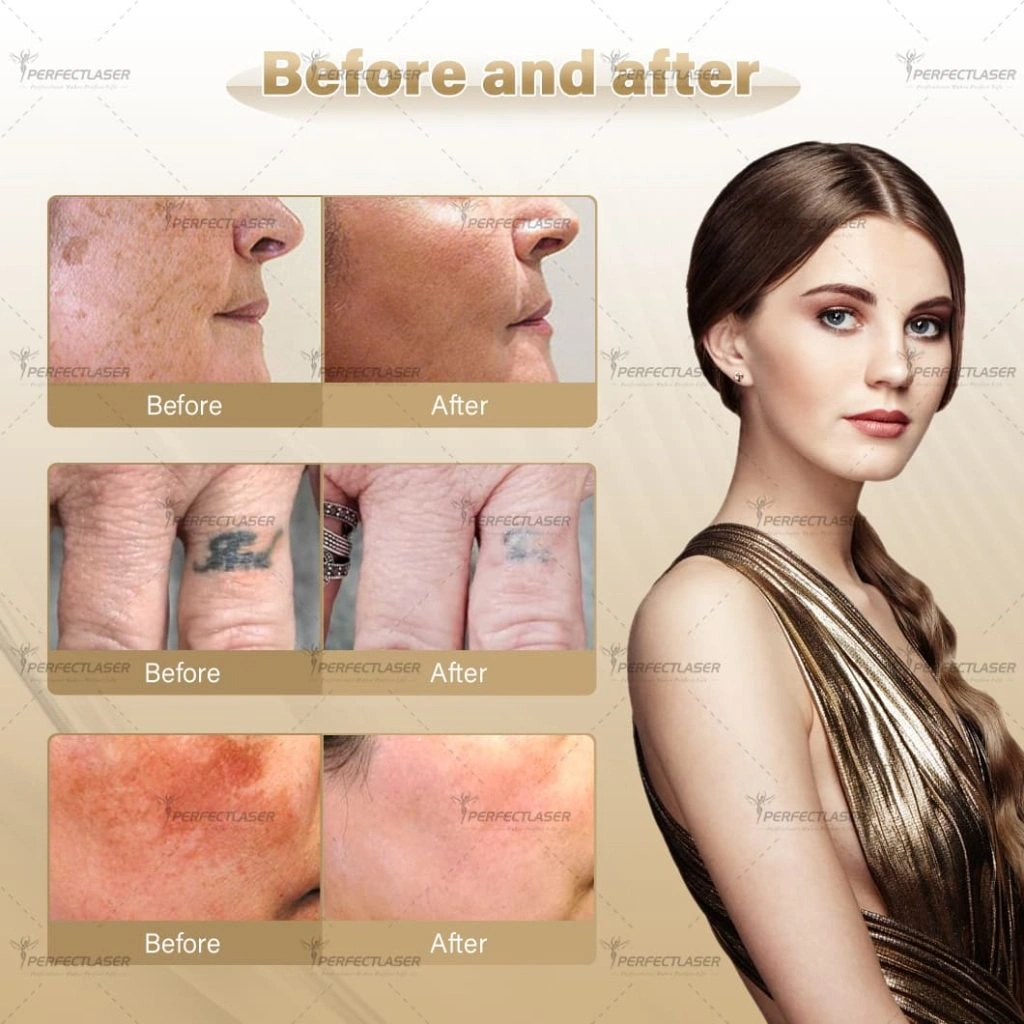
A burst of energy from the Nd:YAG laser shatters ink fragments into almost nothing. These small pieces move quickly through the lymph network, making it easier for the body to clear them out. Instead of just one color, the system fires off several – 532nm, 755nm, 1064nm, and 1320nm – all aimed at removing tattoos and unwanted stains. A burst of focused light comes through it. That beam breaks up tattoo ink into tiny fragments. Because of this, getting rid of the ink happens faster and works better.
Fewer trips usually come with clear results when using this method. After proper aftercare, every session builds slightly better than the last. A full ink fade often shows up just six times through the process.
Factors That Influence Tattoo Removal Results
Tattoo Characteristics That Affect Outcomes
Things linked to the tattoo itself influence how well Nd:YAG laser removal works. Think about things like
- Ink Color: Darker shades like black and blue take in the 1064nm wavelength better. Thus, they remove more easily. Brighter hues might need extra wavelengths or extended treatment times.
- Depth and Density: Professional tattoos go deeper into the skin. They also use more saturated ink than homemade ones. This makes them tougher to treat.
- Age of Tattoo: Tattoos from years ago often fade on their own. Their ink breaks down naturally. So, they usually respond better to treatment.
Understanding these pieces helps professionals define realistic targets for care plans and outcomes.
Individual Skin Response and Immune Function
One person’s body might respond one way, someone else’s another – this shapes how tattoo removal works out. Following a treatment, it is the immune system that steps in to remove those split-up ink particles. When someone’s body defends itself well, the ink tends to fade more rapidly between appointments.
Light skin might need gentler laser pulses. On the other hand, deeper tones often handle stronger beams without issue. Because of this, adjusting output for darker tones means using less power by default. That shift lowers chances of dark spots or burn reactions right from the start. Equipment such as the Beauty Salon Use 532nm 755nm 1064nm 1320nm Nd Yag Laser Machine Portable Tattoo Removal from Perfectlaser has an advantage when it comes to power levels. Instead of fixed settings, these devices deliver energy between 10 and 1000 millijoules. Because of this range, treatments can be tailored depending on how sensitive the patient’s skin is.
Session Frequency and Treatment Consistency
Time between sessions plays a key role. This pause gives tissues space to recover and the dye-clot to break down. Many clinics recommend spacing appointments at least 6 to 8 weeks apart. Healing starts here, as the skin begins to repair itself. Down below, immunity finds room to manage leftover ink bits.
Sticking to an everyday routine brings clearer outcomes. When sessions get pushed or canceled, progress often stalls. This could lead to uneven results, especially in how well the hair fades. One way to start: experts make custom routines. These need to look at what’s on the tattoo, how the skin reacts, also what each person wants to achieve.
Best Practices Before Starting Treatment
Preparing the Skin for Laser Sessions
Before each session, proper preparation helps keep things safe and increases how well the treatment works in Nd:YAG laser tattoo removal.
- Avoid Sun Exposure: Patients should steer clear of tanning or direct sunlight on the area for at least two weeks beforehand. Tanned skin raises the chance of burns or color shifts.
- Shave if Necessary: If hair hides the tattoo spot, shave it about 24 hours prior. This ensures clear laser access. It also prevents burning the hair.
Starting here makes sessions smoother without extra stress. Later on, healing finds fewer snags because of these steps.
Medical Considerations Prior to Treatment
Starting laser tattoo removal treatment, patients should inform about any medicines or health concerns affecting treatment outcomes.
- Blood Thinners: Drugs such as aspirin or warfarin heighten bruising or bleeding risks during sessions.
- Photosensitizing Agents: Certain antibiotics and skin products increase light sensitivity. This can worsen reactions to laser therapies.
Before anything begins, talking through everything with a trained expert matters most. Safety takes center stage during that conversation. A skilled practitioner helps make sure the Nd yag laser works better too.
Following these rules helps specialists achieve strong results using modern Nd:YAG systems. Because precision, safety, simplicity, and pace work together, the tech stands out in current skincare practices.
FAQ
Q: What is Nd:YAG Laser Tattoo Removal?
A: The Nd:YAG laser uses a 1064nm beam to treat tattoo ink. Deep within the skin, that light finds specific ink particles, breaking them down through controlled heating. Dark colors respond best when this process is applied. Still safe no matter your skin’s natural traits.
Q: How many sessions are needed for Nd:YAG Laser Tattoo Removal?
A: Fading often takes between six and twelve visits. What shapes that count? Tattoo dimensions matter. So does pigment shade. Deeper layers require more time. Each person’s body responds slightly differently too. People return for treatments roughly once every two months plus a few weeks.
 English
  Arabic
  Chinese
  Dutch
Dutch  French
  German
  Italian
  Portuguese
  Russian
  Spanish