
Introduction to CO2 Fractional Laser Technology
The Basics of Fractional CO2 Lasers
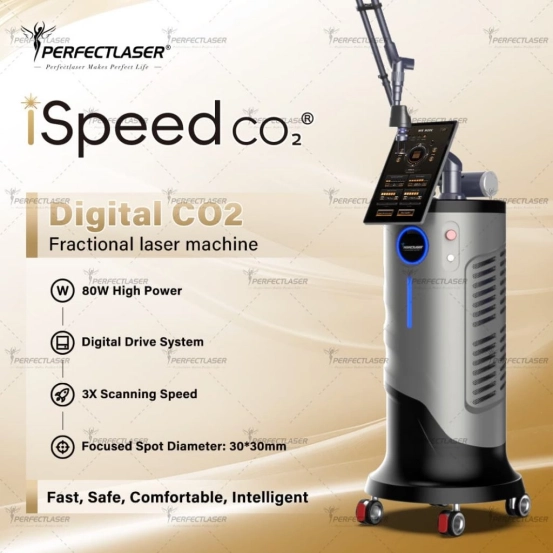
A CO2 fractional laser machine is a sophisticated medical and cosmetic tool. It employs carbon dioxide laser energy to refresh and renew the skin. The CO2 fractional laser is a well-liked and cutting-edge laser method applied in skin care and beauty medicine. Experts mainly use it for skin renewal, revitalization, and handling many skin issues. Unlike old continuous-wave CO2 lasers that remove the whole surface, fractional lasers split the beam into thousands of tiny beams. They treat just a portion of the skin each time. This method promotes quicker recovery with little downtime. That’s because untouched spots between the small heat areas speed up tissue repair.
Fractional CO2 lasers stand apart from older systems. They strike a good balance between effectiveness and security. These lasers send strong energy in managed patterns. They cut down on heat harm while still encouraging collagen rebuilding. As a result, they fit well for both removing and partly removing treatments on different skin problems.
Key Components of a CO2 Fractional Laser Machine
The main part of a CO2 fractional laser machine is its laser source. This source often uses an RF-excited tube to produce steady and robust light energy. LASER SOURCE RF Tube guarantees reliable output and a long working life. The released wavelength of 10,600 nm targets water particles in the skin well. It allows exact removal of harmed tissues.
Another vital part is the scanning system. This system manages how the laser beam touches the skin. The 7 Joint Imported Laser Arm offers flexibility and accuracy in treatment times. It helps spread energy evenly over aimed areas. Thus, it ensures consistent results and keeps patient safety in check.
Mechanism of Action in Skin Treatment
How CO2 Fractional Lasers Work on Skin
The CO2 fractional laser functions by making controlled small wounds on the skin’s top layer. These tiny columns of heat damage start natural healing reactions. They swap out old or hurt cells with fresh ones. At the same time, the laser energy removes or turns the outer skin layer into vapor. This clears away damaged or aged skin cells. It uncovers healthier, smoother, and younger-looking skin.
Microthermal zones (MTZs) are central to this process. They are small columns where tissue gets targeted by laser bursts. The nearby untouched tissue aids fast skin regrowth. So, recovery happens quicker than with full removal methods.
Biological Effects on Skin Tissue
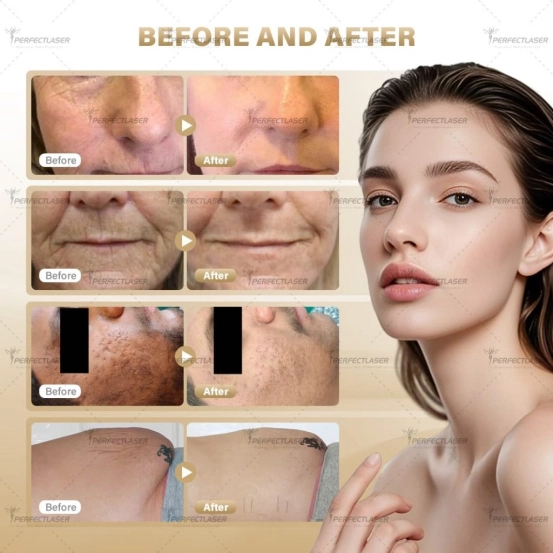
The body’s reaction after treatment boosts collagen creation and skin rebuilding. Collagen Stimulation: The managed small wounds from the laser energy spark collagen production. This key protein gives structure and support to the skin. As fresh collagen builds up over time, patients notice better stretch and strength.
Besides collagen boost, the treatment lessens color unevenness. It breaks down damaged melanin spots during renewal. This results in a more uniform tone and smoother feel in treated spots.
Clinical Applications and Benefits
Common Dermatological Uses
CO2 fractional lasers have turned into essential tools for skin doctors. They tackle a wide range of issues. Skin Resurfacing: CO2 fractional laser treatments work very well for skin renewal. They lessen wrinkles, fine lines, sun harm, age spots, and acne marks. Doctors also use them for surgical scars, stretch marks, and light damage.
Besides fixing problems, these machines help a lot in beauty refresh procedures. They aim to bring back youthful glow without surgery.
Advantages Over Other Laser Treatments
One big plus is exact aiming. Precision and Customization: CO2 fractional lasers send energy in a split pattern. This lets them hit specific spots without much impact on nearby tissues. When compared to non-removing lasers like erbium or diode ones, fractional CO2 tools reach deeper layers. They give stronger results in fewer visits.
Safety features like changeable pulse length (from 0.1 ms–100 ms) let users control depth and power based on patient needs. This boosts comfort and lowers risks.
Patient Experience and Recovery Process
What Patients Can Expect During Treatment
In a usual session with a CO2 fractional laser machine from Perfectlaser, patients start with skin cleaning. Then, they apply numbing cream to reduce unease. The operator uses a handpiece linked to a flexible arm. It sends quick light bursts over chosen areas. Each burst makes tiny channels. Yet, it leaves nearby tissue whole for faster renewal.
Pain differs but stays easy to handle. Modern devices have built-in cooling. Or, numbing agents used before help too.
Post-Treatment Care and Recovery Timeline
Downtime and Recovery: CO2 fractional laser treatments are more hands-on than other non-removing laser steps. After treatment, red skin and light swelling might appear. But they fade in a few days as new skin layers grow. Peeling usually starts between days three and seven. It depends on how strong the treatment was.
Patients must follow after-care skin routines closely. They should use mild cleaners, skin barrier creams, and full sun protection. This avoids issues like dark spots or infections. Full healing takes about two weeks on average.
Selecting the Right CO2 Fractional Laser for Your Clinic
Factors to Consider When Choosing a Machine
When picking gear for clinic work, tech details matter a lot for results. Settings like wavelength (10,600 nm), pulse time range (0.1–100 ms), spot size (up to 20×20 mm), and total power (60–100 W) influence how deep it goes and how well it removes.
Also, focus on machine flexibility. Systems with adjustable modes let doctors handle various issues safely on different skin types. They improve patient happiness with custom plans.
Evaluating Cost vs. Return on Investment (ROI)
Upfront costs might look steep next to non-removing options. Yet, long-term gains make it worth it. Patient interest grows for clear anti-aging effects that need fewer visits. Clinics gain from better fame. That’s due to steady results from trusted tech with CE/FDA approvals in pro models.
Addressing Common Concerns and Misconceptions
Safety Concerns with CO2 Fractional Lasers
Possible side effects cover short-term redness or puffiness. However, right setting tweaks cut risks a lot. Sticking to suggested after-care stops extra infections or color shifts. This ensures safe healing even after strong renewal when experts do it.
Suitability for Different Skin Types
Older removing lasers posed more dangers for darker skin tones. That’s because of how melanin takes in heat differently. But new fractional setups allow safer use on wider skin types. They do this with adjustable energy levels that limit extra heat spread past aimed areas.
Future Trends in CO2 Fractional Laser Technology
Innovations Shaping the Future
New developments keep improving exact delivery ways. AI-guided scanners can map skin unevenness live before starting. This boosts evenness and cuts over-treatment chances from old hand-set methods.
Also, mixed systems combine several wavelengths in one unit. They widen treatment options past just renewal. Now, they cover scar fixes or blood vessel work in one go.
Integration with Other Dermatological Treatments
Mixing therapies is a rising area. Doctors blend methods like needle RF or light pulse treatments with fractional removal steps. They do this one after the other. It improves results together without adding much downtime. This builds full refresh plans that fit each person’s skin issue in daily beauty work around the world.
FAQ
Q: What is CO2 fractional laser technology?
A: CO2 fractional laser technology is an advanced method that uses carbon dioxide lasers to treat skin by creating tiny treatment zones. It promotes healing and collagen production for smoother skin, making it ideal for resurfacing and rejuvenation in clinics using top medical CO2 laser machines from Perfectlaser.
Q: How do top medical CO2 laser machines benefit skin resurfacing?
A: Top medical CO2 laser machines offer precise energy delivery for effective skin resurfacing. They reduce wrinkles, scars, and pigmentation with minimal downtime. These devices from Perfectlaser ensure safe, customizable treatments for various skin types.
Q: Is CO2 fractional laser technology safe for all skin tones?
A: Yes, modern CO2 fractional laser technology is safer for diverse skin tones due to adjustable settings. It minimizes risks like pigmentation changes. When used in top medical CO2 laser machines from Perfectlaser, it provides even results with proper care.
 English
  Arabic
  Chinese
  Dutch
Dutch  French
  German
  Italian
  Portuguese
  Russian
  Spanish