
Short answer: alexandrite laser hair removal hurts — somewhere between a rubber band snap and a hot pinprick, depending on the area — but the pain is brief, predictable and very manageable with the right tools. Large flat zones with a good cooling handpiece feel like mild discomfort to most clients; the sensitive map — upper lip, bikini line, skin stretched over bone — delivers the sharp moments. Cooling systems, numbing cream where your region and clinic rules allow it, and sensible energy settings turn “will it hurt?” into “which zone are we doing next?”
Almost every client asks the pain question in the consultation, and almost every review thread answers it with both extremes: “didn’t hurt at all” next to “9 out of 10.” Both writers are honest, and the gap between them is not mystery — it is anatomy, settings and preparation. This guide maps where it hurts, why it hurts there, and exactly what a clinic can do about it, so you walk into the session with a plan instead of a dread. And for clinic owners, the same content is a retention lesson: pain management is not a courtesy, it is the difference between a client who finishes the course and one who quits at session two.
Why It Hurts: The Same Mechanism That Makes It Work
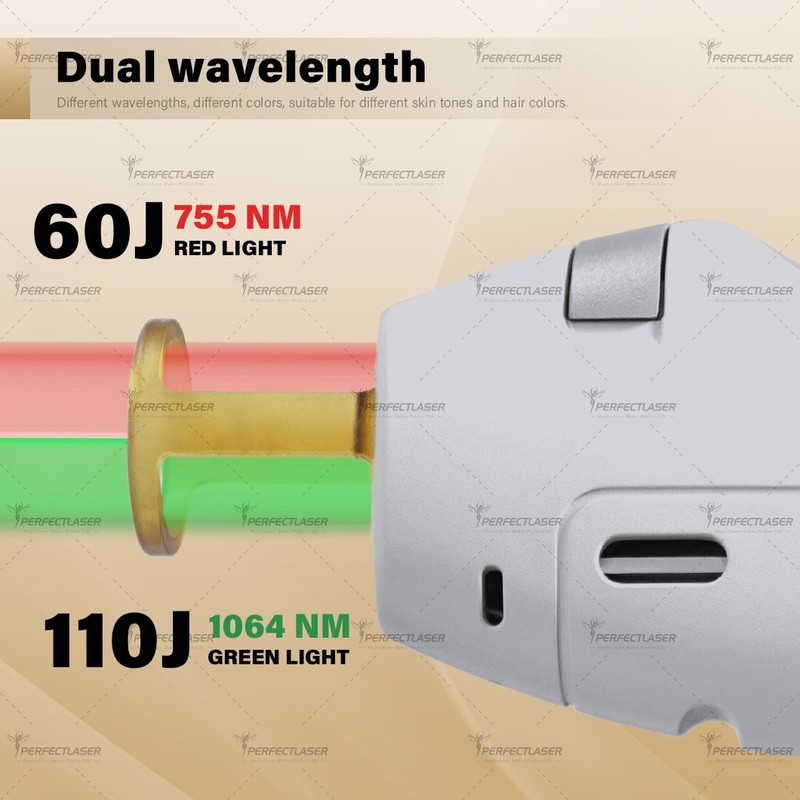
The discomfort is not a design flaw — it is the physics working. The 755nm pulse is absorbed by melanin and converted to heat inside the follicle, and the skin’s nerve endings near that heat register it as a sharp warmth. Two factors decide how sharp. The first is the area: skin that is tight over bone or thin — the upper lip, the jawline, the bikini line, the underarms — sits closer to both the follicle and the nerve, and clients consistently rate these zones higher on the pain scale than the calves or thighs, where tissue absorbs and softens the sensation. The second is the energy: higher settings reach deeper and treat more effectively, and they sting proportionally. Everything else — cooling, numbing, pacing — is the clinic’s job of managing those two facts rather than pretending they do not exist.
The Sensitive Map: Expecting the Sharp Zones
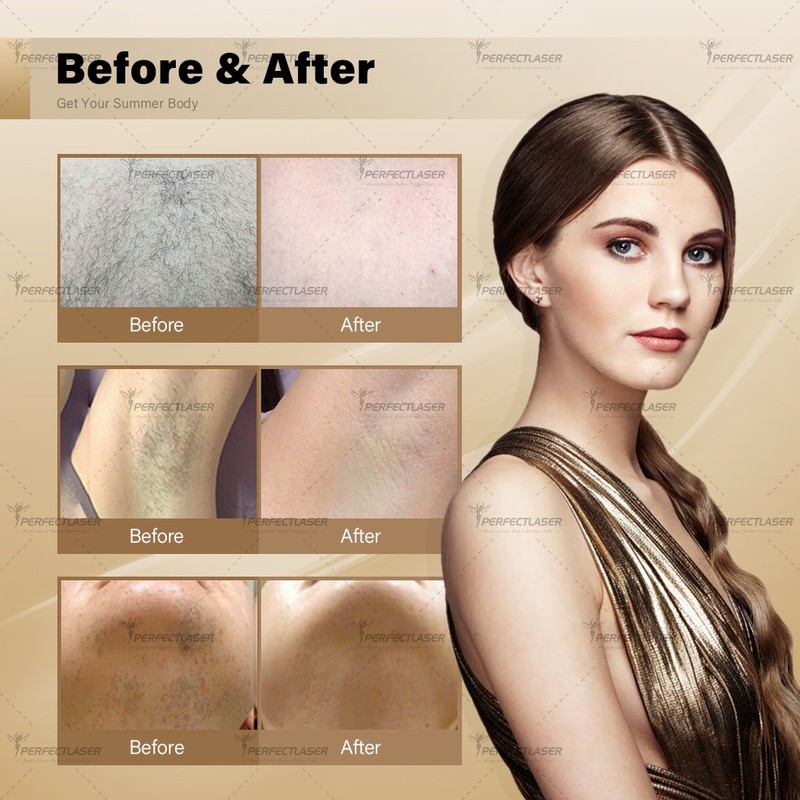
Pain expectations should be set zone by zone, because the map is consistent enough to predict. Large flat areas — legs, arms, back — are the easy end of the spectrum: a rhythmic warm snapping that most clients tolerate easily, especially with a chilled handpiece window doing its job. The middle zone — stomach, forearms, thighs at higher settings — reads as a firm sting with each pulse. The sharp end is the map of thin skin over bone and high nerve density: upper lip, chin, bikini line, underarms, and the bony edges of the shin. Clients who rate sessions 8 or 9 out of 10 are almost always describing these zones at higher energies, and the same clients often add the detail that matters most: each pulse lasts a fraction of a second, and the whole sharp zone is over in minutes. Brief and predictable is a very different experience from prolonged and uncertain — which is why preparation changes the rating more than any anesthetic.
Cooling: The First Line of Defense
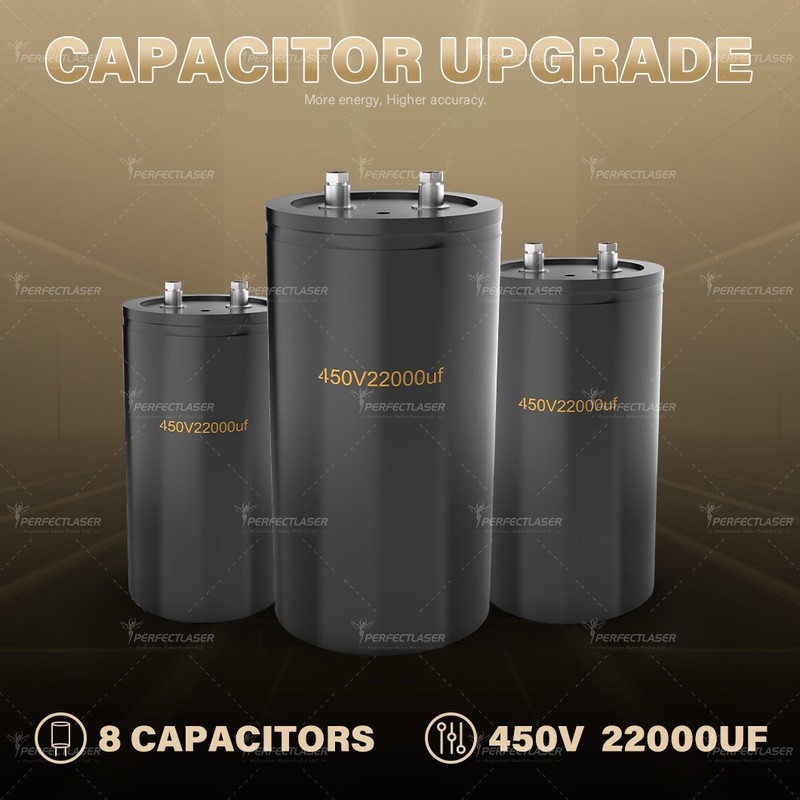
Modern alexandrite machines manage comfort at the source with cooling, and the details are worth understanding before you judge a clinic or a machine. A chilled handpiece window cools the skin surface before and during each pulse, which does two jobs at once: it protects the epidermis from the heat the treatment creates, and it numbs the nerve endings just long enough to blunt the snap. Machines with stronger cooling systems let operators treat at effective energies with less discomfort — which is why the cooling specification deserves attention in any purchase conversation, and why clinics with good cooling finish sessions clients actually complete. If you are comparing machines, ask about the cooling design rather than the brochure adjectives: how the surface is cooled, whether the contact is continuous across the treatment area, and how the system performs during a long session on a hot afternoon. Cooling that fails mid-diary is cooling that costs you clients. Ask الليزر المثالي or any shortlist supplier to put the cooling specification — contact method, continuous performance and service intervals — in writing with the quotation.
Numbing Cream: When It Helps, and the Rules Around It
For the sharp zones, numbing cream is the second line of defense — applied under occlusion for a set time before the session, it dulls the surface nerves and can turn an 8-rated zone into a tolerable one. The honest caveats matter as much as the benefits. Numbing cream must be used under clinical guidance: application time, occlusion and dosage all affect both comfort and safety, and the rules around who may apply it vary — some US states restrict anesthetic use to certain practitioners or settings, and regulations differ elsewhere. Ask your clinic what its protocol is and which products it uses; a clinic that applies numbing cream as a routine part of sharp-zone treatments is managing your experience properly, and a clinic that refuses to discuss it should explain why. Clients can also help on their side: arrive with clean skin, skip self-tanning, and tell the operator about any sensitivity before the first pulse rather than during it.
The Owner’s View: Pain Management Is Client Retention
For clinic owners, the pain conversation is a business metric wearing a clinical costume. A client who rates the first session as tolerable finishes the course, rebooks maintenance, refers friends and leaves reviews; a client who rates it as unbearable quits at session two, and the lost revenue is the course value plus the referrals that never happened. Three habits protect the retention number. Set the expectation zone by zone before the first pulse, so the sharp areas arrive announced rather than surprising. Use the tools — cooling, numbing where allowed, energy pacing — as a routine protocol, not a favor. And check in between sessions: a five-minute follow-up message asking how the recovery went builds the trust that carries clients through the uncomfortable middle sessions of any course. Pain management is not the soft side of the business; it is the retention engine, and it costs nothing but a script and a protocol. The machines that make it easiest — strong cooling, sensible settings ranges, good training — are the ones worth comparing when you buy, and Perfectlaser’s operator training builds the zone-by-zone expectation script into its course curriculum.
The Pain Scale in Context: What “8 Out of 10” Really Means Here
Review threads quote pain scores without their context, and the scores mislead on their own. An “8 out of 10” for a laser pulse means something specific: a fraction-of-a-second sharp heat, repeated in rhythm, concentrated in a small sensitive zone for a few minutes — not a sustained pain that prevents functioning. The same client who rates the upper lip an 8 will often rate the calves a 2 and then book the next session anyway, because the context makes the score tolerable. Clinics can help clients read the scale by rating zones honestly in advance: “this one is usually a 6 to 7 for most people, it lasts about three minutes, and we can pause whenever you need.” Clients who arrive with that map rate their experience lower and complete their courses more reliably — which is the practical point behind every statistic in this article. Pain scores are communication tools, not verdicts, and the clinic that teaches its clients how to read them is the clinic whose reviews mention finishing the course.
أسئلة متكررة
1. Does alexandrite laser hair removal hurt?
Yes, but predictably: a warm snapping sensation that reads as mild on large flat areas and sharp on sensitive zones like the upper lip and bikini line. Each pulse lasts a fraction of a second, and the sharp zones pass in minutes — preparation matters more than the pain itself.
2. Which areas hurt most with alexandrite laser?
The sensitive map runs where skin is thin over bone or nerve density is high: upper lip, chin, bikini line, underarms and the shin edges. Large flat zones — legs, arms, back — rate far lower for most clients, especially with a good cooling handpiece.
3. Does numbing cream work for laser hair removal?
Yes, for the sharp zones — applied under clinical guidance and occlusion, it dulls the surface nerves and can meaningfully lower the discomfort rating. Rules on who may apply anesthetic vary by state and country, so ask the clinic about its protocol rather than self-medicating.
4. How much does the cooling system help?
A chilled handpiece window cools the skin before and during each pulse, protecting the surface and blunting the nerve response — strong cooling is why some clinics complete sessions clients rate as comfortable. If you are buying a machine, the cooling design deserves as much attention as the wavelength.
5. Can I do anything to make sessions less painful?
Arrive with clean, untanned skin; skip self-tanning and irritating skincare beforehand; tell the operator about sensitive zones and any medication; and schedule sharp-zone work when you are rested. Between the clinic’s cooling protocol, numbing where allowed and your preparation, most clients find the session very manageable.
When you are ready to compare machines, keep the cooling specification of the آلة إزالة الشعر بالليزر الإسكندرية range in front of you — it is the spec your clients will feel. Perfectlaser’s sales team can walk you through how cooling design and training shape the client experience — and how the same machines compare on price and monthly revenue when you are ready for the business conversation.
 English
  Arabic
  Chinese
  Dutch
Dutch  French
  German
  Italian
  Portuguese
  Russian
  Spanish