
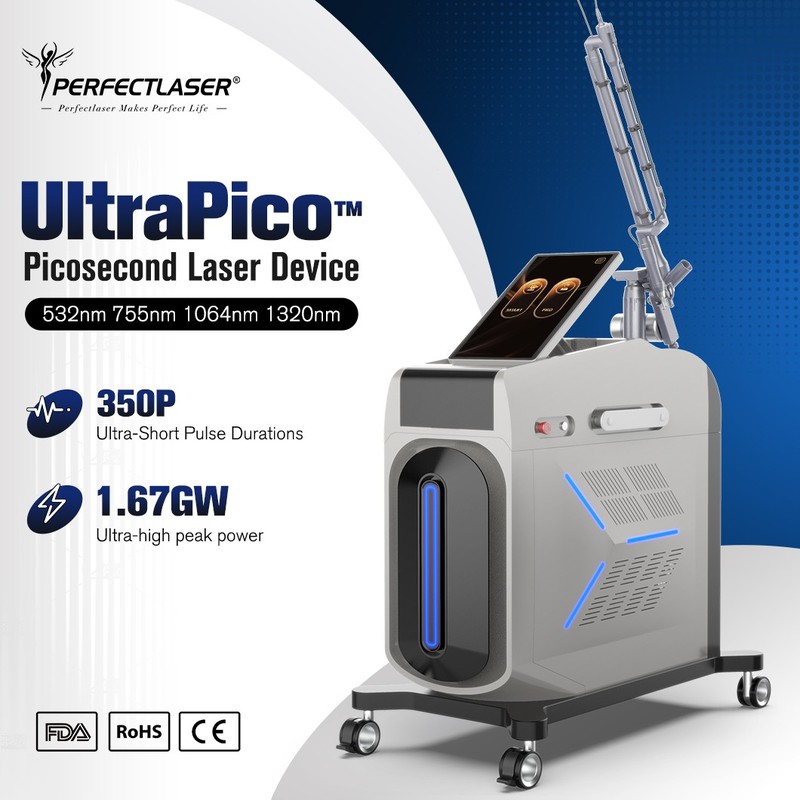
Short answer: a used آلة إزالة الوشم بالليزر Picosecond can be a genuine bargain or a disguised rental bill — the difference is in the component clock, the service history and the support that comes with the machine. Buy the history before you buy the hardware, and price the total cost of ownership, not the sticker.
“New vs used” sounds like a budget question, and it is — but not in the way the price tags suggest. A used machine’s real cost includes what remains of its component life, whether its service history can be verified, and whether the original manufacturer will still support a machine that changed hands. A new machine’s real cost is higher up front and predictable afterward. This guide puts both on the same spreadsheet: the hidden costs of second-hand buying, the questions that separate a good used machine from a farewell gift, and the math that tells you which route actually fits your budget.
The Hidden Costs Nobody Lists on the Used Listing
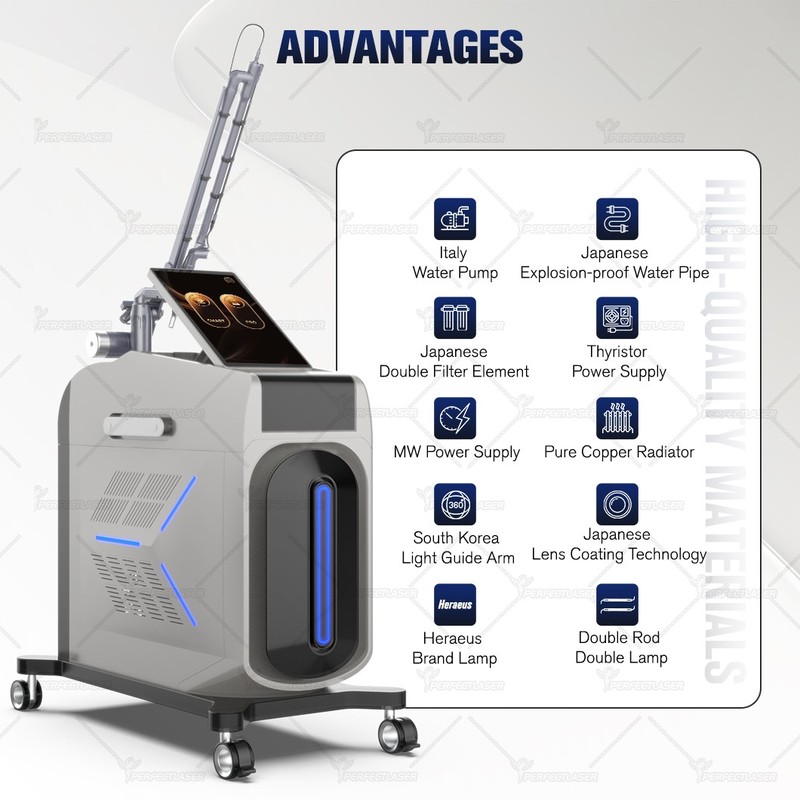
Used listings quote a price and hide the rest, and the rest is the story. Component life leads the list: a machine whose handpiece is near its rated pulse count needs a replacement soon, and the replacement can cost a meaningful share of what the machine cost. Service history follows: without documented counts, cleaning records and maintenance logs, you are buying a machine with an unreadable clock. Shipping and insurance for a heavy used unit, installation and commissioning by someone qualified, firmware that may be outdated, and the absence of warranty — unless the seller offers one, most used sales are as-is, and as-is means the risk transfers with the serial number. Add the cost of bringing the machine up to standard and the used bargain often lands within reach of a new machine’s price — which is exactly the comparison the listing never shows.
The Five Questions for Every Used Listing
| # | Question | Why it matters |
|---|---|---|
| 1 | Why is the machine for sale? | Clinic upgrading is healthy; “no reason” is not |
| 2 | What is the documented component life remaining? | Pulse counts decide your first-year costs |
| 3 | Can I see the service and session logs? | Unlogged machines have unreadable clocks |
| 4 | Does the original manufacturer still support this model? | Parts and firmware decide its future |
| 5 | Is there any warranty or right of inspection? | As-is transfers all risk to you |
Work the five questions in order and most used listings answer themselves. A clinic selling because it upgraded to a newer platform, with logs and remaining component life documented, is a real opportunity; a listing that cannot produce the logs, cannot name the reason and offers no inspection window is a warning with a price tag.
When Used Genuinely Makes Sense
Used makes sense in specific, nameable situations — and naming them keeps the decision honest. It makes sense when the machine comes from a known clinic with verifiable logs, when the component life remaining is documented and priced into the deal, when the model is still supported by its manufacturer with parts and firmware, and when a qualified technician can inspect it before payment. It makes sense for an experienced operator who can evaluate the hardware, arrange commissioning and absorb an as-is risk that a first-time buyer should not carry. And it makes sense when the price gap to new is wide enough to fund the first component replacement and still save money. Outside those conditions, the used machine is not a bargain; it is a second job with a handle.
When the Difference Is Not Worth It
The other side of the ledger deserves equal time. The new machine’s premium buys predictability: full component life, current firmware, a warranty with a claims route, training tied to the current settings documentation, and a supplier whose support obligation starts with your purchase rather than ending with someone else’s. For a first-time buyer, that predictability is not a luxury — it is the difference between learning the business on a supported machine and learning it while troubleshooting someone else’s maintenance history. For a one-machine clinic, an idle week while a used machine waits for parts or commissioning costs more than the price gap. Run the total-cost comparison with the component clock, the commissioning and the risk priced in, and the machine that looks more expensive on the listing often turns out to be the cheaper one on the ledger.
The Total-Cost-of-Ownership Comparison
Put both routes on one spreadsheet and the decision stops being emotional. Start with the purchase price, add the first-year costs each route carries: for the used machine, freight, commissioning, any component replacement the inspection reveals, firmware updates and the value of your inspection and risk time; for the new machine, the full price with warranty, training and support included or itemized. Then project three years at your realistic session volume, because a machine that needs a handpiece at month four tells a different story at low volume than at high volume. The honest comparison usually finds that used wins for experienced operators buying supported models with documented life, and new wins for first-time buyers and one-machine clinics — and the buyers who run the spreadsheet before the purchase are the ones who do not need this article’s advice twice.
The Inspection Checklist Before You Pay
Inspection is where used-machine deals are won or lost, and the checklist is shorter than buyers expect. Physically verify the serial number against the listing and any documentation, and power the unit on — a machine that cannot be demonstrated is a machine that is not for sale in good faith. Check the handpiece and optics for damage and wear, run the cooling system long enough to see it behave, and confirm the firmware version against what the manufacturer currently supports. Request the service and session logs and spot-check them against the claimed usage, and if the machine is in another city, pay for a qualified technician to inspect it rather than trusting photographs. Then put the findings in writing with the seller and price the inspection results into the offer — the inspection that finds a problem before payment is the inspection that paid for itself a hundred times over.
Negotiating the Used Deal Like a Professional
Once the inspection passes, negotiation runs on the findings rather than the listing. Component life remaining is a discount line: if the handpiece is sixty percent consumed, price the replacement and subtract its share. Commissioning is a discount line: a machine that needs shipping, installation and firmware work carries costs the seller’s price should reflect. Absence of warranty is a discount line, and so is the risk you absorb on an as-is machine — name it politely and let the seller respond. Ask for the documentation pack to transfer with the machine, offer a staged payment tied to demonstration and delivery, and get the agreed condition in writing. Professional used-buyers do not haggle for sport; they negotiate the lines the listing left blank, and the seller who respects those lines is usually the seller worth dealing with.
أسئلة متكررة
1. Is buying a used picosecond laser machine a good idea?
Sometimes — when the machine comes from a known clinic with verifiable logs, has documented component life remaining, is still supported by its manufacturer and can be inspected before payment. Otherwise the hidden costs — replacement parts, commissioning, risk — can close the gap to a new machine.
2. What hidden costs come with a used machine?
Component life near its end, unverifiable service history, shipping and commissioning, outdated firmware, and the absence of warranty — most used sales are as-is. Price the total cost of ownership, not the listing price, before calling it a bargain.
3. How do I check a used machine’s history?
Ask for the session logs, service records and remaining component life in writing, and ask the original manufacturer whether the model is still supported with parts and firmware. A machine with logs and remaining life documented is a real opportunity; one without them is a risk with a serial number.
4. Should a first-time buyer buy used?
Usually not — the new machine’s premium buys predictability: full component life, warranty with a claims route, current documentation and training tied to it. A first-time buyer learning the business does not need someone else’s maintenance history as a study aid.
5. What is a fair price for a used machine?
Work backwards from replacement value: subtract the cost of remaining component life that you will replace, commissioning, any firmware or service work the inspection reveals, and a discount for the absent warranty. If the result is not clearly cheaper than new after three years of projected costs, the fair price is new.
Before you commit to a used listing, get the new-machine baseline it must beat: ask الليزر المثالي for the itemized quotation for the Picosecond Laser Tattoo Removal Machine range — full component life, warranty, training and support terms included — then run the three-year comparison with the used machine’s hidden costs and let the spreadsheet, not the listing, make the call.
 English
  Arabic
  Chinese
  Dutch
Dutch  French
  German
  Italian
  Portuguese
  Russian
  Spanish