
Short answer: a picosecond course is not a straight line, and the honest way to describe it is as a sequence in which the first sessions establish how your particular pigment responds. Session one is assessment plus a conservative start, session two is where the pattern usually becomes visible, and session three is when a realistic course can be planned with evidence rather than hope.
People book removal with a mental picture of a countdown, and clinics that feed that picture create problems for themselves. The truth is more useful: the first three sessions are a measurement exercise as much as a treatment, and what changes across them is not only the tattoo but how confidently anyone can describe what remains. A Pico Laser Tattoo Removal Machine fragments pigment in a way that the body then clears over weeks, so responses arrive on a delay and vary between clients, pigments and treatment areas. This guide walks the first three sessions in plain terms, explains what typically changes at each stage, and sets out why some clients need more visits than others. It describes tendencies rather than promises, because the pigment and the individual decide the outcome.

What a Session Actually Involves
A treatment session is shorter and more procedural than most first-time clients expect. It begins with a review of the area and the plan, moves through preparation and, where the protocol requires it, a patch test, and then proceeds in passes over the tattoo with the settings chosen for its pigment and the client’s skin. Once the area has been worked, the client is cleaned up, given aftercare instructions and reminded of the interval before the next visit. The visible change at this point is usually swelling, redness and a slight frosting or whitening where the pigment sits — normal responses that the aftercare sheet should describe so nobody is alarmed by them. The real work is invisible: the picosecond energy has broken pigment into fragments, and the clearing that follows is what the next weeks reveal. Understanding that delay is the single most useful thing a client can take from the first appointment.
Immediately After Session One
Session one is deliberately conservative. The clinic is establishing how the skin tolerates the treatment, how the pigment responds, and whether any part of the plan needs adjusting — which is why the first visit often covers part of the tattoo rather than all of it. Over the following days, clients see the expected healing sequence: redness and tenderness settling, the area feeling like a light graze, and the frosted appearance resolving. What they should not expect at this stage is a dramatic change in the ink, because the pigment fragments are still being cleared. Providers who explain the delay before the client leaves are describing the process accurately rather than managing disappointment, and the clients who were told this are the ones who arrive at the second appointment with reasonable expectations intact.
Session Two: What Usually Changes
By the second session, the first response has had time to show, and the appointment becomes more informative for everyone. The provider can compare the treated area with what the assessment predicted, adjust the settings accordingly, and begin working the tattoo more completely if the skin tolerated the first pass. Clients commonly notice that part of the piece looks lighter or that some lines appear less dense, and they often notice that one colour has moved while another has not — usually because those pigments sit in different absorption families. This is the stage where a realistic course begins to take shape, and where the discussion should shift from “how many sessions” to “what we expect the next few visits to change and what may remain”.

Session Three and Beyond: The Planning Range
By the third session there is enough evidence to plan rather than estimate. Providers can describe the course as a planning range informed by how the pigment has responded so far, which areas need more attention, and how the skin has healed between visits. Some tattoos are substantially lighter by this point; others have moved in some areas and barely in others, which is normal and usually traceable to pigment family, depth or layering. The pace of further sessions is set by the skin’s recovery rather than by the calendar, because treating an area before it has settled does not accelerate the result. Beyond this stage the visits typically follow a similar rhythm with gradually diminishing returns on each pass, which is why providers describe finishing work rather than counting visits.
Why Schedules Vary Between Clients
The variables are stable enough to name even though the outcomes are individual. Pigment family matters most: dark ink generally responds more predictably than greens and light cosmetic tones. Depth and application matter, since professional work applied in dense layers behaves differently from amateur ink or a single fine line. The client’s own biology matters — how quickly the body clears the fragmented pigment, and how the skin heals between sessions. Treatment area matters, because skin on the ankle, ribcage or foot behaves differently from skin on the forearm or shoulder. Medication, smoking and sun exposure all influence healing. None of these variables gives a provider a precise forecast, and a clinic that offers one before assessing the client is guessing with confidence.
Setting Expectations at Each Stage
The consultation sheet should say what each stage is for, and the wording should stay inside what the process can honestly deliver. Session one establishes tolerance and response; session two reveals the pattern; session three allows a realistic course to be described. Aftercare and interval discipline belong to every stage, because the clearing happens between appointments and the client’s behaviour between visits is part of the treatment. Interval photography, taken with consent at each visit, gives both sides an honest reference that memory cannot supply, and it is the most reliable way for a client to see progress on the slower pieces. Where a course is running longer than expected, the review conversation should happen at the interval rather than as a surprise at the end.
| Stage | What the visit is for | What to expect afterwards |
|---|---|---|
| Session one | Assessment, patch test where required, conservative start on part of the area | Redness and tenderness settling; ink change is not yet the point |
| Between one and two | Healing and the body’s clearing process | Gradual lightening in treated areas; some colours may not move yet |
| Session two | Compare response with the assessment; widen the work if tolerated | More visible change; the pattern of which pigments respond emerges |
| Session three | Plan the course from evidence; address stubborn areas | A realistic planning range can be described and refined |
| Later sessions | Finishing work and diminishing returns per pass | Steady, slower change; intervals set by skin recovery |
Reading Progress Without Misreading It
Progress is easiest to judge against your own earlier state and hardest to judge against someone else’s timeline. Two habits help. The first is interval photography: the same position, the same lighting and the same distance at each visit, taken with consent, so the comparison is between images rather than between memories. Clients who photograph consistently usually see change they would otherwise have argued away, especially on slower pigments where the movement between sessions is gradual. The second is to judge in the weeks after a session rather than on the day, because the visible response arrives on the clearing delay rather than immediately. The comparison that causes trouble is the online one — a stranger’s four-session result on a different pigment, different depth and different skin — and it is worth saying plainly that such comparisons describe someone else’s case. Where genuine concern exists, it belongs with the provider who holds your record and can review the area in person rather than in a comment thread.
أسئلة متكررة
1. Will my tattoo be gone after one session?
No — a session fragments pigment, and the body clears it over the weeks that follow. The first visits are also the point at which the response is measured, so providers describe the course as a planning range rather than a fixed number of appointments.
2. Why does my tattoo look different in different places?
Different pigments absorb different wavelengths, and layering varies across a piece. It is common for one colour to fade noticeably while another moves slowly, which is a pigment characteristic rather than a sign that something has gone wrong.
3. How long should I wait between sessions?
The interval is set by how your skin heals and how the pigment clears, and your provider will specify it for your case. Treating an area before it has settled does not accelerate the result, so the schedule follows recovery rather than the calendar.
4. Can I speed up the process?
You can support it: follow the aftercare instructions, protect the area from sun exposure, and attend at the intervals you were given. Beyond that, the pace is set by your pigment and your own clearing response, and no responsible provider will compress it artificially.
5. What should I do if a session hurts more than expected?
Raise it with your provider rather than enduring it silently, because comfort management is part of the protocol. Techniques and cooling differ between clinics, and your feedback helps them adjust the approach for your next visit.
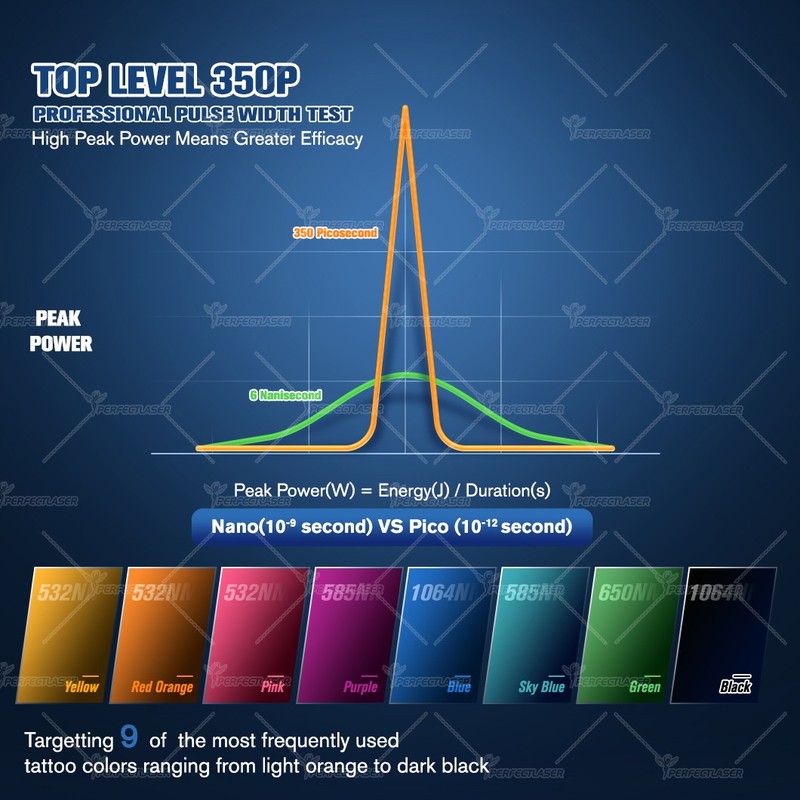
If your clinic is planning the sessions rather than counting them, they should be able to show you the settings guidance behind the schedule — the الليزر المثالي documentation for the UltraPico platform is written for exactly that conversation, so the Pico Laser Tattoo Removal Machine in the room is explained to you in the same terms it is operated in.
 English
 Arabic
 Chinese
 Dutch
 French
 German
 Italian
 Portuguese
 Russian
 Spanish