
“Before we open the price sheet, send the FDA clearance number for this model.” A compliance officer wrote that in an email that reached us on Monday morning, and it is a fair request. It is also the point where a lot of supply conversations quietly fall apart, because the officer is asking for a document that has an owner, a scope and a date — not a phrase a salesperson can say out loud. On a thulium laser machine purchase, what you receive is a folder. What matters is who signed each page and whether the model on the page is the model in the crate.
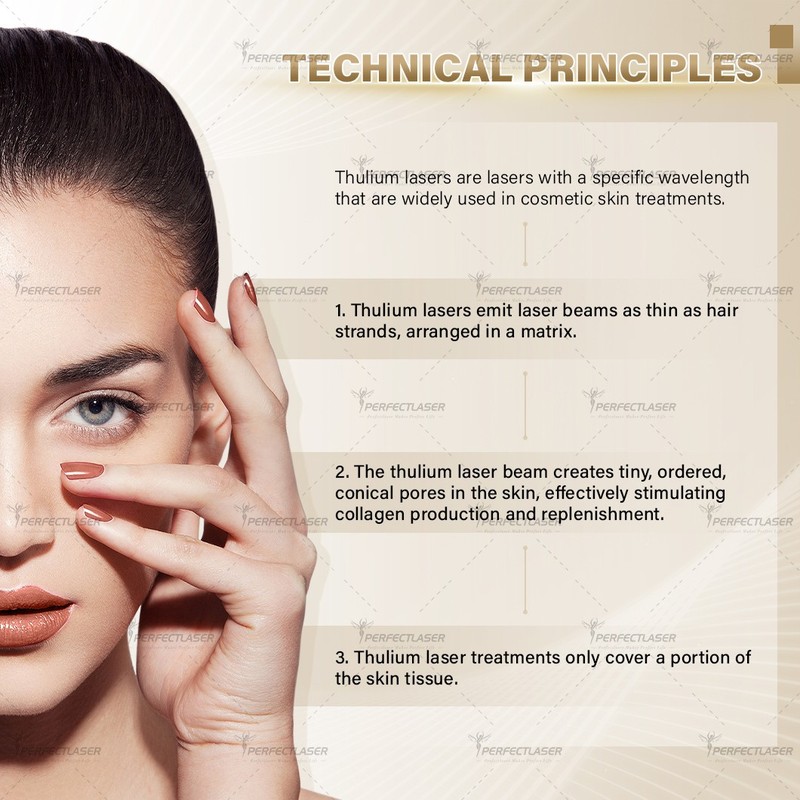
What the Question Is Actually Asking
Three different things hide inside “do you have FDA and CE”. The first is market access — may this device be placed on the market in my country. The second is product safety evidence — has this design been tested to electrical and EMC standards. The third is traceability — can I connect the certificate to my serial number if an inspector asks. A supplier can answer yes to the second and third and still not be the legal holder for the first, and confusing the two is how buyers end up with paperwork that looks impressive in a tender file and useless in a customs hold.
State this plainly at the start of the deal: the exporting factory provides test evidence and a declaration it signs; the market-access registration is held by whoever registers the device in your jurisdiction, and that entity may be you.
Which Documents Exist, and Who Signs Each One
Electrical safety and EMC reports come from a testing laboratory, not from us. They carry a standard reference, a model designation, a test date and an accreditation mark. Ask for the report body, not the cover page. A Declaration of Conformity is issued and signed by the manufacturer, and it is only as good as the reports listed inside it — every standard cited there should have a matching report behind it, in the same name and for the same model variant.
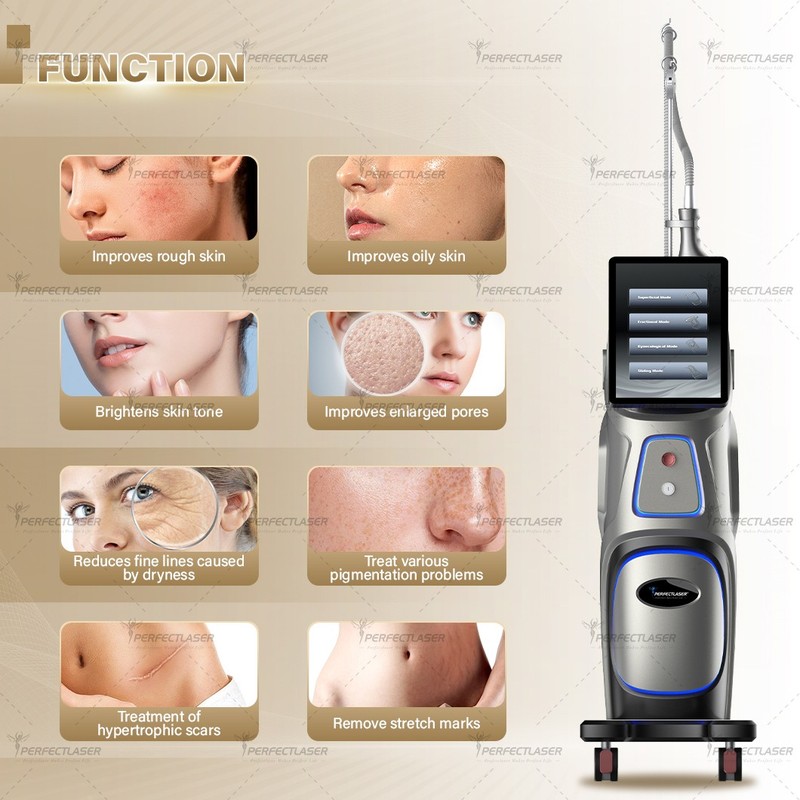
Step back and the folder describes one thulium laser machine build: the safety file, the EMC file, the declaration that binds them, and the registration papers for the entity that puts it on the market. Registration evidence is jurisdiction-specific. In the United States the relevant mechanisms include establishment registration and device listing for the exporting entity, and premarket clearance where the classification requires it; clearance, when it exists, belongs to a named holder and covers a named device. In the European Union, the applicable route depends on the device class, and for higher classes a notified body certificate is issued to the manufacturer. A Chinese supplier can hand over test reports, a signed declaration, and proof of its own registrations. No supplier can hand you someone else’s clearance and make it yours. Anyone who says “FDA approved” on a call has told you something worth verifying rather than repeating.
Five Checks Buyers Skip
Match the model and serial to the unit. Reports list a model designation; compare it letter by letter with the label on the machine and the commercial invoice. Check the report date against the design you are buying — an older report can describe an older power supply.
Confirm the laboratory’s accreditation covers the test performed, not merely that the lab exists. Read the signatory block on the declaration: a name, a title, a company and a date. Confirm the voltage and plug variant you ordered is inside the tested configuration, since a 110V build and a 220V build are not automatically the same file. Finally, ask for the folder in your company’s name where the supplier can do that, so the documents sit in your quality system rather than in a sales thread.
An Audit Where the Paperwork Did Not Match the Floor
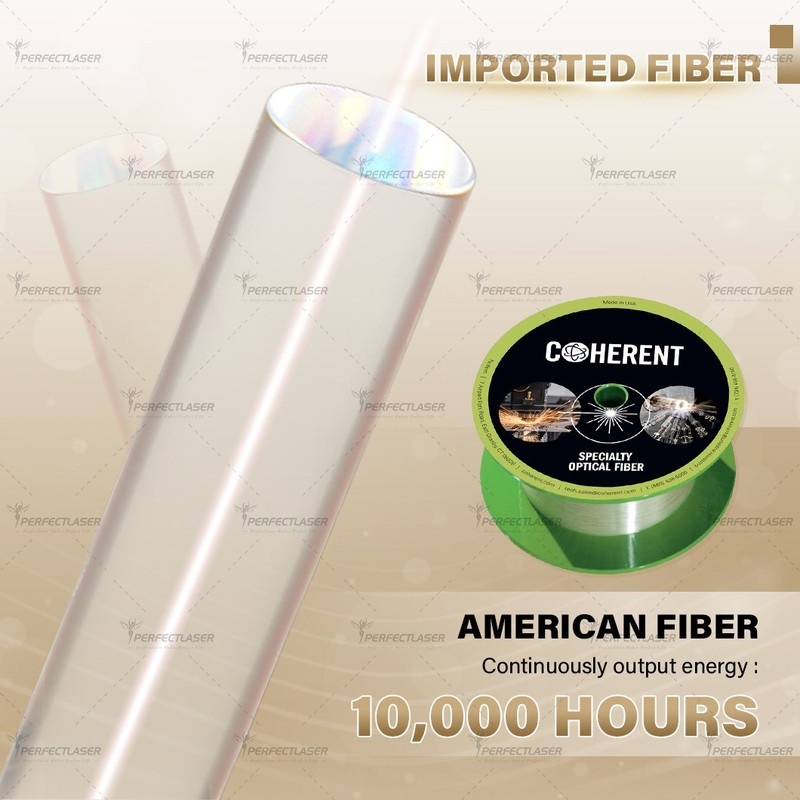
During a factory audit last month, the buyer’s engineer did something simple. He carried the EMC report to the machine on the floor and read the model code on the report against the label on the rear panel. They differed by a suffix. Nothing sinister was happening — the report covered the base configuration and the unit had a different handpiece option — but the buyer now needed an amended declaration before shipping. The supplier produced it in two days. The audit still cost a week of schedule.
Do that check on any thulium laser machine before you transfer money, not after. Ask for the folder early, read the second page of every report, and keep a copy of what you approved so the next shipment can be compared against it. Perfectláser assembles the safety, EMC and declaration documents for each configuration we ship, and we expect buyers to check them line by line.
 English
 Arabic
 Chinese
 Dutch
 French
 German
 Italian
 Portuguese
 Russian
 Spanish