
Short answer: picosecond tattoo removal feels like a sharp, hot snapping against the skin — the kind of sensation that makes people flinch — and clinics manage it with cooling, sensible settings and sometimes numbing, with rules that vary by region. Side effects are usually temporary redness, swelling and crusting; serious ones are rare when protocols are followed.
Nobody enjoys the first session, and pretending otherwise does patients a disservice. What makes removal survivable — and repeatable, which is the actual requirement, since removal is a course — is knowing exactly what the sensation will be, what the skin will look like afterward, and what to do in the days that follow. This article walks the experience honestly, zone by zone and day by day, so patients arrive prepared and the clinics that run these conversations keep their clients coming back for session two. If you are the owner, the same content is your expectation-management script, and it is worth more than any discount — because a patient who understands the process becomes a returning one, which is exactly what a Máquina de eliminación del tatuaje láser Picosecond course needs.
The Sensation, Zone by Zone
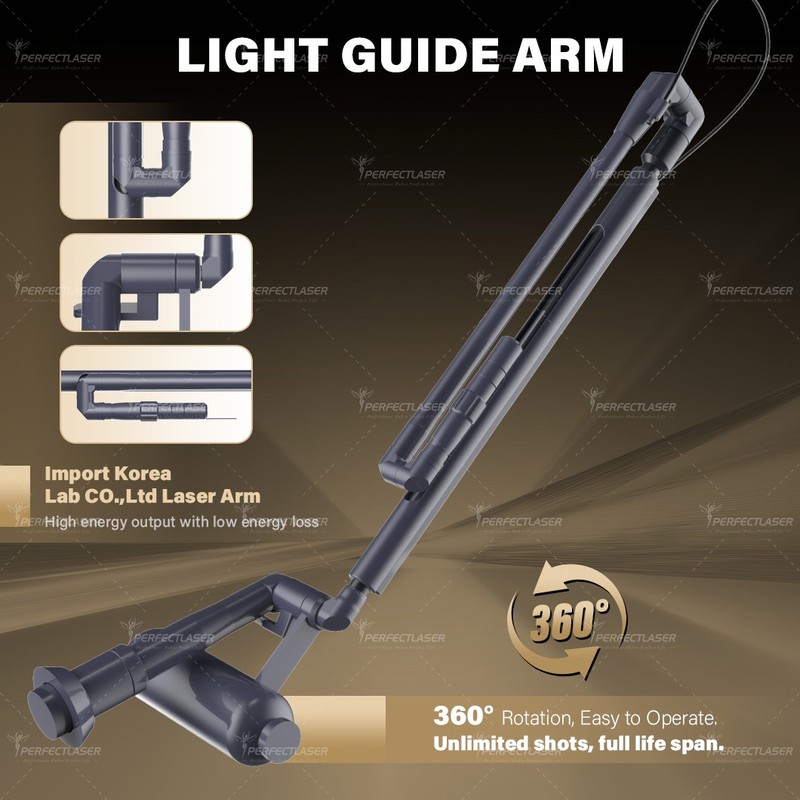
Patients describe the pulse as a sharp snap — hot, brief and rhythmic — and the comparison that keeps appearing across forums and clinics is the flick of a rubber band against bare skin, sometimes with a heat that lingers a second. The intensity map is predictable: areas where skin is thin over bone, or where the ink is dense, sit at the sharper end, while larger flat areas with lighter ink are more tolerable. Two variables decide most of the experience. The first is the settings — wavelength, energy and pulse parameters chosen for the ink and skin — which is why operator training is a patient-experience issue, not a technicality. The second is the machine’s comfort engineering: cooling integrated into the handpiece changes the felt experience dramatically, and a platform with strong contact cooling is the difference between a flinch and a wince. Ask which cooling design the machine uses before you compare prices; your clients will feel the answer.
How Pain Is Managed: Cooling, Numbing and Honest Settings
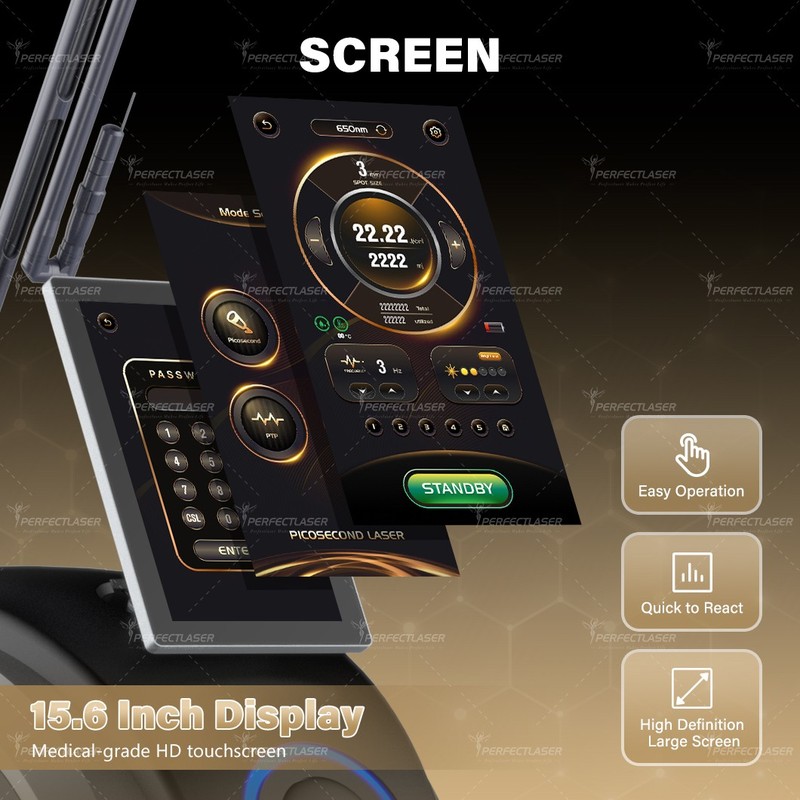
Comfort management runs on three levers, and clinics use them in order. Cooling comes first: a chilled handpiece window or contact cooling before and during the pulse is the baseline for every serious removal session. Numbing comes second where needed — topical anesthetic creams can raise the comfort threshold on sensitive zones, but their use is governed by local rules, and in some US states who may apply them and under what oversight is regulated, so clinics follow their jurisdiction’s requirements and the product’s instructions rather than a generic recipe. Settings come third: an experienced operator balances energy for results against energy for comfort, and the honest conversation about that trade-off happens before the first pulse, not after a painful one. Patients who are told what to expect report better experiences at the same settings — expectation management is pain management’s cheaper cousin. Ask your clinic how it manages each lever, and if you are the owner, ask Perfectláser how its training covers the numbing rules and the cooling settings as one conversation.
Side Effects: What Is Normal and What Is Not
The normal response is familiar to anyone who has had the treatment: immediate redness and swelling around the treated ink, sometimes pinpoint bleeding that crusts over, and skin that feels sunburned for a day or two. Crusting settles and heals over roughly one to two weeks, and the tattoo fades gradually across sessions rather than dramatically after one. Less common but real: blistering when settings and skin type are mismatched, temporary pigment changes — lighter or darker spots — that usually resolve, and, in rare cases with poor aftercare, infection or scarring. The distinction patients need is simple: expected redness and crusting are the process working, while spreading redness, pain beyond the first days, or unusual blistering are reasons to call the clinic, not to self-treat. Providers document the expected timeline in writing, and clinics that do are the ones whose patients recognize a problem early instead of late.
Aftercare: The Week That Decides the Course
The days after treatment carry as much of the outcome as the session itself. Day one means gentle cleansing and the aftercare products the clinic specifies — no scrubbing, no picking at crusting, no makeup over a treated face if that is the area. The first week adds the two rules that matter most: keep the area moisturized with approved products and protect it from the sun completely, because healing skin has no defense against UV. Weeks two and beyond belong to the schedule: spaced sessions let each round of clearance finish, and adherence to the course is what turns a fading tattoo into a removed one. Clinics that hand over a written aftercare sheet, schedule a review at the crusting stage and answer questions between sessions protect their outcomes and their reputations in one move — which is why the aftercare conversation is part of the service, not an extra.
What the Clinic Should Do Differently
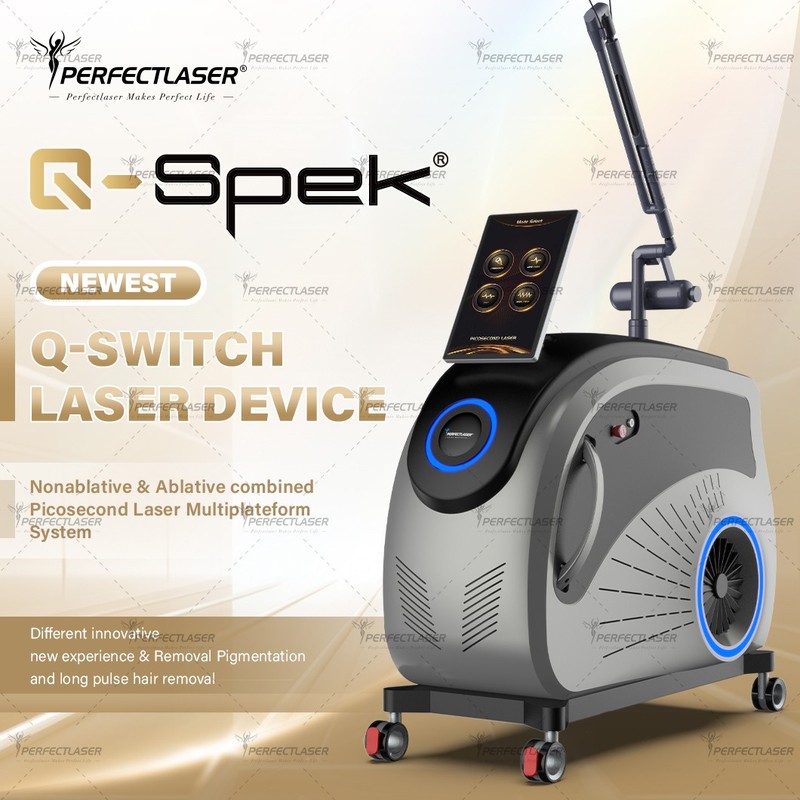
The clinics that earn five-star removal reviews do a few things consistently. They set the pain and timeline conversation before the first session, with real interval photos of similar cases. They run a patch test before full treatment and document the settings used. They manage numbing according to their local rules and the patient’s history. They write down the aftercare plan and check in at the crusting stage. And they photograph progress at consistent intervals with consent, so patients see the fading the mirror hides. When you compare providers, ask for exactly that list — and when you compare machines, ask the same way you would ask a clinic: show me the settings education, the cooling design and the aftercare protocol, in writing — the same three-document request works on suppliers, Perfectlaser included.
The Settings Conversation Is a Two-Way Street
Patients often treat the energy settings as a clinic secret, but the honest rooms treat them as a dialogue. An experienced operator balances two goals that pull in opposite directions: enough energy to fragment the ink effectively, and a level the patient can tolerate across a full course — because a session set so high that the client never returns helps no one. That is why the useful question after a treatment is not “did it hurt” but “how did that session compare to the last one,” and why patients should mention sensitivity openly instead of gritting through it. Settings can be adjusted as the ink lightens and the skin’s response becomes known, and the machine’s saved treatment records make that adjustment conversation concrete. When the operator and the client are both watching the same numbers, the course gets easier session by session — which is exactly how courses get finished.
Reading the First 48 Hours Correctly
The first two days after a session are where most patient anxiety lives, because the skin looks worse before it looks better — and knowing that in advance is half the cure. Expect the treated area to be red, swollen and possibly dotted with pinpoint marks; that is the inflammatory response doing its job, not a complication. Sleep normally, keep the area clean with gentle products, apply what the clinic prescribed, and resist the mirror’s invitation to judge progress on day one. The skin will crust and settle over the following days, and the actual fading happens over weeks as the body clears the fragmented ink — which is why the review appointment at the crusting stage exists, and why interval photos, not daily mirror checks, are the honest way to track a removal course. Clinics that tell patients this in advance get calmer clients and better outcomes; clinics that let the first 48 hours surprise people get anxious calls instead.
Preguntas frecuentes
1. Does picosecond laser tattoo removal hurt?
Most people describe a sharp, hot snapping sensation — often compared to a rubber band flick — with intensity varying by area, ink density and settings. Cooling and sometimes numbing manage it, and individual tolerance varies widely. A patch test is the honest way to calibrate expectations.
2. What does the skin look like after treatment?
Expect redness and swelling immediately, sometimes pinpoint bleeding that crusts, with healing over roughly one to two weeks. Fading is gradual across sessions. Spreading redness, unusual pain or blistering beyond the expected pattern are reasons to contact the clinic promptly.
3. Can I use numbing cream before my session?
Only under your clinic’s guidance and in line with local rules — some US states regulate who may apply topical anesthetics and under what oversight. Never self-apply numbing products before a treatment without clearing it with the provider, and follow the product’s instructions exactly.
4. How long does the crusting last?
Typically several days to about two weeks depending on the area, the settings and your healing. Leave crusting alone, keep the area clean and moisturized with approved products, and protect it from sun — picking at it invites infection and scarring.
5. What makes removal more or less painful between sessions?
As the ink lightens, sessions often become more tolerable — there is less pigment absorbing the energy. Settings may also be adjusted as the tattoo fades, and your tolerance tends to improve once you know the rhythm. Tell your operator how a session felt; the settings conversation is a two-way one.
If the experience above is the standard you want your room to deliver, the equipment conversation should include comfort engineering from the start: ask Perfectlaser for the cooling design, settings education and aftercare protocol documentation for the Picosecond Laser Tattoo Removal Machine range, and compare those answers with every other shortlist supplier before you commit.
 English
  Arabic
  Chinese
  Dutch
Dutch  French
  German
  Italian
  Portuguese
  Russian
  Spanish