
Short answer: a reliable picosecond laser manufacturer is one that can produce four things in writing — model-specific documentation, component service data, after-sales terms and real customer references — and can do it before you send a deposit. Everything else on this list is a way of testing those four things from a distance.
Buying a Machine d'enlèvement de tatouage laser Picosecond from a factory you will never visit is an exercise in remote due diligence, and the stakes are high enough that skipping it gets expensive. The good news is that reliability leaves a paper trail: documentation, service data, references and communication habits that a serious manufacturer can produce on request. This guide gives you the ten checks to run before any deposit — each one designed to be done by email, video call or database search from your own desk, so that the factory proves itself before your money does.
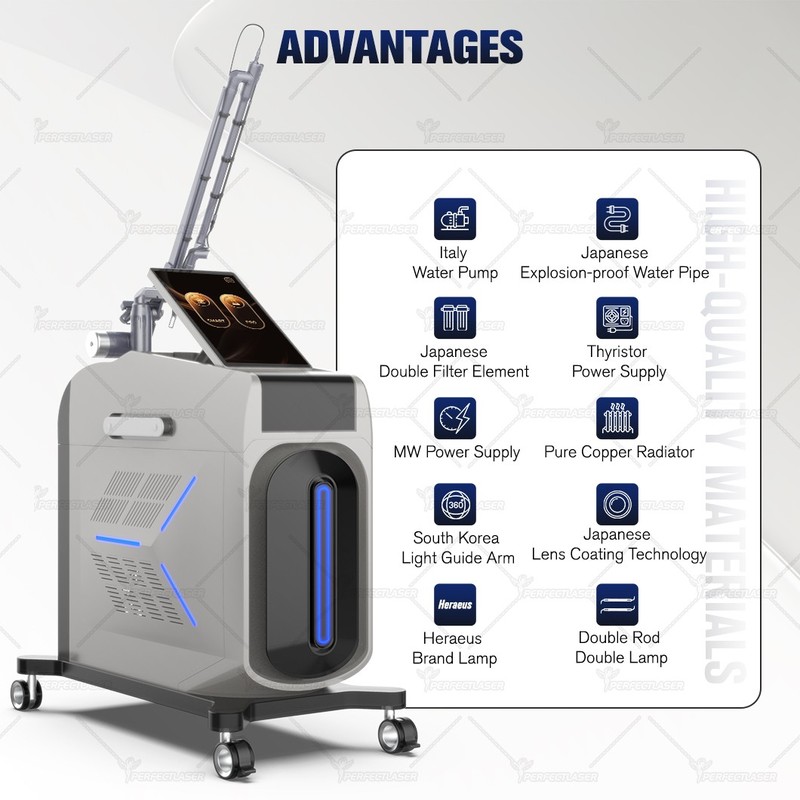
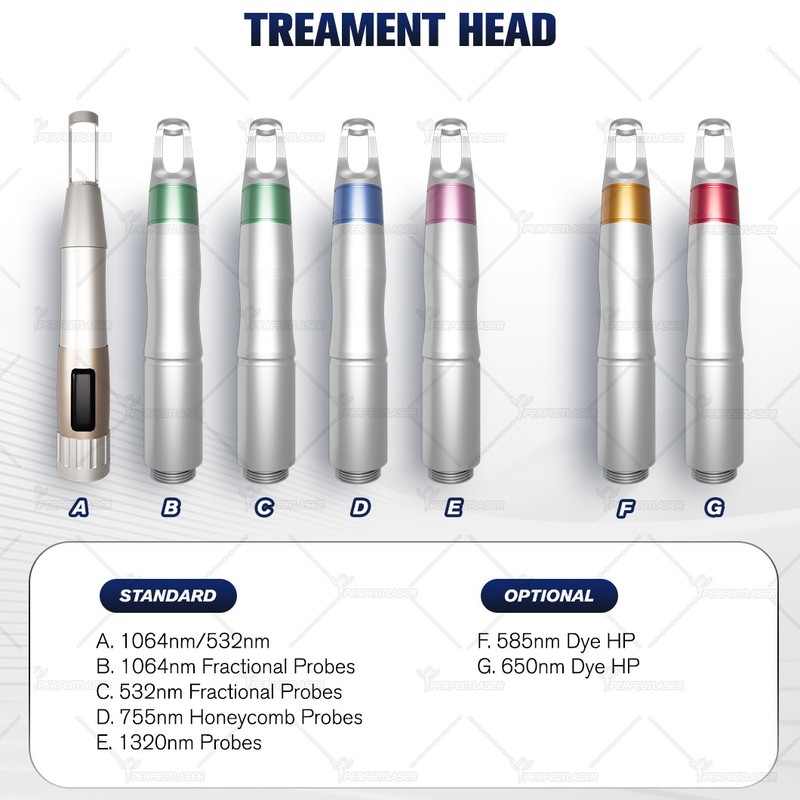
Checks 1–4: The Documentation That Names the Machine
The first four checks test the paperwork, because paperwork is where reliability hides or fails. Check one: does the manufacturer produce model-specific regulatory documentation — for US buyers, the 510(k) clearance reference naming the exact model; for EU and UK buyers, the CE or UKCA documents and Declaration of Conformity? Check two: do the documents match the configuration you are quoted, including the wavelengths and handpieces? Check three: can the factory produce the user manual, the settings tables and the technical specification for the exact model, in a language your operator can read? Check four: do the documents carry revision dates, and will the factory confirm them in writing? A manufacturer that treats documentation as a product — not a favor — has already passed the hardest test, because compliance discipline and manufacturing discipline tend to travel together.
Checks 5–7: The Service Data Behind the Machine
The middle three checks test what the machine costs to own, because a reliable manufacturer knows its own machines’ service reality. Check five: what is the documented service life of the key components — handpieces, and any consumables — and what is the replacement cost and lead time? Check six: what does the warranty cover, how long does it run, and how are claims actually handled across the distance to your country? Check seven: can the factory produce service documentation — maintenance schedules, spare-parts lists, troubleshooting guides — that a local technician could use without a factory visit? A manufacturer whose service data is vague on the phone but precise in writing is reliable; one whose answers stay vague in both is telling you how your year two will feel.
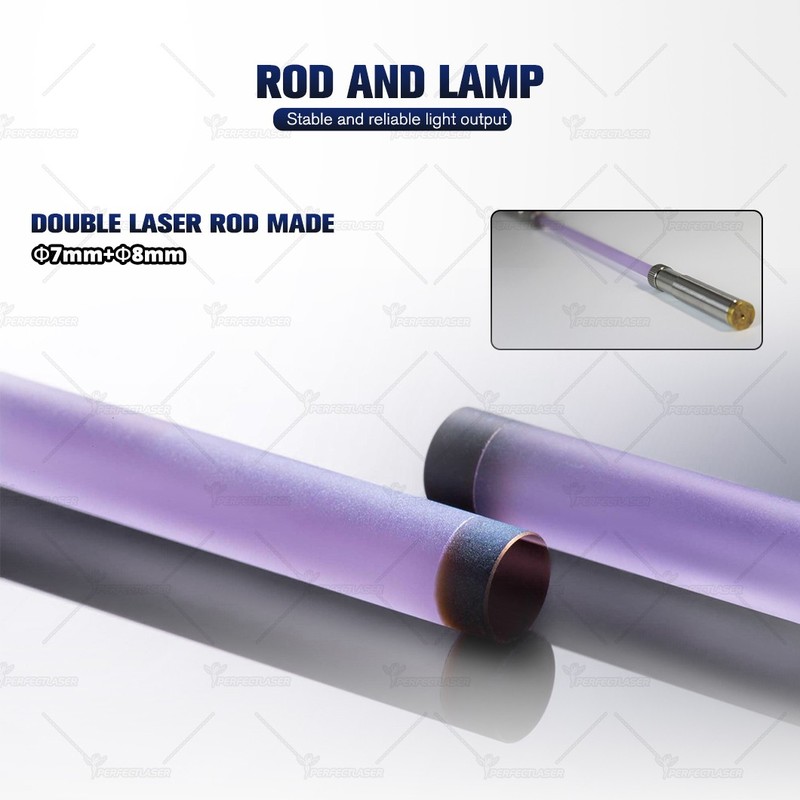
Checks 8–10: References, Communication and the Deposit Itself
The last three checks test the relationship, which is where remote purchases succeed or fail. Check eight: references — ask for two or three buyers in markets like yours who run the same model, and actually contact them, asking about delivery reality, training quality and how support behaved when something failed. Check nine: communication discipline — time how long the factory takes to answer technical questions in writing, and notice whether answers are specific or evasive; the sales rhythm before the deposit is the support rhythm after it. Check ten: the deposit structure itself — what are the payment stages, what happens to your money if delivery slips, and is the quotation itemized to the line? A serious manufacturer is comfortable with staged payments and written terms; a reluctant one is comfortable with your risk, which is not the same thing at all.
The Ten Checks at a Glance
| # | Check | Red flag if… |
|---|---|---|
| 1 | Model-specific regulatory documentation | General claims, no documents |
| 2 | Documents match the quoted configuration | Paperwork names a different model |
| 3 | Manual, settings tables, spec in your language | Brochure only |
| 4 | Revision dates confirmed in writing | Undated or stale documents |
| 5 | Component service life, cost, lead time | Vague on the phone and on paper |
| 6 | Warranty terms and claims route | No defined claims process |
| 7 | Service documentation a local tech can use | Factory-visit required for everything |
| 8 | References in markets like yours | No contacts or unwilling references |
| 9 | Written answers within reasonable time | Evasive or slow communication |
| 10 | Staged payments and itemized quotation | Pressure for full payment up front |
Why the Ten Checks Beat a Factory Visit
A factory tour is persuasive — clean floors, busy lines, confident engineers — and it is also a performance that any manufacturer can stage for a visiting buyer. The ten checks above test the things a staged visit cannot fake: documentation that names your exact model, service data that survives scrutiny, and communication habits that only show themselves over weeks of correspondence. That is why importers who skip the desk work and fly straight to the factory often learn more from the emails afterward than from the tour itself. Run the ten checks first; if they pass, a visit is a confirmation. If they fail, no tour will save the purchase — and the deposit you did not send is the best reference a supplier never gives you.
The Five Questions That Separate Factories from Assemblers
Not every “factory” builds what it sells — some are assemblers who buy components and put boxes together, and some are trading companies who buy finished machines from the actual producers. The distinction matters because it decides who owns the engineering, the documentation and the service knowledge. Five questions separate them in one conversation: who designs the optical and electronic systems, where are the core components made, does the factory hold its own regulatory documentation for the models it sells, who writes the service documentation and settings tables, and what happens when a machine needs a fix that a component supplier would normally own? A genuine manufacturer answers all five from its own engineering team; an assembler or trader answers with careful language about partners. There is nothing wrong with buying from a trader — until you need the engineering support that only the real manufacturer can give, which is exactly when your ten checks will have already told you who you are dealing with.
What a Video Call Audit Should Cover
A scheduled video call is the closest a remote buyer gets to the factory floor, and the discipline is to ask for specific things rather than a tour. Request to see the actual model you are quoted — serial number visible, handpieces connected, console powered on — and ask the engineer to walk the settings tables on screen. Ask to see the service area and the spare-parts shelf, because stock on hand tells you what the factory can actually support. Ask who your post-sale contact will be and put them on the call, then time the follow-up email. A factory that happily shows a powered, configured unit with its serial number and introduces the engineer who will answer your questions later is showing you the reliability the ten checks predicted; one that offers a marketing video instead is showing you its brochure in motion.
FAQ (questions fréquentes)
1. How do I know a picosecond laser manufacturer is reliable?
Ask for the four documents that matter — model-specific regulatory paperwork, component service data, after-sales terms and customer references — and verify each one. Reliability leaves a paper trail, and a manufacturer that produces it before the deposit is doing business the way you want them to.
2. Do I need to visit the factory before buying?
Not necessarily — the desk checks above catch most problems from a distance, and a serious manufacturer welcomes them. A visit is a confirmation after the checks pass, not a substitute for them, because floors and lines can be staged in a way documentation cannot.
3. What documents should a manufacturer provide before payment?
For US buyers, the 510(k) reference naming the exact model; for EU and UK buyers, the CE or UKCA documents and Declaration of Conformity — plus the user manual, settings tables, warranty terms and service documentation in a language your operator can read.
4. What payment structure is normal when importing?
Staged payments are the healthy norm — a deposit to secure production, milestone payments tied to progress or inspection, and the balance against shipping documents. A manufacturer pressuring for full payment before production is a red flag no spec sheet can fix.
5. How long should a manufacturer take to answer technical questions?
Within a reasonable business window, in writing, with specifics. The sales rhythm before the deposit is the support rhythm after it — if technical questions get evasive answers during the sale, imagine them during a breakdown, and choose accordingly.
Run the same ten checks on every shortlist — laser parfait included — and keep the results side by side; the sales team will also send you the verification checklist PDF with the documentation pack for the Picosecond Laser Tattoo Removal Machine range, so the desk work is done before the visit, not after the deposit.
 English
  Arabic
  Chinese
  Dutch
Dutch  French
  German
  Italian
  Portuguese
  Russian
  Spanish