
Short answer: Starting a laser hair removal business in the US costs roughly $20k–$200k; in the UK, £10k–£30k. The machine is the biggest line item, and lean single-room studios recover it within 3–6 months. Figures are industry planning ranges that vary by region — confirm with a factory quote.
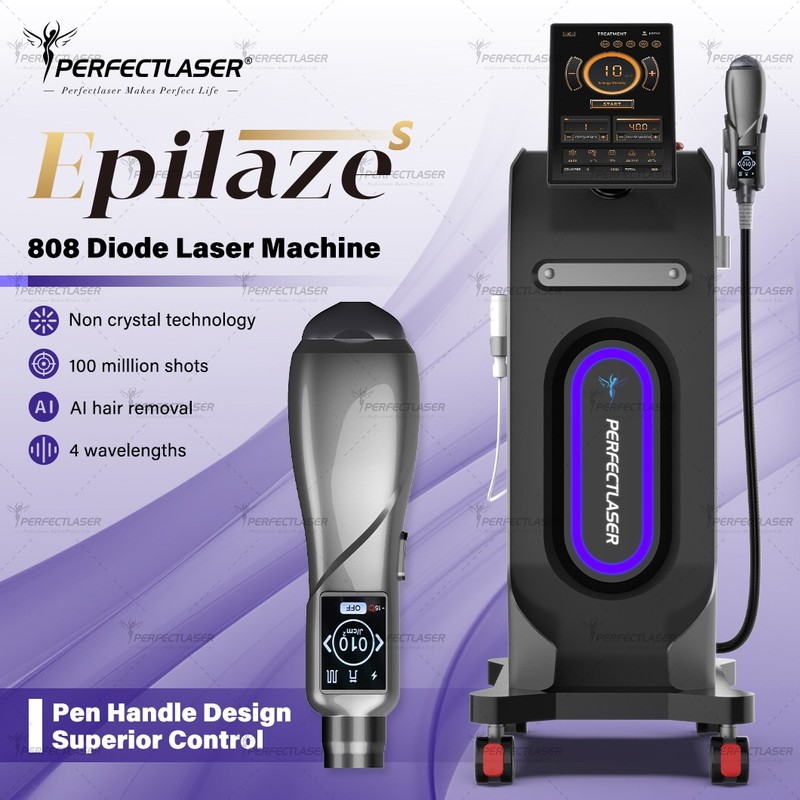
Ask ten salon owners about launch week and most name one mistake: choosing equipment before understanding its budget. This guide follows the order you will face — room and rules, the professional machine d'épilation laser diode you build your menu around, a line-by-line budget, pricing and a first-month cash-flow plan. You already know a diode laser hair removal machine is the workhorse of modern clinics — equipment choice decides whether your studio locks in a return or buries its deposit.
Before You Lease: Room, Rules and Training
The cheapest mistake is buying equipment before you know what local rules allow. Requirements differ by state in the US and by region in the UK, and they change over time. Contact your local authority or state board first and ask what qualification the operator needs and what registration applies to you. Ask your insurer the same questions — policies usually require documented training.
The room matters less than owners hope and more than they expect. You need a clean space with enough floor area to move a floor-standing machine between treatment positions, good lighting and a simple cleaning routine. Before day one you also need a Google Business profile, a booking system and a pricing page. Sort rules and room first and you will never buy a machine you cannot legally run.
Equipment Selection: What to Look for in a Laser Hair Removal Machine
The core choice is IPL versus true laser. Home IPL devices work — slowly, on limited skin and hair types, and only with months of discipline. Professional diode laser platforms target the hair follicle more selectively — fewer sessions per area for most clients — and they run all day. That is why the professional diode laser hair removal machine — not IPL — anchors treatment rooms across the US and UK.
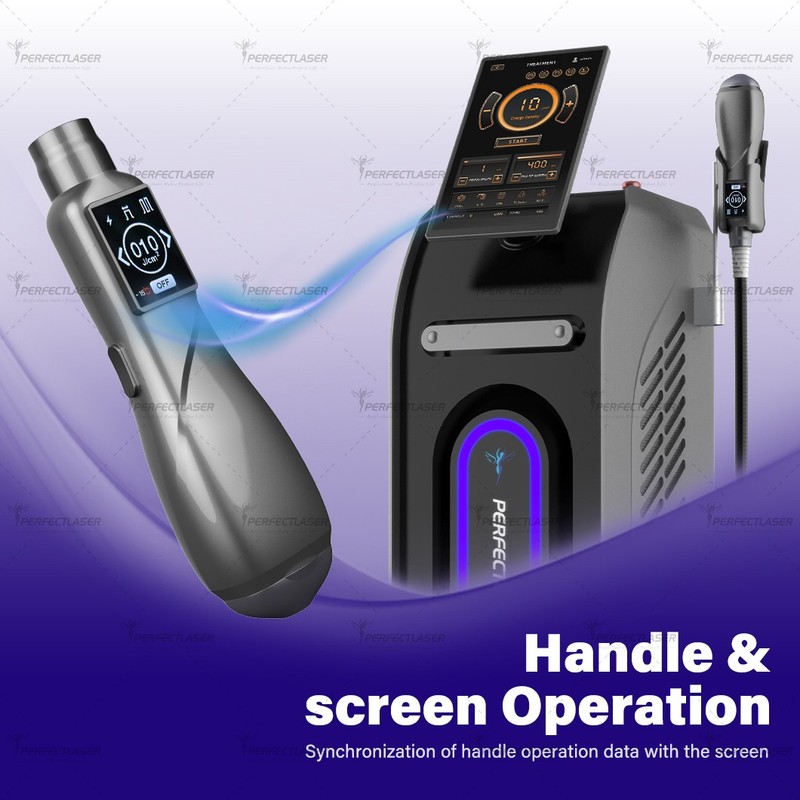
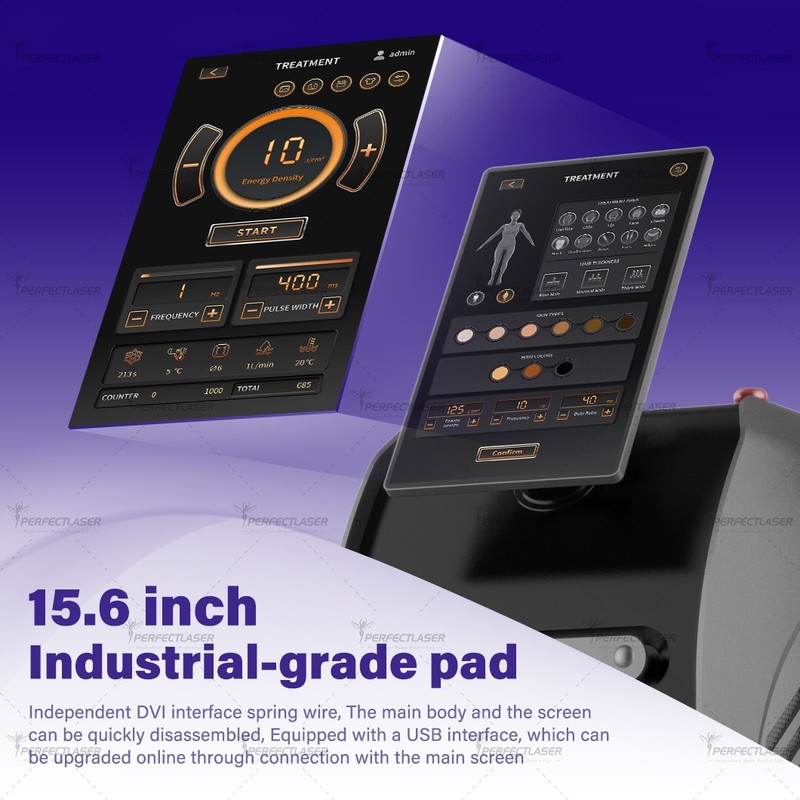
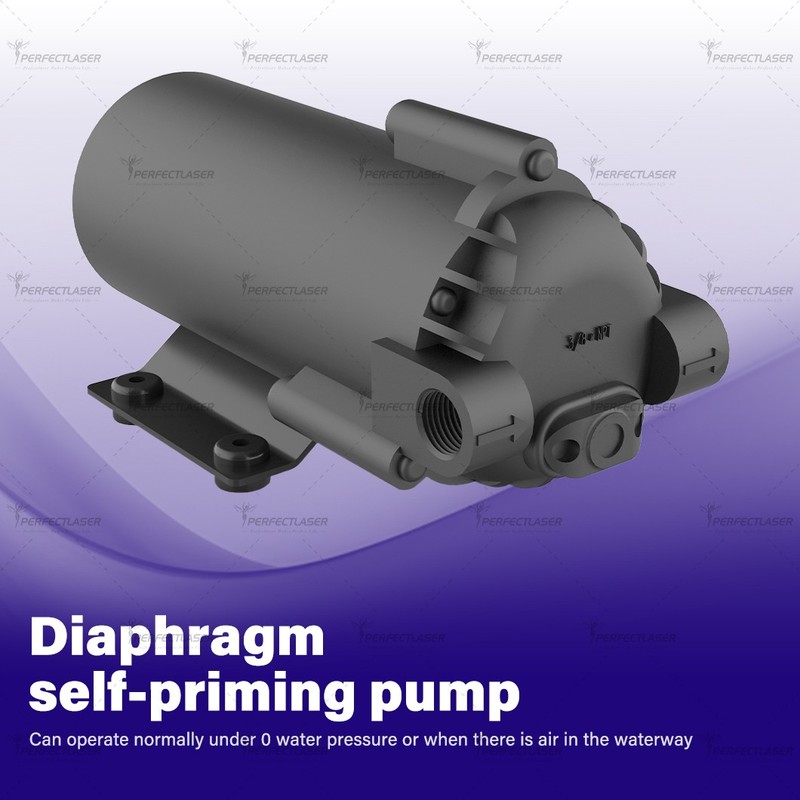
Inspect five things on a salon-grade unit. Cooling first: contact cooling keeps skin comfortable, and a separate water-cooling pump assembly lets the machine run back-to-back clients without slowing. Second, the handpiece — it must stay comfortable for hours. Third, the interface: a vertical touchscreen with saved presets turns a new hire into a productive operator in days. Fourth, mobility: a frosted-black floor-standing cart on wheels moves between rooms. Fifth, the company behind it: warranty, spare parts and operator training decide whether the machine is an asset or an ornament in year two. Manufacturers like laser parfait build this exact configuration — cart, touchscreen, pen handpiece, water-cooling pump — because it matches how a real salon works.
| Choice | New salon-grade diode machine | Home IPL device | Second-hand clinic laser |
|---|---|---|---|
| Built for | Continuous daily salon schedules | Occasional personal use | Clinic schedules, but history unknown |
| refroidissement | Contact cooling plus water-cooled pump | Fan or passive, long cooldowns | Depends on the unit |
| Speed | Designed for back-to-back clients | Small areas, slow pace | Fast, but breakdown risk is real |
| Verdict | The treatment room of a paying business | A home bathroom drawer | A workshop with a repair network |
For a first salon, buy a new salon-grade diode platform from a manufacturer that trains you and stands behind the unit; what you save on a second-hand clinic laser rarely survives the first breakdown.
How Much to Start a Laser Hair Removal Business: The Real Budget
The machine is the largest single line item — and the most common way to under-quote a laser hair removal launch. Work through the lines below and ask each shortlisted manufacturer — Perfectlaser included — for an itemized quotation: unit, options, freight, duties, training — never a lump sum.
| Budget line | Planning range | Notes |
|---|---|---|
| Laser machine (bare unit, main handpiece) | ~$4,000–$8,000+ entry salon-grade configuration | The largest line; options cost more |
| Options and spares | $500–$2,000 | Extra handpieces, tips, eyewear |
| Freight and import handling | $500–$2,500 | Sea is slow and cheap; air is fast and costly |
| Duties, VAT and sales tax | Varies by country | Ask a customs broker first |
| Installation and training | $500–$3,000 | Remote is cheaper; on-site adds travel |
| Room, fit-out, signage | $5,000–$50,000+ | Lean to premium fit-outs |
| Insurance, software, marketing, consumables | $2,000–$8,000 in year one | Liability, software, marketing |
Add the lines and the industry range appears: roughly $20k–$200k for a US launch, £10k–£30k in the UK — lean at the bottom, multi-room fit-out at the top. Keep a working-capital buffer — bookings take six to eight weeks to ramp.
Pricing Sessions and Building Packages That Fill the Diary
What you charge depends on your city and positioning; published industry bands give a starting point. Typical per-session prices run $40–$150 for an upper lip and $250–$600 for full legs in the US, £30–£90 and £180–£450 in the UK; Brazilian and bikini work lands around $100–$350 in the US and £70–£250 in the UK.
Margin lives in how you sell time. Sell six-to-eight-session courses at a modest discount — laser hair removal needs a series, and pre-paid courses lock in visits and revenue. Add a membership tier for touch-ups and the recurring income smooths the quiet weeks. The arithmetic: a solo operator running six to eight appointments a day at a $70–$120 average ticket books 90–120 sessions a month and grosses $7k–$14k before overheads — illustrative, not a promise, but it explains why laser hair removal keeps attracting new owners. The common mistake is pricing professional laser time like a home IPL gadget; you sell fewer sessions per client and faster results — that is worth professional pricing.
The First Month: Cash Flow and the 3–6 Month Payback
Market before the machine lands. Run a launch offer tied to a course, collect bookings during installation and training, and build a Google Business profile with real reviews — local search is where laser hair removal clients find a new studio. Expect a six-to-eight-week ramp; the first month rarely covers rent, which is normal.
At 60–70% occupancy, lean single-room studios clear overheads by month two or three; the benchmark for recovering the equipment investment is 3–6 months, while larger fit-outs need 12–24 months. Established multi-machine businesses reference $200k–$500k+ a year — a band to know, not a month-one target. Watch cost per booked client and repeat-course sales — if both improve monthly, payback takes care of itself.
The Bottom Line
Decide room and rules first, anchor the budget on the machine, price courses, and allow three to six months to fill the diary. That order has opened more profitable laser hair removal businesses than any equipment deal — and it protects you from the two classic mistakes: buying before you know the rules, and under-pricing your time.
Next, shortlist two or three manufacturers and ask each for an itemized quotation — unit, options, freight, duties, training. Perfectlaser supplies salon-grade laser hair removal machines to first-time owners and quotes line by line, so you can compare fairly. Send an inquiry with your country, room size and expected client volume.
Send an Inquiry for an Itemized Quote
FAQ (questions fréquentes)
1. How much does it cost to start a laser hair removal business?
Industry planning ranges put a US launch at $20k–$200k and a UK launch at £10k–£30k; the laser machine is the largest line item — ask the factory for a written itemized quotation.
2. How long does it take to break even on a laser hair removal business?
At 60–70% occupancy, lean single-room studios plan on recovering the machine investment in 3–6 months; larger fit-outs need 12–24 months. Occupancy and average ticket drive the date — treat these as planning benchmarks, not guarantees.
3. Do I need a licence or certification to run a laser hair removal business?
Requirements differ by state in the US and by region in the UK, so contact your local authority or state board about the operator qualification and registration that apply. Insurers usually require documented training too — budget for it.
4. Is a professional diode laser machine better than IPL for a salon?
Yes, for paying clients. Diode platforms target the follicle more selectively, so most clients need fewer sessions per area, and professional machines carry cooling for back-to-back clients — which is why clinics anchor menus on a diode laser hair removal machine, not IPL.
5. What should a first-time buyer check before buying a salon laser machine?
Check five things: cooling (contact cooling plus a water-cooled pump keeps clients comfortable all day), the handpiece (light enough for hours), the interface (a touchscreen with saved presets), mobility, and the after-sales package — warranty, spare parts and operator training, in writing.
 English
  Arabic
  Chinese
  Dutch
Dutch  French
  German
  Italian
  Portuguese
  Russian
  Spanish