
The proforma invoice prints “MOQ: 1 set” near the top, and that one line reassures buyers far more than it should. A minimum order of one tells you the factory will accept a small order. It says nothing about when the unit ships, which cartridge family will be in production that month, or whether replenishment will still be running when the first order runs out.
Reading the order sheet properly
An order for a microneedling machine has four commitments hidden in it, and each behaves on its own schedule. The unit itself. The cartridge stock that ships alongside it. The spare handpiece or service kit. And the documentation package for the destination market.
Only the first is normally discussed when a microneedling machine order is placed. The other three are what delay installations and what generate the emails in month three.
Look at how the sheet is written, too. “Lead time: 15–25 days” without a start trigger means the clock begins whenever the factory decides to begin it. “Lead time: 15–25 days from receipt of deposit and approved artwork” is a commitment a buyer can hold someone to.
What actually moves the dates
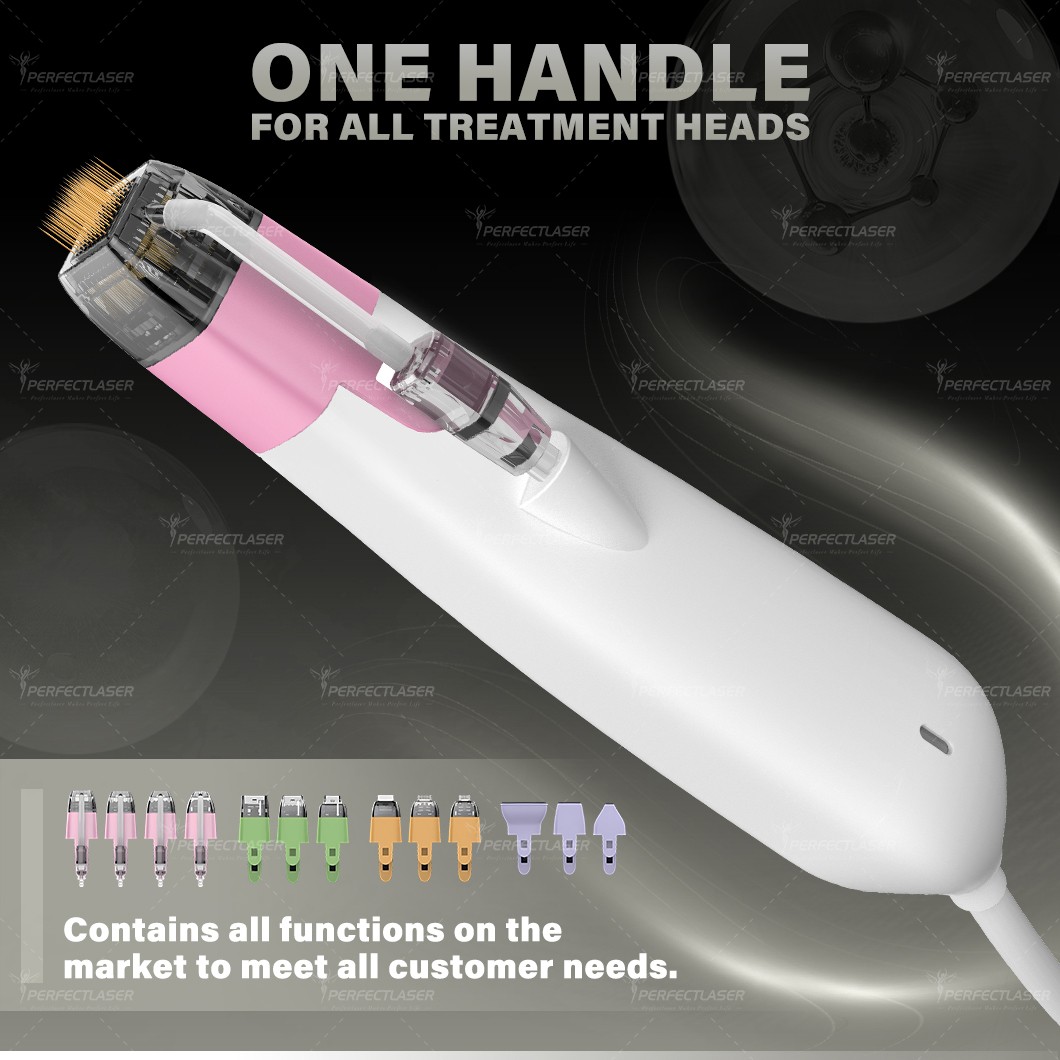
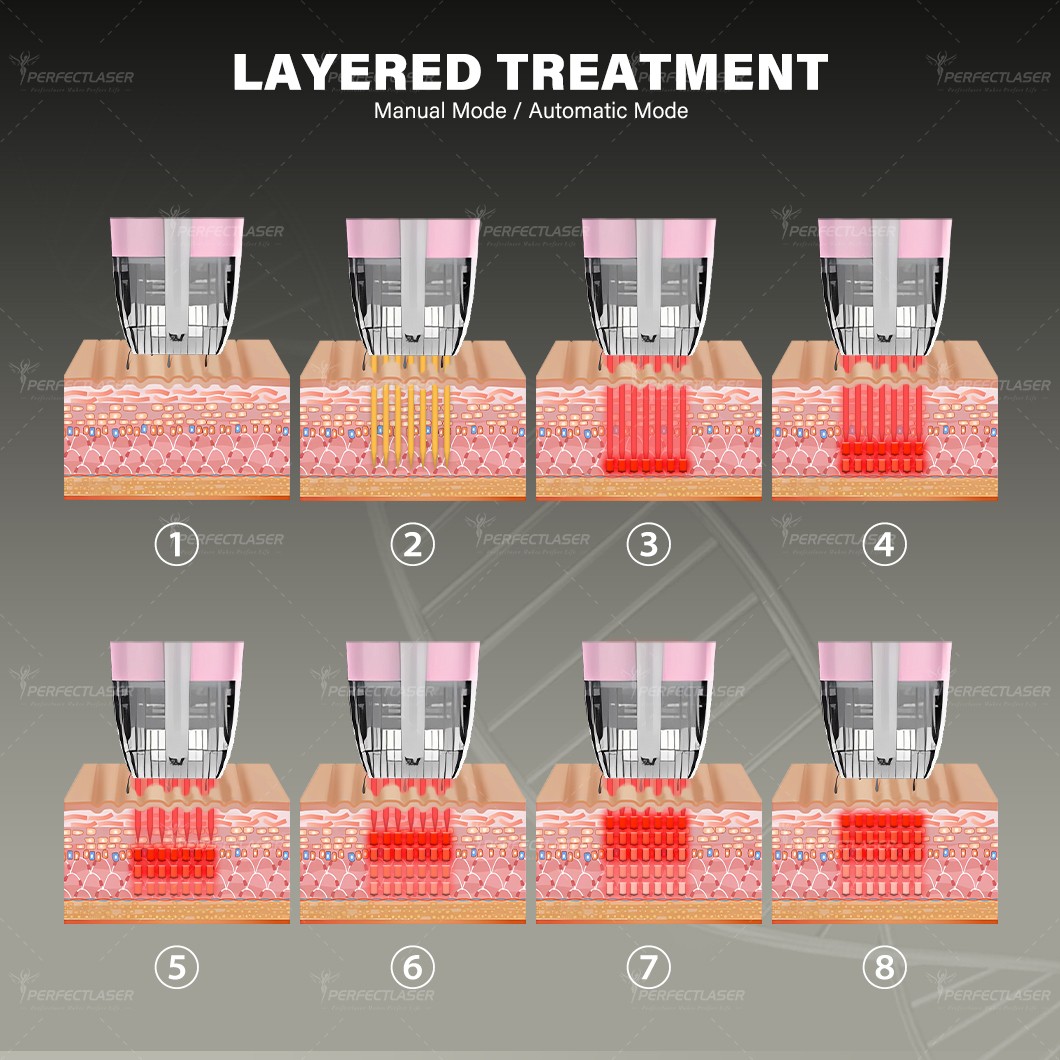
Cartridge families drive more of the calendar than the chassis does. A stock NV family for a microneedling machine comes off a running line; a THERMAL set in an unusual geometry may need a fresh assembly run. If the order specifies several families, ask which are stocked and which are made to order.
Panel and packaging changes add a review loop, and review loops are where schedules die. A stock body with a printed label moves quickly. A new mould does not, and no amount of chasing shortens it.
Payment structure matters as well. A seller who requires the balance before shipment holds the goods until the money lands; a seller who ships against documents keeps the container moving while the banking clears. Neither is unreasonable, but the difference shows up in arrival dates.
Cartridge supply is the clause to read twice
A microneedling machine is sold once. Cartridges are sold forever, which is why the supply terms deserve more attention than the unit terms. Three questions cover most of it: which needle families will still be produced in two years, what the reorder quantity is, and what the lead time is for a replenishment order placed mid-season.
Place two offers side by side and the difference is blunt. Offer one lists a reorder minimum for each family and states that the same cartridge is used across the seller’s whole range. Offer two commits only to supply “compatible cartridges” and gives a reorder minimum that quietly sits above a small clinic’s annual usage. The first clinic can plan a year of treatment capacity. The second discovers in month eight that the next shipment requires a commitment larger than the one it can absorb.
Ask, as well, whether cartridge housings are keyed. A keyed housing prevents a third-party assembly from seating, which is either protection or lock-in depending on which side of the negotiation you sit.
| Item | Ask for |
|---|---|
| Unit lead time | Start trigger and shipping week |
| Cartridge stock | Which families ship from stock |
| Reorder minimum | Per family, in writing |
| Replenishment lead time | Stated separately from unit lead time |
| Spare parts | Handpiece and service kit included |
Quick answers
Is MOQ of one realistic? For a sample or a first clinic, often yes. For a distributor planning volume, a one-unit order usually loses the pricing that made the project worth doing.
Should I order spare cartridges up front? Enough to cover the first quarter at your own forecast, not at the seller’s suggested figure.
Can lead time be shortened? Only by changing what is ordered — a stock panel, a stocked family, standard packing.
What belongs in the contract? A shipping week, not a range. A range is a hope with punctuation.
laser parfait states cartridge reorder terms for its microneedling machine separately from unit lead time, so a distributor can size the first order against a real replenishment cycle instead of guessing at one.
 English
 Arabic
 Chinese
 Dutch
 French
 German
 Italian
 Portuguese
 Russian
 Spanish