One line near the bottom of a wholesale quotation — dealer pricing applies from five units — decides whether an esthetician channel holds together or quietly stalls. It reads like a discount rule. In practice it sets the floor for every demo, every training afternoon and every replacement cartridge you hand out in year one. Buyers who skim past it end up reselling a microneedling machine at a margin that never covers the support work behind it.
Reading the Unit Price Line
A wholesale quotation for a microneedling machine is never one item. Strip the line apart and five things usually fall out: the console, the handpiece, the needle cartridges, a starter set of consumables, and the service package that covers training, warranty and spare parts. Some suppliers fold all five into “unit price”. Others price the console alone and let the rest arrive as separate invoices three weeks later.
Ask for the split in writing before comparing anything. A quote that shows the console at one figure and cartridges at another is easier to defend to your own accountant than a lump sum, and it makes the second and third orders far easier to forecast.
What Moves the Number
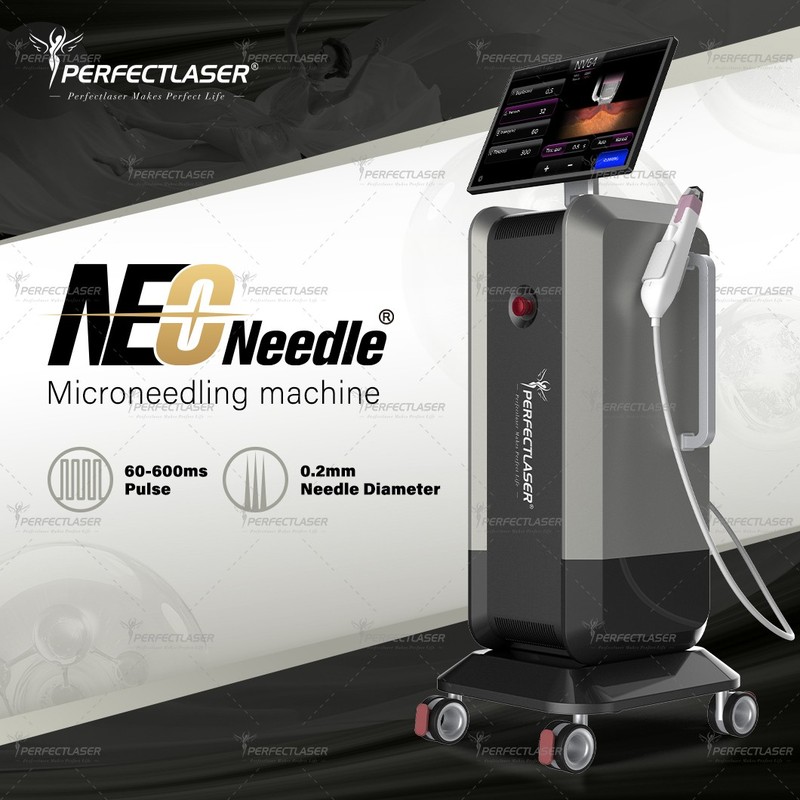
Volume is the obvious lever, rarely the largest one. The needle family mix matters more. Four families ship with this platform — NV, IS, IC and THERMAL — and they do not price alike. A channel selling mostly NV 36-pin sessions carries a different cartridge bill from one running IS 25-pin work on thinner skin. Needle diameter sits at 0.2mm across the range, so the cost difference lives in pin count and geometry, not in a cheaper needle.
Then come the quieter variables: whether a second handpiece is included, whether depth control to 7.0mm is written into the same unit (0.2–7.0mm is the working range), and whether the 45W console arrives with the AC100–240V input your market actually uses. Ask about noise while you are at it. Under 60dB sounds like a brochure detail until your treatment room shares a wall with reception.
Where Channel Deals Leak
Three leaks show up again and again. The first is training promised but never scheduled — “included” on paper, delivered by video, so your first esthetician learns from a screen. The second is cartridge consumption left out of the deal: a protocol that needs a fresh cartridge per client looks healthy until the consumable invoice lands. The third is warranty logistics. Who pays freight when a handpiece fails? A one-year warranty that adds a return shipment to every claim is not really a one-year warranty.
Exclusivity is the fourth, and the vaguest. Verbal territory rights are worth nothing at the second trade show.
Two Quotations, One Morning
Put two wholesale offers on the same sheet. Quote A names a lower console price, lists cartridges as “available on request”, and mentions training in a footnote. Quote B is higher on the console, includes a mixed NV and IS cartridge stock, an extra handpiece, and a training day with a date on it.
On the invoice, A wins by a clear margin. Across twelve months — console plus consumables plus a training trip you arrange yourself — the gap narrows to almost nothing, and B starts looking like the cheaper channel. The comparison only works when both offers are broken into the same five lines. Otherwise you are comparing a console to a business.
Questions That Come Back Every Week
Is a demo unit worth buying? Only with documented hours and a service history.
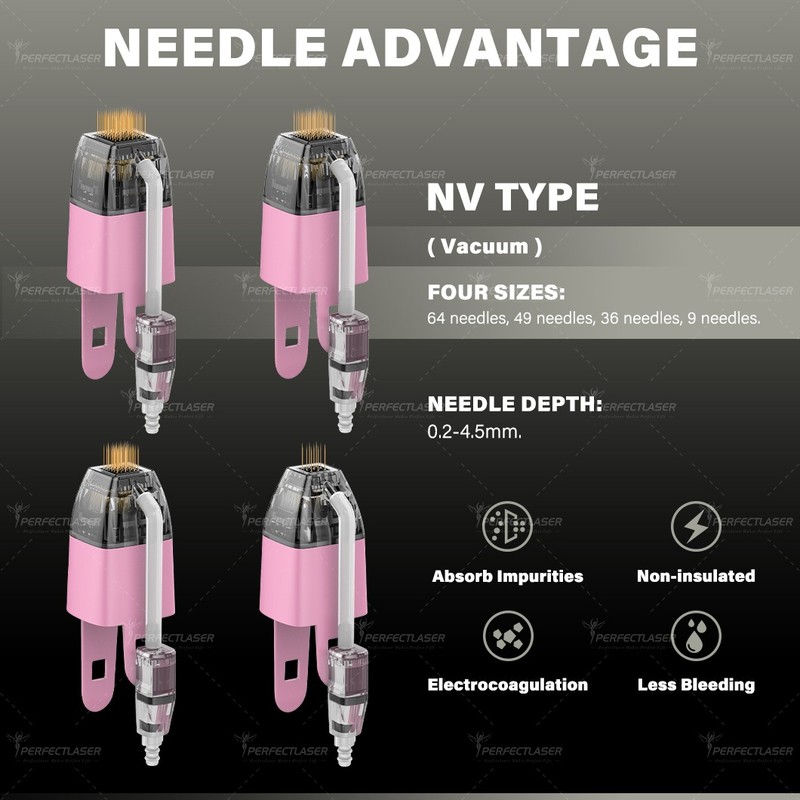
Can I mix needle families in one order? Yes, and you probably should — client demand rarely stays in one lane.
How many cartridges per month? Work backwards from booked treatments, then add a margin for patch tests and retraining.
What should the contract fix? Volume tiers, cartridge price for year one, a training date, and who pays return freight.
Build the channel on that five-line breakdown and the rest follows: consumable costs you can predict, a training date in the calendar, and a resale price you can explain without apologising. When you want the split instead of a single figure, the team at laser parfait will send it line by line.
 English
 Arabic
 Chinese
 Dutch
 French
 German
 Italian
 Portuguese
 Russian
 Spanish