
Short answer: An OEM or ODM EMS Body Slimming Machine deal rests on three written agreements, and we help buyers separate them before any tooling starts. How many units you must order. Which parts you’re allowed to change. Which party holds the certification. All three belong on paper. Regret is cheap. Tooling isn’t.
Buyers walk into this conversation with different assumptions. One wants a full redesign. Another wants a logo on the housing. Nothing else.
Sort that out early. Months of confusion disappear.
We build the platform under both routes. We also sit in the customisation meetings. So here’s how we’d pull the two words apart.
Two Different Contracts
OEM means you bring the design. The manufacturer builds to it.
ODM means the manufacturer owns an existing design. You adapt it for your market.
The gap isn’t academic. Under OEM you carry more engineering and paperwork. Under ODM a working platform already exists. Your changes sit on top.
Plenty of first-time importers are buying ODM and calling it OEM. That matters. The certification question changes with the model.
We see both routes on our own line.
Decide which contract you’re signing before you discuss price. The difference shows up at the first dispute. Under ODM the specification already exists. Under OEM you must write it and defend it.
The Customisation Sequence
Customisation is a schedule, not a meeting.
It starts with a written requirement. What must the machine do? Which treatments must it support? Which market will it serve?
Next comes a technical proposal. The manufacturer maps each requirement to what the platform can deliver. Or cannot.
Then a sample. Built for your approval against an agreed specification.
Only after that approval do tooling, artwork and production planning begin.
Every stage ends in a document you sign. A verbal agreement at stage one becomes an argument at stage four.
Keep a signed copy of each stage. A specification changed by email is hard to prove once the line starts.
Where MOQ Comes From
Minimum order quantity isn’t a figure plucked from the air. It reflects the setup cost behind the change.
A logo on existing artwork costs little. The MOQ stays low.
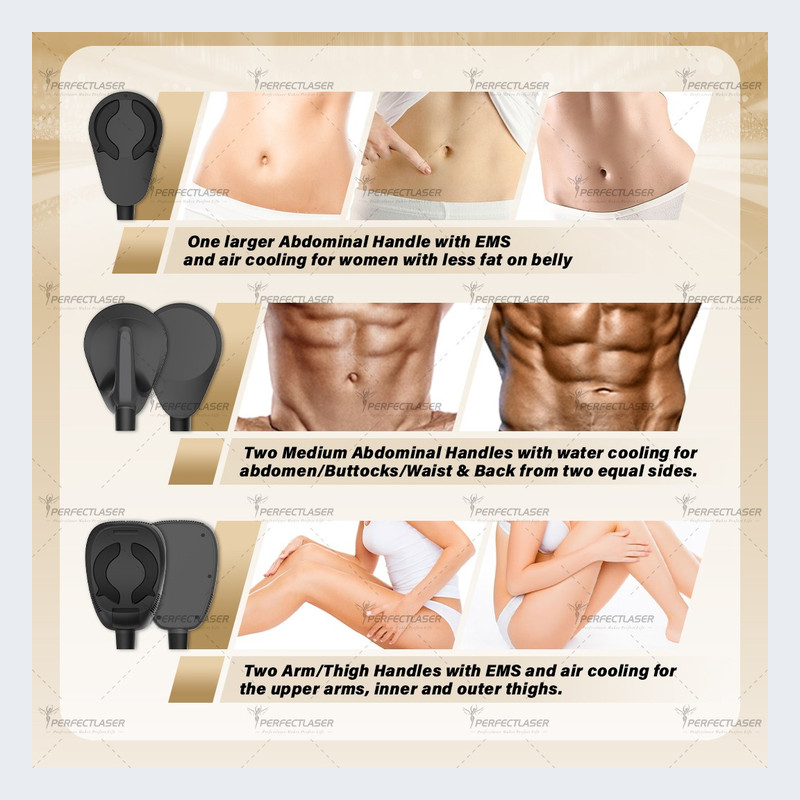
A new housing mould costs a great deal. So does a custom interface. So does a rearranged handle set. Each one needs tooling, testing and a run long enough to absorb both.
That’s why a realistic quotation separates stock orders from modified orders. Ask what portion is setup. Ask what portion is per-unit.
Then ask how the MOQ falls if you drop the priciest change. More often than not you reach a workable volume by simplifying the request. Not by buying more machines.
Every line on your request list has a price behind it. Ask for that price before you fall in love with a design.
Side By Side
Compare the two routes on the points buyers leave until too late.
We map these rows with buyers before a quotation goes out.
Who owns the design? Under ODM it’s the manufacturer’s platform, adapted. Under OEM it’s your own specification. The supply agreement decides that.
Tooling and moulds? Under ODM they usually already exist. Under OEM they’re often new, and you fund them. The quotation line items show it.
What drives the MOQ? Under ODM, branding and software. Under OEM, tooling plus run length. The technical proposal answers it.
Who owns the documentation? Under ODM it’s shared, defined item by item. Under OEM it’s negotiated per market. A written responsibility matrix settles it.
What about the certification route? Under ODM, documents exist for the platform. Under OEM, fresh testing may be needed. Your local authority and the contract decide.
Read the list as a budget of risk, not a menu. Every row you move toward OEM shifts cost and time onto your side.
If a supplier can’t map their own answers onto those rows, they haven’t thought the arrangement through.
Software You Can Change
Program customisation is the most requested item on the list. It’s also the least understood.
Operating software moves in real ways. Training menus. Preset routines. Language sets. On-screen branding. Access levels for staff.
That’s the cheap end of customisation. It’s where most brands should start.
Hardware You Cannot
Hardware follows a harder line. Housing colours, the logo plate and packaging are usually straightforward.
Anything touching the output is not. The 6000W power stage, the 1–135Hz range and the 16 Tesla field are engineering and regulatory matters. Not marketing preferences.
Treat those core figures as fixed. A supplier who casually offers to alter them is telling you how they treat certification.
Draw up your request list. Mark each line as cosmetic, software or engineering. Expect only the first two to move quickly.
The Platform Underneath
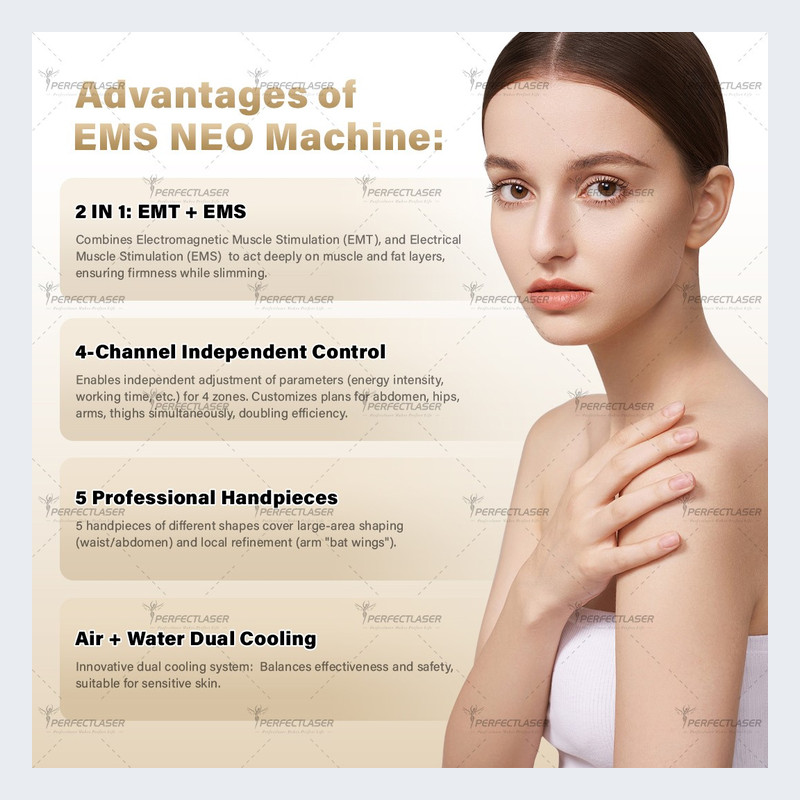
Our own platform carries fixed figures. Five handpieces. Four channels. A 15.6-inch interface. Auto and Manual modes. Air and water cooling.
Customise the outside. Branding, menus, language, packaging. Leave the engineering table alone.
That split keeps your certification story simple. It also keeps your samples quick.
Our customisation desk answers these questions daily. Ask early. Ask in writing.
Who Owns The Certification
This question decides whether the project is viable. It has to be answered before the first order.
Whoever puts the machine on the market carries duties. Registration. Labelling. Adverse-event reporting. Holding the technical file. Those duties differ from the manufacturer’s.
So they must be assigned in the supply agreement. A logo on the housing doesn’t assign them.
Put three questions on paper. Which company counts as the manufacturer of record? Which party holds the documentation for that exact configuration? Which party answers a regulator, or a customer, in your territory?
Certification ownership and mark usage must be stated in the written contract. They must also comply with your target market’s regulations. Where that’s unclear, take local advice before you sell.
A commercial arrangement that isn’t also a regulatory one tends to fail some months after launch.
Documents To Keep
Keep every version of every document you receive. Note the model on each one. Note the date.
Store them where your own team can find them. A folder of undated certificates is worth very little. An authority will ask which one applies to the units you hold.
Lead Time And Change Cost
Lead time follows the change, not the machine.
A stock platform ships on a schedule. A modified unit waits for a sample. Then for your sign-off. Then for tooling.
Ask for the sample date and the production date separately. One promised date hides both.
Change cost is billed one way on ODM and another on OEM. Per order, or per tooling cycle. Know which one you’re signing.
A revised design isn’t a cheap favour. Each round costs a sample, a test and a slot on the line. Batch your changes into one round where you can.
Ask us early and we’ll flag the slow items.
What The Contract Should Name
The supply agreement should settle a short list. The party that owns the design. The party that funds the tooling. The party that holds the documentation. The route to certification. The lead time. The change cost.
Each line deserves a name and a date. A responsibility matrix in the annex works well.
Ask who signs the declaration of conformity for your exact configuration. That single question exposes most of the ambiguity.
Before The First Meeting
Bring a written requirement. The treatments. The target market. The volume you can realistically commit to.
Then bring a ranked wish list. A ranked list lets the manufacturer tell you which changes are cheap. Otherwise every request looks equally urgent.
A short brief with two priorities beats a long list of everything you’d like.
Branding And Tooling
Branding can usually be agreed. Housing marks. Interface logos. Packaging.
The agreement should say where your branding may appear. It should say how the identification plate reads. It should name the party who answers a regulatory question. That way a logo never implies a duty you don’t hold.
Tooling is a contract term, not a technical one. Agree who owns any mould created for your project. Agree whether it can be transferred. Agree on what conditions. Leaving that unstated turns an orderly exit into a dispute.
Decide the exit before you enter. It’s cheaper to write than to litigate.
If you’re scoping a custom programme, write your requirement down and send it over. The laser parfait team replies with platform options and supply terms. Then your EMS Body Slimming Machine is defined by signed documents. Not by the most generous version of the sales call.
 English
 Arabic
 Chinese
 Dutch
 French
 German
 Italian
 Portuguese
 Russian
 Spanish