
Short answer: OEM means the factory builds the hardware and your brand owns the machine — which makes the factory’s documentation, quality discipline and long-term commitment your brand’s foundation. The launch succeeds or fails on the partner’s paperwork before it ever reaches your logo.
Launching your own laser device brand is one part marketing and three parts manufacturing partnership, and the ratio surprises every founder who starts with the logo. The OEM route lets you put your brand on a Machine d'enlèvement de tatouage laser Picosecond built to your specification — but your brand inherits everything the factory does: the documentation quality, the component choices, the service reality and the compliance file. This guide walks the OEM decision from partner selection through specification to launch, and shows why the brands that last treat the factory relationship as a product to manage rather than a supplier to order from.
OEM vs Private Label: Know Which Deal You Are Signing
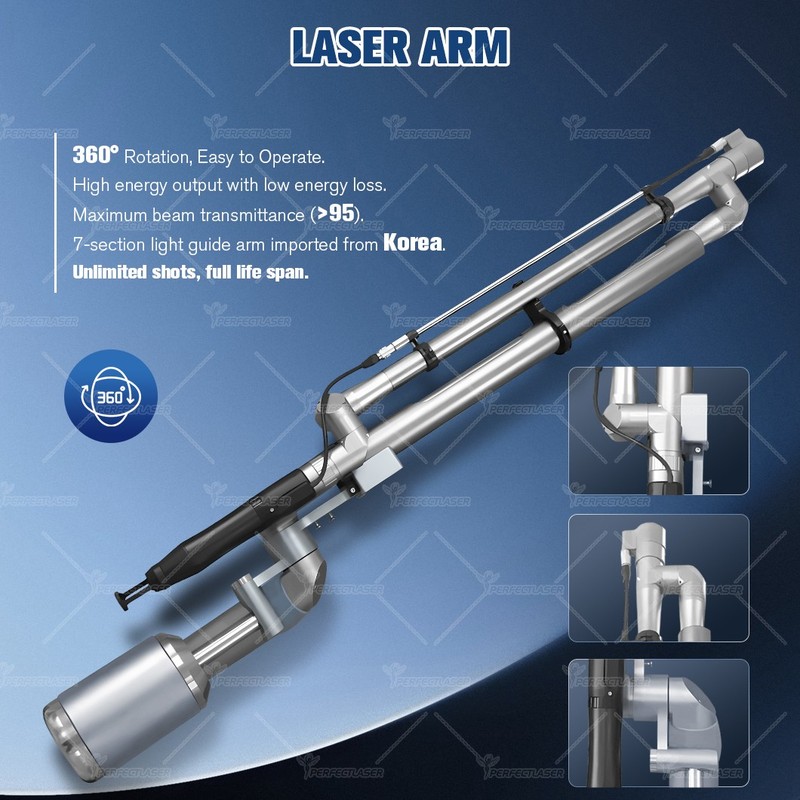
The two routes sound alike and are not. Private label means taking an existing model and putting your brand on it — fastest to market, lowest engineering involvement, and your differentiation is limited to packaging, price and support. OEM proper means the factory builds to your specification: your configuration choices, your color and interface decisions, your documentation set, and — in the strongest arrangements — your exclusive or semi-exclusive rights to the design. Private label launches in months; OEM takes longer and costs more in coordination, and it buys what private label cannot: a product the market cannot buy from your competitor next door. Founders should name the deal they are signing before the first meeting, because asking for OEM and accepting private label terms is how brands discover their “exclusive” machine on a competitor’s site.
The Documentation That Becomes Your Brand
Your brand’s reputation will be built on documents you do not write, which is the uncomfortable truth of OEM. The regulatory file — model-specific 510(k) coverage for US markets, CE or UKCA documents for Europe and the UK — carries your logo and your liability, so the factory’s documentation discipline is your compliance posture. The user manual, settings tables and service documentation appear under your brand to your customers and your operators. And the revision control matters: documents that name the exact model and configuration you sell, with current dates, are the file your insurer and regulator will ask for. Ask the factory which documents exist today, which will be created for your brand, and who owns the revision process — because a brand is only as strong as the paperwork it can produce when asked, and in OEM, the factory writes the paperwork.
Specifying the Machine: What You Control and What You Should
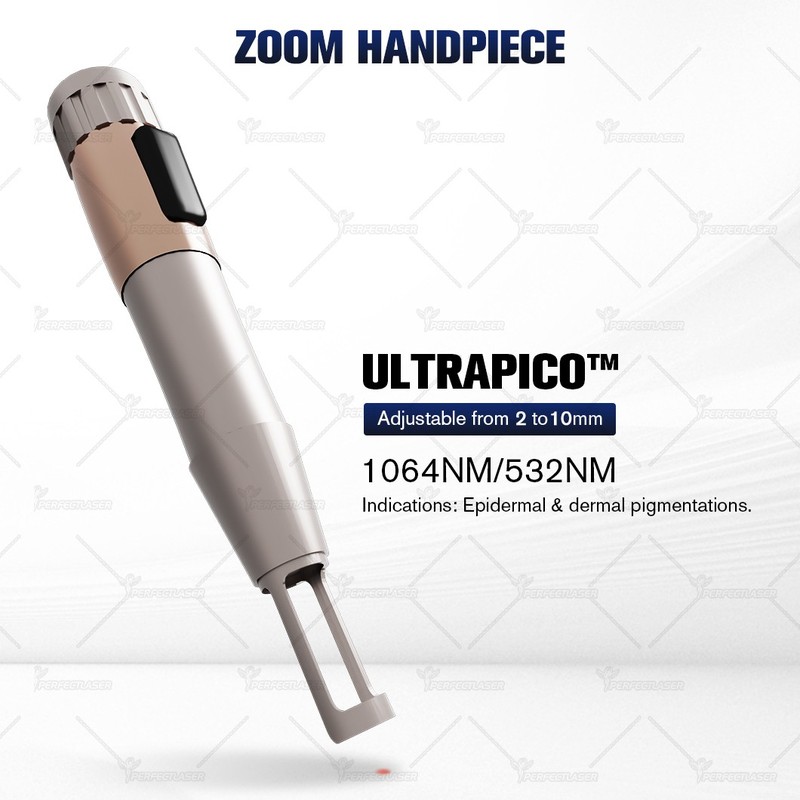
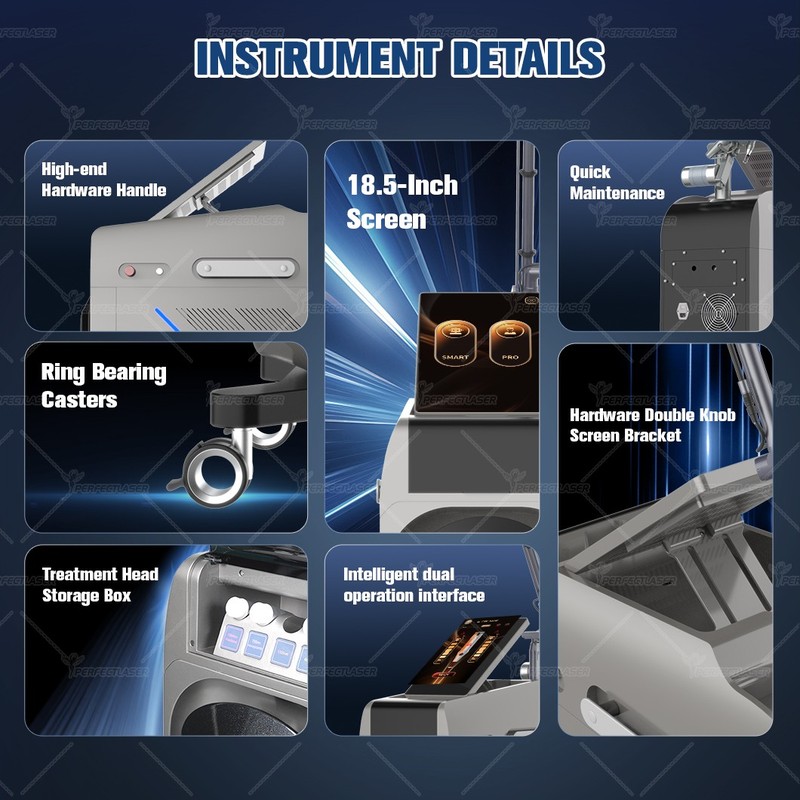
OEM founders control more than they expect and less than they hope. You control the configuration the factory builds — wavelengths and handpieces, interface language and branding, cooling choices within the factory’s platforms — and you should control the after-sales promise your brand makes, because that is your margin and your reputation. You rarely control the core optical design, which is the factory’s engineering asset and usually the right thing to leave with them. The specification document is the contract’s center: name the exact configuration, the documentation set, the quality checks, the component sources, the service data and the spares commitment, and get the factory’s written confirmation that the production unit matches the spec. Brands that specify loosely receive machines that match the factory’s convenience; brands that specify precisely receive machines that match their promise — and the difference shows up in every review your customers write.
Quality, Inspection and the Batches You Cannot See
Your brand ships machines you will never see individually, which makes inspection the trust mechanism. Agree the quality standard in the contract — the component sources, the assembly checks, the test protocol each unit passes before packing — and agree how you verify it: pre-shipment inspection reports, sample units sent for your own testing, video inspections of the production line, or a third-party inspection service for larger batches. Keep the first units for your own bench: a brand founder who has run the machine, read the manual as a customer would and filed the documents personally is a founder who can defend the product. The batches you cannot see are exactly why the quality agreement matters more than the price agreement, and the factories that welcome inspection are the ones worth branding.
The Exclusivity and Commitment Conversation
Building a brand on a machine your competitor can also buy is building on sand, which makes exclusivity the conversation that defines the deal. Ask the factory the direct questions: can your design be sold to others, is there a minimum order that protects your territory, how does the factory handle a competitor approaching with your specification, and what happens to your supply if a bigger buyer appears? Written exclusivity with defined terms is the healthy answer; verbal comfort is not a term. The longer commitment also deserves a contract: the spares commitment, the documentation updates, the roadmap for firmware and model evolution, and the service training your partners need. A brand is a long game played with a factory, and the founders who treat the relationship as a partnership with written terms are the ones whose brands survive the first competitor’s copycat.
From Factory to Market: The Launch Logistics
Launch day is a logistics exercise wearing a marketing costume. The units need freight and customs clearance, the compliance file needs to be complete in your market, the spares shelf needs stocking before the first sale, and your service channel needs training before the first support call. Marketing can start before the machines land — the pre-launch inquiry list, the demo units for early partners, the documentation pack for serious buyers — but the support reality must be ready the day the first unit ships, because a brand’s first reviews are written by the first customers, and first customers forgive hardware problems faster than silence. Ask the factory what launch support it provides — sample units, inspection cooperation, documentation customization, service training — and time the launch so the logistics finish before the marketing starts, not after.
The First-Year Roadmap for an OEM Brand
Brands that launch OEM products survive the first year on a roadmap, and the roadmap has four quarters with different jobs. Quarter one belongs to the paperwork: specification locked, documentation customized, compliance file complete, sample units on your bench and the first batch ordered. Quarter two belongs to the proof: demo units with early partners, the service channel trained, the spares shelf stocked and the first support cases handled in a way worth repeating. Quarter three belongs to the market: the documentation pack working for serious buyers, the first reviews collected honestly, and the inquiry funnel that the pre-launch built converting to orders. Quarter four belongs to the relationship: the first service review with the factory, the roadmap conversation about firmware and models, and the volume forecast that earns the next exclusivity term. Founders who run the year in quarters rarely describe it as calm — they describe it as known, which is the better word for a brand being built on someone else’s production line.
FAQ (questions fréquentes)
1. What is the difference between OEM and private label?
Private label puts your brand on an existing model; OEM builds to your specification — your configuration, interface and documentation, with exclusive or semi-exclusive rights in the strongest arrangements. Name the deal you are signing, because the terms decide whether your machine is yours alone.
2. What documentation do I need for my own brand?
Model-specific regulatory coverage for your markets — 510(k) references for the US, CE or UKCA documents for Europe and the UK — plus the manual, settings tables and service documentation under your brand, with revision control you own. In OEM, the factory writes most of it; your brand carries it.
3. Can I get an exclusive design?
Exclusivity is a negotiable term, not a default — ask whether your design can be sold to others, what order volume protects your territory, and how the factory handles copycat approaches. Written exclusivity with defined terms is the only version that protects a brand.
4. What minimum order should I expect for OEM?
Minimums vary with configuration and the factory’s production economics, and the honest number balances your cash flow against the factory’s need for a committed run. Negotiate the volume tier together with exclusivity, spares and documentation — they are one deal, not separate ones.
5. How do I verify quality on machines I never see?
Agree the quality standard in the contract — component sources, assembly checks, test protocol — and verify it through inspection reports, sample units on your own bench, video audits or third-party inspection. The batches you cannot see are why the quality agreement matters more than the price.
Ready to put your name on a machine that can carry it? Request the OEM requirement sheet from laser parfait‘s team — configuration options, documentation customization, exclusivity terms and sample-unit policy for the Picosecond Laser Tattoo Removal Machine range — and the conversation starts with the paperwork your brand will live or die on.
 English
  Arabic
  Chinese
  Dutch
Dutch  French
  German
  Italian
  Portuguese
  Russian
  Spanish