
Comment les progrès technologiques affecteront-ils le prix des lasers picosecondes en 2026 ?
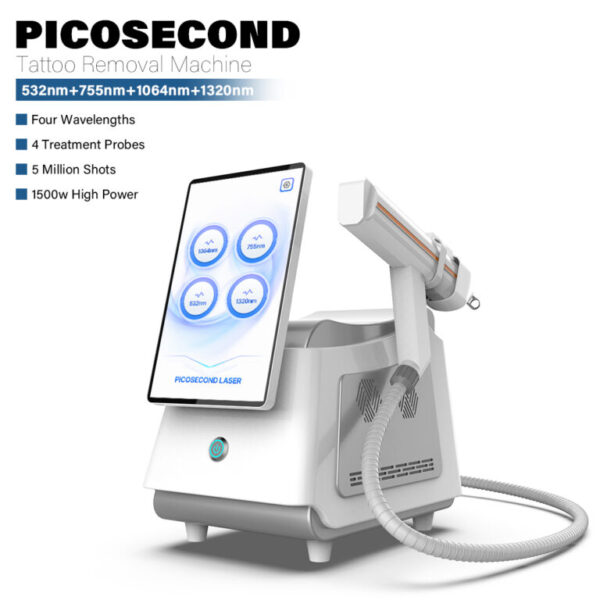
D’ici 2026, l’évolution de laser de picoseconde La technologie reposera sur trois innovations majeures : la durée d’impulsion, la longueur d’onde et l’énergie. D’ores et déjà, les différents appareils disponibles sur le marché proposent plusieurs longueurs d’onde, permettant ainsi, à l’avenir, de traiter un plus grand nombre d’indications avec un seul laser. On peut citer, par exemple, quatre longueurs d’onde : 532 nm, 755 nm, 1064 nm et 1320 nm. Ce choix influe directement sur la complexité et le coût de production. Des niveaux d’énergie plus élevés, généralement compris entre 100 et 2000 mJ par impulsion selon la configuration du système, permettent une élimination plus précise des tatouages et des pigmentations. Ceci requiert également des systèmes de refroidissement performants et des composants optiques de haute qualité afin de garantir un fonctionnement stable.
L'utilisation d'outils de diagnostic assistés par l'IA est actuellement explorée dans certains systèmes avancés, notamment pour les modèles haut de gamme. Ces outils améliorent la précision des traitements, mais augmentent le prix global des appareils laser picosecondes. Les systèmes multifonctionnels compacts, combinant épilation et détatouage, séduiront les cliniques recherchant un retour sur investissement élevé. À titre d'exemple, découvrez notre « appareil de beauté 2-en-1 », la solution idéale pour des soins esthétiques polyvalents. Cet appareil innovant associe la puissance de l'épilation laser diode 808 nm à la précision du détatouage laser picoseconde. Ces systèmes nécessitent un investissement initial plus important.
Quel rôle jouent la qualité des matériaux et des composants dans le coût des lasers picosecondes ?
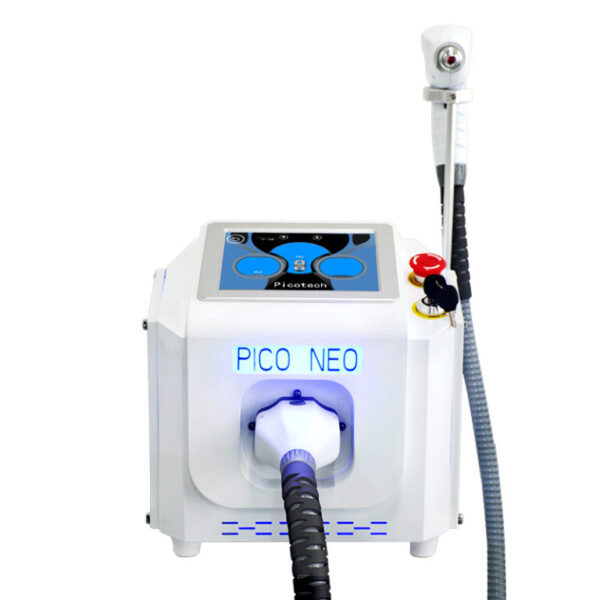
La qualité des matériaux reste le critère le plus important pour l'achat. prix d'un laser picosecondeLes composants optiques de haute qualité, le matériau laser robuste et le refroidissement efficace garantissent un fonctionnement optimal et une disponibilité maximale du laser tout au long de sa durée de vie. Le système de refroidissement double (« REFROIDISSEMENT : Eau + Air ») accroît la disponibilité du laser, mais augmente les coûts de production. La précision de fabrication des composants réduit considérablement le besoin d'étalonnage et les temps d'arrêt pour maintenance, ce qui se traduit par des coûts de maintenance réduits à long terme. La durabilité des pièces internes, telles que les sondes, influe également sur le prix. Les cliniques qui investissent dans des appareils de haute qualité bénéficient d'une alimentation énergétique stable et de meilleurs résultats pour leurs patients.
Comment la réputation d'une marque influence-t-elle le prix des lasers picosecondes ?
La réputation de la marque joue un rôle primordial dans la valeur perçue d'un laser picoseconde. Un fabricant établi comme Perfectlaser pratique des prix plus élevés grâce à sa réputation éprouvée de fiabilité, de robustesse et à son service après-vente de premier ordre. Ce dernier comprend notamment les étalonnages, les mises à jour logicielles et les formations utilisateurs. Ces services garantissent des performances optimales tout au long du cycle de vie de l'équipement. Pour les professionnels, la couverture de la garantie et l'assistance technique sont des facteurs déterminants dans le choix d'une machine PicoLaser.
Combien coûte une machine laser picoseconde en 2026 ?
Quelle est la fourchette de prix prévue pour les machines laser picosecondes sur différents marchés ?
En 2026, le prix moyen d'un laser picoseconde devrait se situer entre 50 000 et 60 000 dollars pour un système de base et entre 10 000 et 10 000 dollars pour un système multi-longueurs d'onde de haute qualité. Ce prix moyen peut varier d'une région à l'autre en raison des droits d'importation, des certifications et des circuits de distribution. En Amérique du Nord, par exemple, les prix sont plus élevés qu'en Asie et en Europe, du fait des coûts de mise en conformité.
Les cliniques qui exigent La personnalisation OEM peut entraîner des coûts supplémentaires. Notre service OEM Machine d'enlèvement de tatouage laser Picosecond Elle permet une personnalisation complète, garantissant ainsi que l'appareil soit adapté aux exigences uniques de votre marque. Une telle flexibilité séduit les entreprises qui cherchent à différencier leurs services grâce à des équipements de marque.
Quel est le prix d'un laser picoseconde par rapport aux autres appareils de détatouage ?
Lorsqu'on compare le coût d'une machine de détatouage à celui des appareils nanosecondes, les lasers picosecondes affichent généralement un prix d'achat plus élevé, souvent de 30 à 50 % supérieur. Pourtant, ils permettent un détatouage plus rapide. La précision énergétique supérieure de ces lasers réduit le nombre de séances nécessaires par client, ce qui se traduit par un retour sur investissement plus rapide pour les cliniques. Contrairement aux anciens modèles Q-switched, les lasers picosecondes minimisent les traumatismes cutanés tout en fragmentant les pigments plus en profondeur.
Pourquoi les forfaits de services ont-ils une incidence sur le coût total d'un laser picoseconde ?
Au-delà du prix de base, le coût total de possession dépend des services choisis. Ceux-ci incluent les extensions de garantie, les contrats de maintenance périodique et les formations pour les opérateurs. Ils engendrent des frais initiaux, mais garantissent des performances constantes dans le temps. Les plans de financement ou les options de location permettent d'échelonner les paiements mensuellement. Ils peuvent légèrement augmenter le coût total en raison des intérêts. De nombreuses cliniques privilégient les contrats de services groupés, car ils minimisent les temps d'arrêt pendant les périodes de forte activité.
Comment le coût du détatouage au laser picoseconde évoluera-t-il d'ici 2026 ?
Quel est le coût moyen d'une séance de détatouage en 2026 ?
Le coût moyen de enlèvement de tatouage laser Aux États-Unis, le prix moyen d'une séance en 2026 devrait se situer entre 200 et 500 dollars, selon la densité de l'encre et l'emplacement du cabinet. Cette hausse modérée s'explique par l'inflation et les mises à jour régulières des équipements. Les établissements haut de gamme utilisant des systèmes pico avancés peuvent justifier des tarifs plus élevés grâce à une décoloration plus rapide et à des risques réduits.
Quel est le prix du détatouage au laser par rapport aux méthodes traditionnelles ?
Le coût du détatouage au laser picoseconde reste supérieur à celui des procédures traditionnelles utilisant la technologie nanoseconde. Cependant, le nombre de séances nécessaires est réduit. La durée d'impulsion ultracourte optimise la fragmentation de l'encre tout en minimisant les dommages thermiques à l'épiderme. Notre appareil de détatouage au laser picoseconde utilise une durée d'impulsion ultracourte, mesurée en picosecondes. Les patients bénéficient ainsi d'un temps de récupération plus court et de meilleurs résultats esthétiques qu'avec les méthodes conventionnelles.
Quels sont les facteurs qui déterminent le coût moyen d'un détatouage en clinique ?
Plusieurs facteurs opérationnels déterminent le coût moyen d'un détatouage. Il s'agit notamment des échéanciers d'amortissement du matériel, des taux d'utilisation des consommables, des salaires des techniciens, des stratégies marketing ciblant une clientèle haut de gamme et des frais généraux liés à l'emplacement de la clinique. Les appareils offrant une flexibilité multi-longueurs d'onde, tels que le traitement au laser carbone pour l'élimination des pigments et le détatouage, justifient des tarifs plus élevés. Ils traitent efficacement différents types de pigments.
Pourquoi les cliniques devraient-elles évaluer le prix d'une machine laser picoseconde avant de l'acheter ?
Comment calculer le retour sur investissement en fonction du coût d'un laser picoseconde ?
Pour déterminer leur rentabilité potentielle, les cliniques doivent évaluer le volume de traitements prévu en fonction des délais d'amortissement. La prise en compte des taux de fidélisation des patients dans les projections permet d'estimer une croissance durable des revenus sur plusieurs années. Comparer l'achat et la location permet de mieux appréhender l'exposition financière. La location réduit l'investissement initial. L'acquisition peut générer des rendements plus importants à long terme une fois l'amortissement stabilisé.
Quels sont les coûts cachés liés à la possession d'une machine picolaser ?
L'acquisition d'un bien d'équipement engendre des coûts récurrents après le paiement du prix d'achat initial. Ces coûts comprennent notamment le remplacement des pièces d'usure et autres consommables. Le matériel nécessite un étalonnage régulier et le renouvellement périodique des certificats de conformité, conformément aux exigences des autorités locales. Il faut également prévoir la formation du personnel à l'utilisation sécuritaire et à l'optimisation de la durée de vie du matériel.
Comment les tendances du marché influenceront-elles les prévisions de prix des lasers picosecondes au-delà de 2026 ?
Quelles conditions économiques pourraient avoir un impact sur les prix futurs des lasers picosecondes ?
Les difficultés d'approvisionnement mondiales peuvent limiter la disponibilité de composants tels que les éléments optiques ou les semi-conducteurs utilisés dans les systèmes à très haute puissance et haute énergie. Les fluctuations monétaires, qui impactent les marges commerciales des fabricants via la distribution, peuvent également constituer un obstacle au commerce international. Les pratiques de fabrication durables influencent de plus en plus l'approvisionnement en matières premières, comme le saphir ou le cristal utilisés pour le refroidissement ou comme tige dans les systèmes laser de haute puissance.
Comment les demandes des consommateurs modifient-elles la dynamique des prix des machines laser picosecondes ?
Les attentes des consommateurs évoluent vers des solutions esthétiques non invasives plus sûres et nécessitant un temps de convalescence minimal. Cette demande stimule la concurrence entre les fournisseurs qui développent des conceptions modulaires adaptables à de multiples traitements, comme la correction de la pigmentation ou les soins du visage au carbone. Ces conceptions ont un impact direct sur les prix de base. La sensibilisation croissante aux normes de sécurité dermatologique encourage l'investissement dans des technologies de précision, ce qui justifie des valorisations boursières plus élevées.
FAQ (questions fréquentes)
Q : Quel sera le prix d'une machine laser picoseconde en 2026 ?
A: Le prix des machines laser picosecondes de qualité professionnelle en 2026 se situe entre 500 000 et 600 000 dollars, selon la configuration et les options incluses.
Q : Qu'est-ce qui influence le plus le prix d'une machine de détatouage au laser picoseconde ?
A: Nous avons pris en compte des critères clés, notamment la précision de la durée d'impulsion, le niveau d'énergie maximal jusqu'à 2000 mJ, la fiabilité de la marque, y compris l'assurance qualité de l'ingénierie Perfectlaser, la garantie et le service après-vente fournis par la marque.
Q : Quel est l'avantage de la technologie picoseconde par rapport aux lasers nanosecondes pour le détatouage ?
A : Bien que le coût initial de la machine picolaser soit plus élevé, souvent d'environ la moitié, elle offre des taux de traitement plus rapides qui réduisent le nombre total de séances par client.
Q : Quel est le coût moyen d'une séance de détatouage au laser aux États-Unis en 2026 ?
A: Le coût moyen d'une séance de détatouage au laser aux États-Unis en 2026 devrait se situer entre 200 et 500 dollars, selon la complexité de la couleur de l'encre et la région de la clinique.
Q : Comment les cliniques peuvent-elles gérer efficacement le coût total du laser picoseconde ?
A: Les cliniques peuvent maîtriser leurs dépenses en négociant rapidement des contrats de maintenance groupés et en programmant des interventions préventives régulières. Des plans de financement adaptés aux prévisions de volume de patients optimisent davantage la gestion des flux de trésorerie tout au long des cycles financiers.
 English
  Arabic
  Chinese
  Dutch
Dutch  French
  German
  Italian
  Portuguese
  Russian
  Spanish