
“Your wholesale price is higher than the listing I screenshotted.” That sentence came through on a call two weeks ago, from a distributor who already moves a handful of single-wavelength units a month and wanted to add a dual line. He was not wrong about the gap. He was comparing two different objects. A thulium laser machine bought at wholesale is a bundle, and the bundle is where margin is won or lost.
So here is the structure we walk a distributor through. No figures, because figures follow configuration. Price against the wrong configuration and the line looks expensive. Price against the right one and the same unit looks cheap.
Where the Comparison Usually Breaks
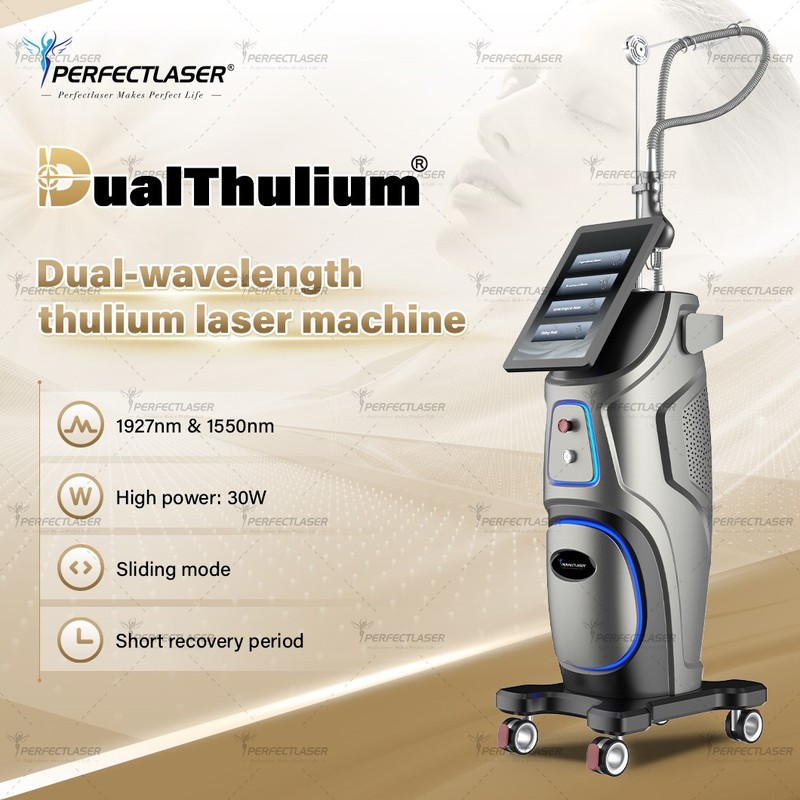
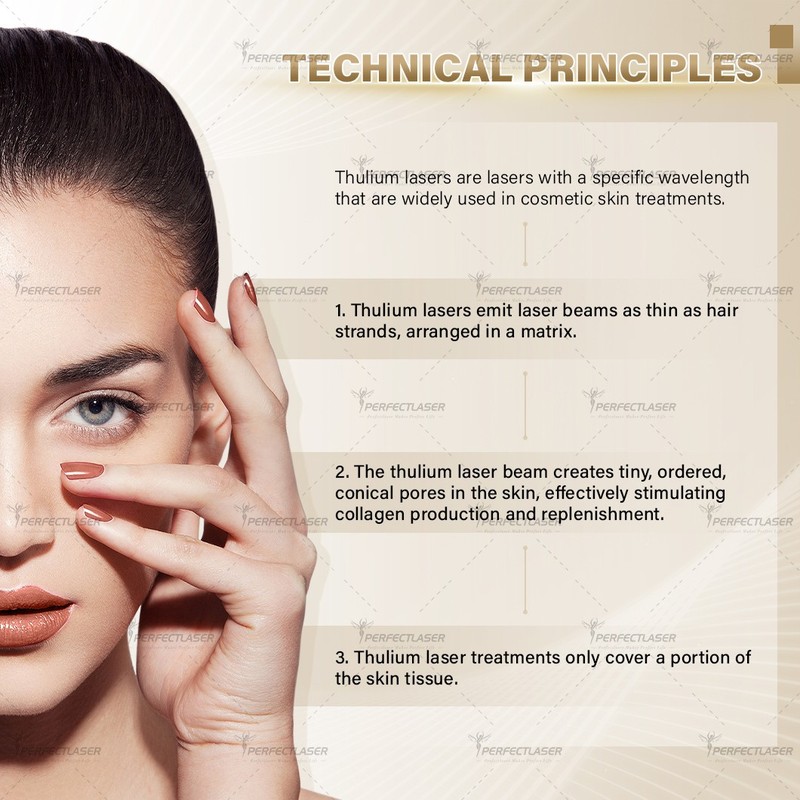
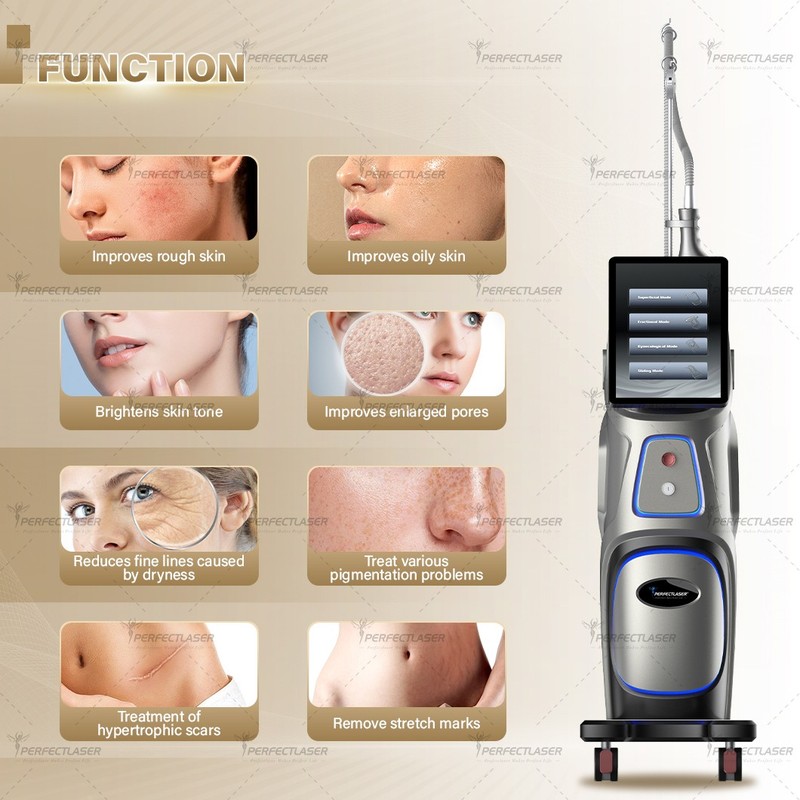
The listing he screenshotted was a base unit. One handpiece, standard cart, no spares, no mode kit. What a distributor actually quotes is a working thulium laser machine: 1927nm and 1550nm in one console, 30W output on a 400W machine platform, a 15.6-inch interface, and four modes — Superficial, Fractional, Gynecological, Sliding. Add the three vaginal probes the gynecological mode needs and the comparison is over. So is the buyer who only needs resurfacing and is paying for probes they will never open.
Name that mismatch out loud on the first call. Distributors who skip it spend three weeks negotiating a discount that was never the issue.
Three Things a Distributor Should Price Against
Start with the mode mix your market will actually sell. A territory of dermatology clinics pulls toward Fractional and Superficial. A territory with gynecology practices pulls toward a probe-heavy configuration, and probe count becomes a line item of its own. Second, the service load your geography implies. A Coherent fiber rated at 10,000 hours sets the spare-parts budget differently from a shorter-life source, and freight distance decides how much of that budget sits in your warehouse. Third, the commercial frame: MOQ tiers, payment schedule, demo unit treatment, territory protection.
Notice what is not on the list. Discount percentage. A distributor who negotiates only on percentage tends to receive a thinner bundle and a worse margin per installed unit, because the missing handpiece or training slot gets bought later at retail — by the clinic, out of your service budget.
The Line Item to Build Before You Quote
| Line | What belongs in it | Why it moves the price |
|---|---|---|
| Platform | 1927nm + 1550nm head, 30W, 15.6″ screen | Two sources, one console |
| Mode kit | Gynecological probes (three), sliding handpiece | Mode mix decides probe count |
| Spares | Fiber, handpiece cable, fuses | Fiber life drives the reserve |
| Launch | Operator training, parameter sheets | Cuts post-sale support calls |
| Commercial | MOQ tier, payment terms, demo unit | Sets working capital |
A Four-Unit Inquiry, Priced Three Ways
Last week an inquiry landed from a distributor supplying three clinics in one city, asking for the same thulium laser machine four times over. Four units, then a request to “strip them to the bone” to hit a landed-cost target. We priced it three ways: four base units; two base plus two gynecological-configured; four full bundles sharing one spares kit. Identical quantity, three different margins per installed unit. The shared spares kit won, because the reserve was bought once instead of four times, and the clinics still each received a complete mode set.
That is the wholesale conversation about a thulium laser machine in a single line: volume buys terms, configuration buys margin, and the two are negotiated separately or not at all. A distributor who can show a clinic the difference between a base unit and a configured one stops defending a number and starts explaining a package.
If you are building a line and want the modes, probes and spares quoted as separate lines so you can see what each one adds, laser parfait can prepare that breakdown against your territory.
 English
 Arabic
 Chinese
 Dutch
 French
 German
 Italian
 Portuguese
 Russian
 Spanish