
Short answer: the configuration that fits a single-room studio is not a smaller version of the one a multi-room clinic needs — it is a different answer to a different question. A studio buys one picosecond console that must cover every case in its diary, while a clinic buys capacity, uptime and a division of labour across rooms. Getting the match wrong is expensive in both directions.
Buyers often shop for a machine and only afterwards ask what the site needs to do with it. Reversing that order changes the shortlist. A single-room studio has one console standing in for its entire service menu, so coverage per unit matters more than throughput. A clinic with several rooms is buying a system: whether each room needs its own machine, how a shared console is scheduled, and how quickly a service visit can be absorbed without cancelling bookings. The Pico Laser Tattoo Removal Machine specification lines you compare are the same ones in both cases — wavelengths, pulse class, energy range, interface, power and support — but the weight you give each line moves with the shape of the business.
What Changes When the Business Has More Than One Room
Adding a room changes four things at once, and only one of them is about the laser. Capacity changes: two treatment beds served by one console means one bed waits, so the real constraint becomes scheduling rather than equipment. Uptime changes in importance: in a studio a service day costs a fraction of the week, while in a clinic it can cancel several operators’ diaries, which is why service response time and spare-parts availability climb the comparison file. Labour changes: with two or more operators running the same platform, settings consistency becomes a management task, and the saved profile system plus a written protocol stops each operator reinventing the approach. Investment changes shape: a clinic’s decision is not “which machine” but “how many machines, of which configuration, replacing or supplementing what we already own”. Each of those shifts the criteria away from headline capability and towards the operational lines.
Configuration for the Single-Room Studio
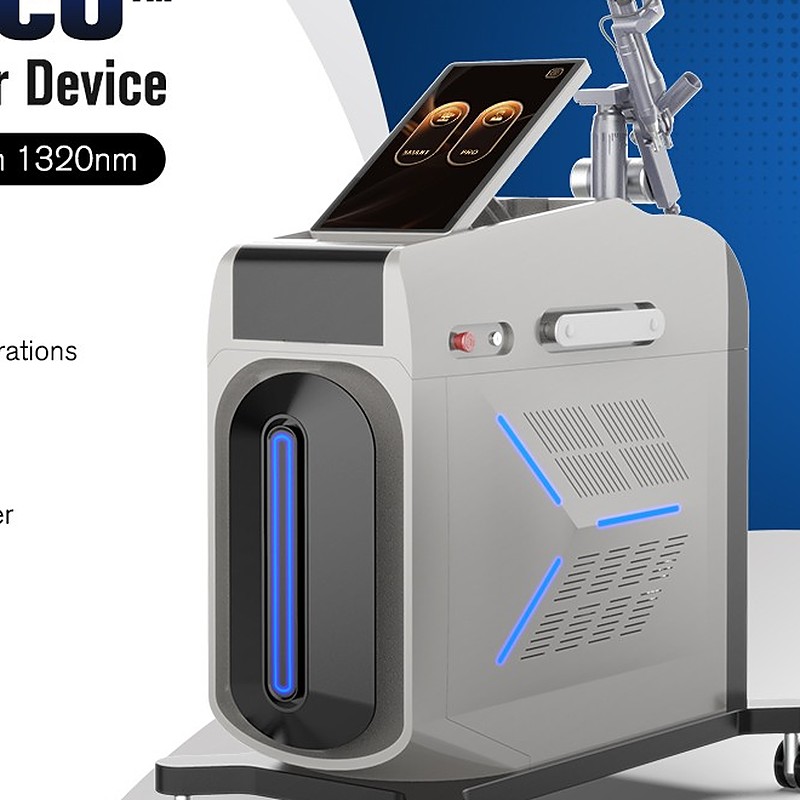
A studio’s picosecond console has to carry the whole menu, so coverage is the first criterion. Wavelength breadth does the heaviest lifting: the documented UltraPico set lists 1064/532, 755 and 1320 as standard wavelengths with 585nm and 650nm available as options, which means one studio console can address dark inks, coloured work and pigmentary cases without a second purchase. Energy range matters for a different reason in a small room, because a single operator moves from dense dark work to fine cosmetic cases within the same day; the 100–500mJ envelope spans that spread, and an 18.5-inch color screen with saved settings turns the transition into a preset rather than a recalibration. The remaining lines are the ones a studio cannot afford to treat casually: 110V/220V compatibility settles the electrical question in a leased unit, the 2-year warranty and the FDA/RoHS/CE documentation file answer the landlord and insurer, and the spares list decides whether a wear item costs a day or a fortnight of bookings. A studio buys capability and availability together, because it has nowhere else to move the work.
Configuration for the Multi-Room Clinic
A clinic buys differently because it can absorb, but not ignore, interruption. The first question is distribution: whether each treatment room runs its own console, or one console serves two rooms on a shared timetable. Own-console-per-room maximises booking flexibility and total capital outlay; a shared console concentrates utilisation and requires discipline at the front desk. The second is standardisation — if every room runs the same platform and the same configuration, an operator can move between rooms without relearning settings, and training investment is amortised across the team rather than attached to one person. The third is the support envelope: with several machines in one building, spare-parts stocking, service visit frequency and the warranty claim route become operational lines with real cost attached, and a supplier who can service a multi-unit site in one visit is worth more than a marginally lower unit price. A clinic’s specification should therefore repeat a consistent wavelength set across rooms and put its negotiating effort into service terms, lead times and the documentation file.
The Throughput Arithmetic That Separates the Two Cases
Throughput is where configuration and floor plan meet, and it is worth doing on paper before the order. A studio’s realistic ceiling is the number of sessions one operator can deliver in a week at the pace their protocol requires, multiplied by the rooms available — which for a single room is one. A clinic’s ceiling depends on beds and staff, not on the machine’s maximum repetition rate, and the substitution that decides the purchase is whether an additional planning-hour of capacity is cheaper than a second console. The lines from the specification that feed this arithmetic are the energy range and repetition rate, because they influence how long a session takes at the settings a case requires, and the interface, because saved profiles shorten the changeover between cases. Neither line can be read as a promise of session counts, and no supplier can tell you how many clients your diary will hold — but the arithmetic makes the comparison concrete, and it usually shows whether a second room needs a second machine or merely a better timetable.
Shared Console or Machine Per Room
The shared-console question is decided by three measurements: how often two rooms would want the machine at the same time, how long a session runs in each service lane, and what a cancellation costs you. If conflicting demand happens a few times a month, a timetable absorbs it. If it happens most days, the machine is not the constraint and the second console pays for itself in recovered bookings — provided the room, the operator and the diary exist to use it. A middle path that clinics use well is a mixed fleet: a full-configuration console in the main room for complex and cosmetic work, and a narrower, cheaper configuration in a second room for mainstream dark-ink sessions. That arrangement keeps the expensive capability wherever the difficult cases land and avoids paying full configuration prices for rooms that only ever run routine work.
Service, Spares and Uptime Across a Larger Site
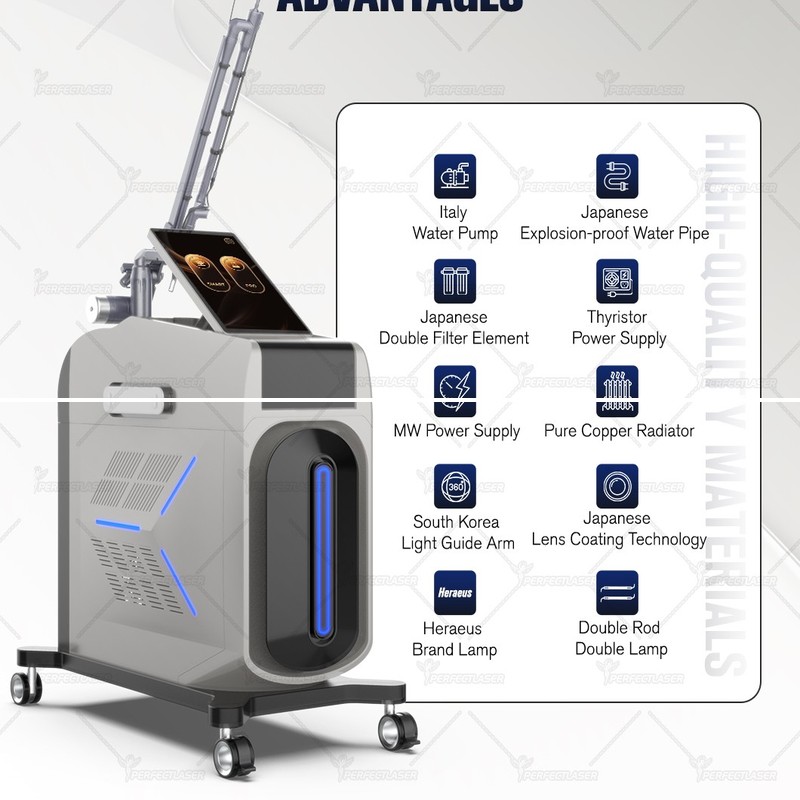
Uptime is the line that grows in value with the size of the site. A clinic should negotiate service terms deliberately rather than accepting whatever accompanies the order: response time in working days, whether the supplier services multiple units in a single visit, the spare-parts list with lead times for every wear item, and how warranty claims are raised and tracked. The documentation file deserves the same attention, because a multi-room site faces more scrutiny — more staff, more records, and often an insurer or inspector asking how equipment condition is assured across the building. Keep one service log per machine, referenced to the same schedule, so that the answer to that question is a document rather than a reconstruction. The practical test of a supplier at this scale is unglamorous: ask them to describe how they would service three units in one building during a busy quarter, and listen for specifics.
Deciding Between the Two Shapes of Purchase
The decision is easier once the question is stated correctly. A studio should ask which single configuration makes the widest share of its diary treatable, then protect availability with a spares shelf and a service schedule. A clinic should ask how much capacity it needs per room, whether a shared console costs more in cancellations than a second machine costs in capital, and how much standardisation is worth across operators.
| Consideration | Single-room studio | Multi-room clinic |
|---|---|---|
| Primary criterion | Coverage from one console | Capacity and uptime across rooms |
| Wavelength set | Broadest practical set, options weighed | Consistent set repeated per room |
| Interface | Saved profiles for quick case changes | Standardised settings across operators |
| Second machine | Not applicable | Justified when demand conflicts most days |
| Spares | Small shelf for critical wear items | Site-level stock against lead times |
| Service terms | Schedule around the diary | Multi-unit visits and response time negotiated |
| Documentation | File for landlord and insurer | Log per machine, common schedule |
FAQ (questions fréquentes)
1. Can one pico laser machine serve two treatment rooms?
It can if the two rooms rarely need it at the same time. Measure how often demand conflicts over a month and what a cancellation costs; if conflicts are frequent, the second console usually pays for itself in recovered bookings rather than in machine capability.
2. Which wavelength set should a small studio buy?
The broadest set its expected case mix justifies. In this configuration 1064/532, 755 and 1320 are standard, with 585nm and 650nm available as options — the options are worth quoting only when the studio’s diary actually contains the cases they serve.
3. Do clinics need identical machines in every room?
Standardisation is worth real money: operators move between rooms without relearning settings, training investment covers the whole team, and the spares shelf serves every unit. A mixed fleet can still work when second rooms run only routine work.
4. What matters more as the site grows — price or service?
Service terms grow in value with the number of machines in a building. Response time, multi-unit visits, spare-parts lead times and the warranty claim route decide how much a breakdown costs you, and those lines should be negotiated rather than inherited.
5. How do I compare configurations from two suppliers fairly?
Put the same lines in writing for both: wavelength list with standard and optional items, pulse class, energy and repetition envelope, interface, voltage, warranty terms, documentation file and service route. Compare delivered totals for identical configurations rather than headline prices for different ones.

If your floor plan and diary are still arguing with each other, send both to the laser parfait team along with the case mix you expect — a written recommendation for the Pico Laser Tattoo Removal Machine configuration that fits your rooms is a cheaper conversation than correcting an order that was sized for the wrong business.
 English
 Arabic
 Chinese
 Dutch
 French
 German
 Italian
 Portuguese
 Russian
 Spanish