
Line seven of the quotation reads “main unit — standard configuration,” and the figure sits alone in the right-hand column as if it explains itself. It does not. The price of a microneedling machine is a stack of decisions compressed into one total, and until that stack is opened line by line, two suppliers can look far apart while selling the same hardware with different paperwork attached.
Breaking the total into its parts
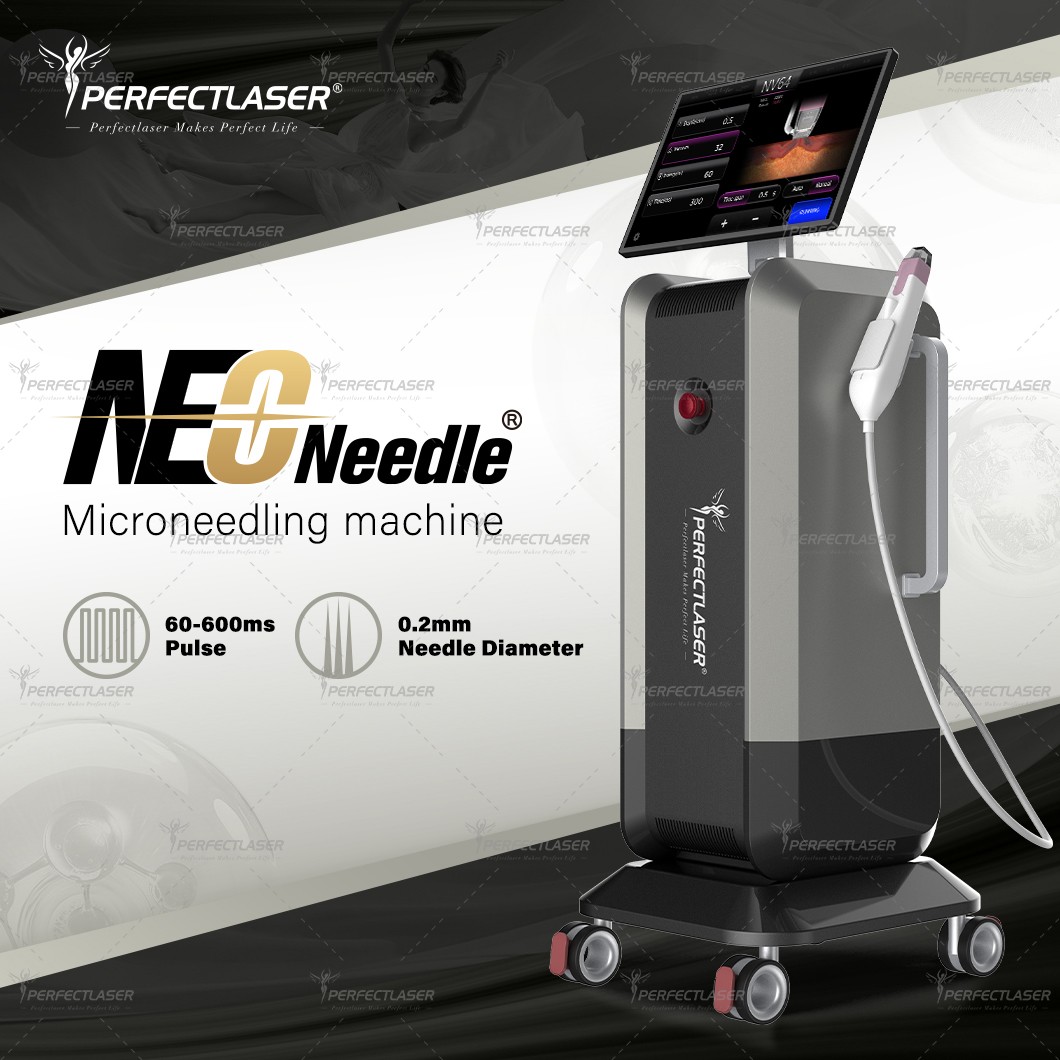
The handpiece carries the motor, the spring-loaded depth mechanism and the contact sensor. The control board sets pulse width and drive frequency. Cartridge tooling — the mould and the assembly jig behind each needle family — is a separate cost centre, and often a separate building. Enclosure, screen, foot switch and cabling close the list.
Ask which of those the seller makes and which they buy in. A factory that winds its own handpieces and moulds its own cartridges prices differently from an assembler of imported parts. Neither is automatically the right answer. The buyer simply needs to know which conversation is happening.
The specifications that actually track the money are unglamorous. On a professional microneedling machine, depth runs from 0.2mm to 7.0mm, pulse width from 60 to 600ms, drive frequency at 700KHz±20% or 2.2MHz±20%. Paint and logo cost little. The motor set costs a great deal.
What moves the figure between two factories
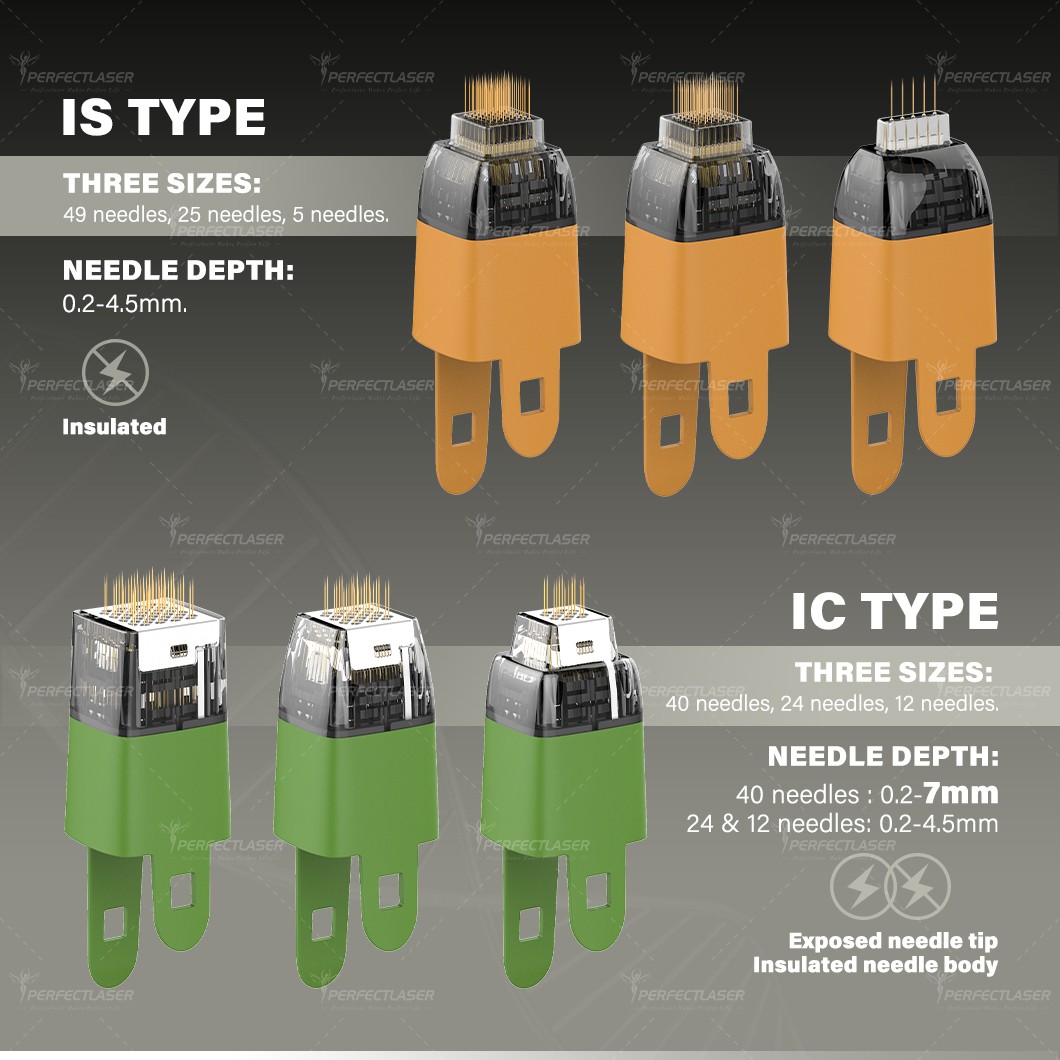
The configuration of the microneedling machine leads. One handpiece or two. Which needle families ship in the box — NV, IS, IC, THERMAL — and whether the front panel uses an existing mould or needs a new one cut. Paperwork follows: test reports, declarations, and whatever the destination market demands, each with its own schedule and its own charge.
Then logistics. A unit braced for air freight is packed differently from one going by sea, and the Incoterm decides who absorbs freight, insurance and duty. A quote that reads lower under one term can invert under another without a single price line changing.
Volume affects the unit less than most buyers assume. It affects cartridges enormously, because tooling and set-up spread across the run, and a small first order simply carries more of that burden.
Problems that surface after the deposit
Three patterns repeat often enough to predict. The cartridge line is left as “to be confirmed,” so the hardware lands and the consumable price is negotiated later, with no alternative supplier qualified. The warranty is stated in months but excludes the handpiece, which is the part that fails. The packing list quietly drops the spare-parts kit that the sample unit included.
Put two quotes side by side and the shape of the difference appears.
| Line | Quote A | Quote B |
|---|---|---|
| Handpiece | One, listed | Two, listed |
| Cartridge family | One family, itemised | To be confirmed |
| Spare kit | Included | Absent |
| Freight | Excluded | Included to port |
| Warranty cover | Board only | Board and handpiece |
| Payment terms | Balance before shipment | Balance against documents |
Quote B is not cheaper or dearer in any meaningful sense. It is a different product with a different service promise, and the only honest comparison runs down the itemised rows rather than across the totals.
Quick answers
Does a higher price mean a better unit? Not on its own. Ask for handpiece torque, needle count per family, and driver frequency. Those three answers say more than the headline number.
Should cartridges be bought with the microneedling machine? Yes, at least one full family, so the first month of treatments does not depend on a second negotiation.
What if the factory refuses to itemise? Then the margin is hidden somewhere in the total, and the buyer will find it after delivery rather than before.
Is a trading company always a bad sign? No, but it changes who answers when a handpiece fails in month four.
Laser perfetto quotes a microneedling machine by line rather than by headline and will send the itemised sheet before any deposit is due. Ask for it, read it beside a second sheet, and the figure stops being a mystery.
 English
 Arabic
 Chinese
 Dutch
 French
 German
 Italian
 Portuguese
 Russian
 Spanish