
Short answer: wholesale buying means buying the machine, the freight, the compliance work and the service plan as separate lines instead of one bundled price. Factory-direct routes from China offer the lowest unit cost; brand distributors sell delivery, documentation and local support — and the buyer who knows which lines each quote actually covers wins the comparison.
Wholesale Picosecond Tattoo Removal Machine buyers sit between two worlds: the factory-direct route that made their margin possible and the brand distributor route that made their first machine easy. The mature answer is not to pick a side but to understand the price structure — because wholesale comparisons fail when the lines are different, and the lines are almost always different. This guide breaks down what each route actually sells, what a wholesale quotation must contain, and the volume, compliance and service math that decides which route fits your operation. Wholesale is a discipline, not a discount; the buyers who treat it that way keep the margin, and the ones who treat it as a price list discover the difference later.
What Each Route Actually Sells
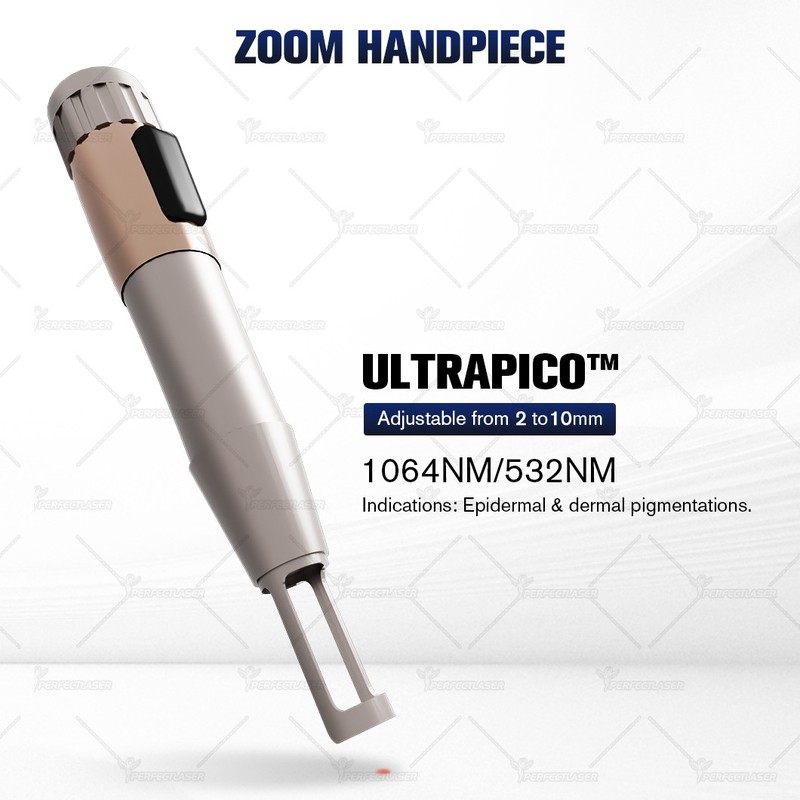
A brand distributor sells a machine plus everything around it: local inventory, installation coordination, documentation in your market’s language, a warranty you can enforce locally and a support desk in your time zone. A factory-direct wholesaler sells the machine at the port, with the rest of the value chain priced separately — freight, duties, commissioning, training and service are your lines to organize. Neither route is dishonest, and neither is automatically cheaper; they are different risk and margin profiles wearing different price tags. The wholesale buyer’s skill is reading which profile fits the operation: an importer with a customs broker, a technician and a spare-parts shelf can make factory-direct genuinely cheaper, while an operator whose first language of support matters more than the unit price is better served by the distributor — and knowing which one you are is the whole exercise.
The Wholesale Quotation: Six Lines That Must Appear
| Line | Factory-direct quote | Brand distributor quote |
|---|---|---|
| Unit price and configuration | FOB or EXW basis stated | Often door-to-door or delivered |
| Handpieces and spares included | Ask explicitly | Usually itemized |
| Freight and insurance | Your port, your risk | Often included or precisely quoted |
| Duties and taxes | Never included; broker needed | Sometimes included, always stated |
| Installation and training | Extra, remote or on-site | Documented and scheduled |
| Warranty and service route | Ask how claims cross the distance | Local contact, defined response |
Put two quotations side by side with all six lines filled and the wholesale decision stops being emotional. The distributor’s premium buys exactly the lines the factory quote leaves blank, and the factory route’s saving is exactly the work the buyer must organize. Wholesale buyers who compare incomplete quotes are not comparing prices — they are comparing assumptions.
Volume, MOQs and the Real Wholesale Discount
Wholesale pricing follows volume, but the discount curve is not a straight line and the honest buyer asks where the steps are. Ask the factory three questions before negotiating: what quantity starts the wholesale price tier, what quantity earns the next tier, and which configuration changes move the price more than volume does — because adding a handpiece or a wavelength option often moves the number more than doubling the order. The professional move is to negotiate configuration bundles rather than a per-unit discount alone: a committed order with standardized configurations and a service-parts package gives the factory production certainty, and production certainty is what factories discount. Time the purchase around production slots if you can, and put the agreed volume pricing in writing — a verbal wholesale price is a rumor with a handshake.
The Compliance Load That Comes with Factory-Direct
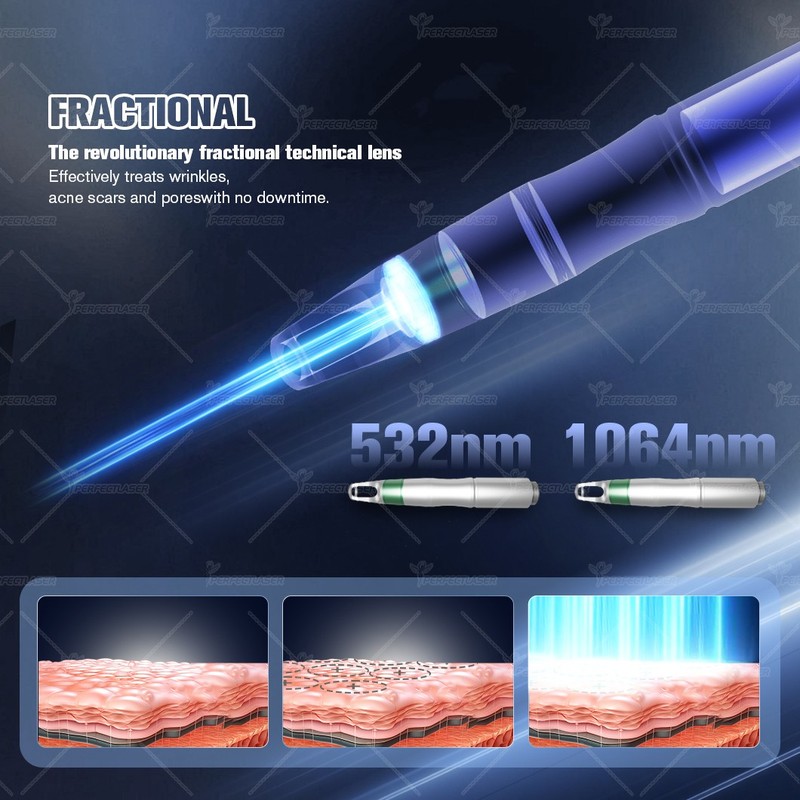
Buying from China transfers the compliance homework to the importer, and the homework is real: for US buyers, the 510(k) clearance must name the exact model you import, which is a model-coverage question rather than a general “FDA cleared” claim; for EU and UK buyers, the CE or UKCA documentation and Declaration of Conformity must match the units shipped. Add the duties estimate, any in-country registration or notification requirements, and the operator licensing questions that apply in your state or region, and the compliance file becomes a budget line — typically cheaper than the distributor’s margin, but only when the buyer knows to open it. Ask the factory which documentation ships with the units and which documents exist only on request, and ask your own broker and regulator what applies on your side. The wholesale route rewards importers who treat compliance as part of the purchase rather than an interruption to it.
Building the Spare-Parts Shelf
Factory-direct buyers trade local service for lower unit cost, and the bridge between the two is a deliberately stocked spare-parts shelf. Before the first order lands, ask the factory for the recommended spares list and lead times, and buy the components whose failure would idle the machine — the handpiece or its key internals if they are field-replaceable, and any consumables — in the same shipment or the next one. A machine waiting three weeks for a part earns nothing in those three weeks, and in a one-machine room the part’s cost is trivial next to the idle revenue. Wholesale buyers who treat the parts shelf as part of the purchase price are buying insurance at component cost; the ones who skip it are buying the same insurance later at emergency rates.
The First Order: Pilot Units Before the Fleet
Wholesale buyers with a fleet in mind should resist the fleet-sized first order. A pilot purchase — one or two fully configured units with the spares package and the training — tells you what no quote can: how the machine behaves in your market’s environment, how the factory’s documentation holds up under your operator, how the claims route actually responds when something needs attention, and how your clients receive the service. Run the pilot for a quarter, document everything, and use the findings to negotiate the fleet order with evidence instead of enthusiasm. Factories respect buyers who pilot properly — it signals an operator who will be around for repeat orders — and the pilot’s cost is trivial next to the cost of standardizing on a machine that disappoints in month six.
Multi-Unit Buyers: Standardization Wins
Chain and multi-unit buyers face a different wholesale logic than single-shop importers: standardization is the real product. When every room runs the same configuration, the same handpieces and the same spares, training costs fall, the parts shelf serves every location, and service documentation means one document instead of a folder. Ask the factory whether it supports a standardized multi-unit program — consistent configuration, volume pricing that steps with units, a consolidated spares package and a service agreement that covers the fleet — because the discount that matters at chain scale is the one that comes from repeatable operations, not from haggling one shipment. A factory that can document its own consistency across serial numbers is a factory you can standardize on; the ones that treat every unit as a bespoke job are selling you a fleet of one-offs at fleet prices.
Domande frequenti
1. Is it cheaper to buy wholesale from the factory than from a distributor?
Factory-direct unit prices are lower because the quote stops at the port — freight, duties, commissioning, training and service are your lines. Whether the total is cheaper depends on what you can organize yourself; the honest comparison fills all six lines on both quotes before believing either.
2. What is the minimum order for wholesale pricing?
Minimums vary by factory and configuration, and the first quantity tier may be as low as a single unit with accessories. Ask where the price tiers step, and remember that configuration changes often move the price more than volume does — negotiate bundles, not just per-unit discounts.
3. How do I handle customs and duties when importing?
Use a customs broker, ask the factory for the shipping documents and incoterms in writing, and request a duties estimate before the deposit. Compliance — including model-specific 510(k) or CE coverage — is the importer’s job on the factory-direct route, and the file belongs in the budget.
4. What warranty do I get buying factory-direct?
The factory’s warranty terms, in writing, with a defined claims route — ask how claims are handled across the distance and what documentation a claim requires. Wholesale buyers protect themselves with staged payments, a spares shelf and a service relationship that starts before the breakdown.
5. Can a small clinic buy wholesale, or is it only for big importers?
Wholesale pricing tiers start lower than most buyers assume, and a single configured machine with a spares package can qualify. The question is not your size but your ability to handle freight, compliance and service yourself — small operators who can are often the happiest factory-direct buyers.
Ready to price the wholesale route properly? Ask Laser perfetto‘s export team for the tiered price list, minimum order terms and the spare-parts package for the Macchina di rimozione del tatuaggio laser Picosecond range — itemized on the six lines above, with incoterms and shipping options for your port, so your comparison with any distributor quote stays honest.
 English
  Arabic
  Chinese
  Dutch
Dutch  French
  German
  Italian
  Portuguese
  Russian
  Spanish