
Short answer: buying a Picosecond Laser Tattoo Removal Machine is a twelve-question exercise, and every question has a written answer that a serious supplier can produce before the deposit. If a supplier cannot answer three of them in writing, that is the answer — and it is cheaper to learn it before you pay than after.
Every buyer walks into the equipment conversation with a different background and the same risk: comparing machines on the features the sales deck leads with, while the questions that decide year two go unasked. This checklist exists to close that gap — twelve points, in the order a purchase actually happens, each one testable by email, document or a few minutes of verification. Print it, attach it to every quotation request, and treat a supplier’s written answers as the product you are buying. The machine is the vehicle; the documentation and the discipline around it are the actual purchase.
Points 1–4: The Machine Itself
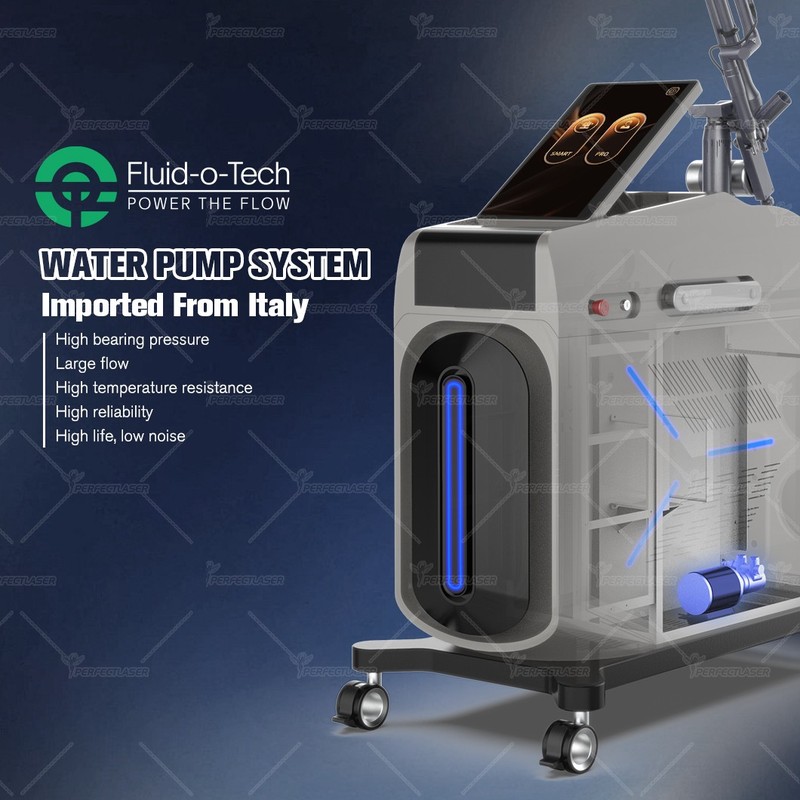
The first four points test what the machine is. Point one: which wavelengths does this exact console deliver, and do the handpieces match the ink coverage you need? Point two: is the delivery genuinely picosecond — pulse performance documented rather than advertised — and what settings tables support it? Point three: what is the cooling design, and how does the machine behave during a full day of sessions? Point four: what is the footprint, voltage and installation requirement, and does your room match it? None of these is a luxury question; each one removes a machine or a supplier before the money conversation starts, and each has a written answer that a real manufacturer produces without hesitation.
Points 5–8: Documentation and Compliance
The middle four points test the paperwork, because paperwork is where the machine’s future lives. Point five: for US buyers, does the 510(k) clearance name the exact model you are quoted — and for EU or UK buyers, do the CE or UKCA documents match the units shipped? Point six: does the factory provide the user manual, settings tables and technical specification in a language your operator can read? Point seven: what service documentation exists — maintenance schedules, spare-parts lists, troubleshooting guides? Point eight: do all documents carry revision dates the supplier will confirm in writing? A machine is only as real as the paperwork that names it, and the buyer who checks point five before the deposit never learns the lesson the buyer who skips it learns later.
Points 9–12: The Cost of Owning, and the Relationship
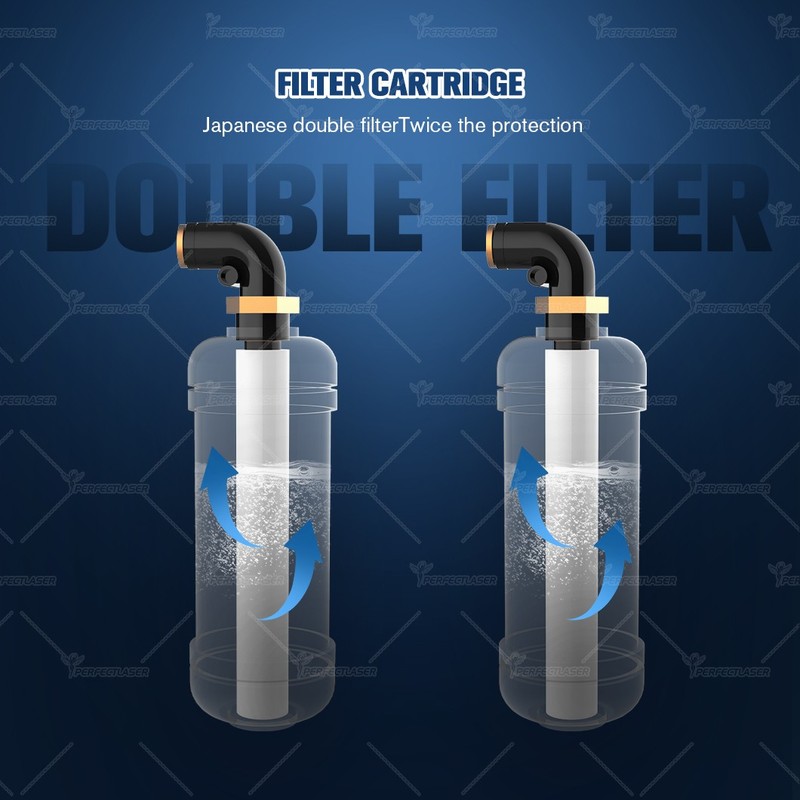
The final four points test what the machine costs after the invoice. Point nine: component service life — handpieces and consumables — with replacement cost and lead time stated in writing. Point ten: the warranty terms and the claims route from your country, including what a claim requires and how long it takes. Point eleven: training — what it covers, how many supervised sessions, and how follow-up questions get answered. Point twelve: references — buyers in markets like yours running the same model, whom you actually contact. Points nine through twelve are where reliable suppliers separate from persuasive ones, because anyone can sell a machine once, and only a supplier with service reality can sell the same machine to your neighbor.
The Checklist at a Glance
| # | Question | Written answer needed |
|---|---|---|
| 1 | Which wavelengths and handpieces ship with this model? | Configuration list |
| 2 | Is delivery genuinely picosecond, with settings tables? | Pulse documentation, settings guide |
| 3 | What is the cooling design and full-day behavior? | Specification and service notes |
| 4 | Footprint, voltage and installation needs? | Technical specification |
| 5 | Model-specific 510(k)/CE/UKCA documents? | Clearance or declaration, exact model |
| 6 | Manual and settings tables in your language? | Document copies |
| 7 | Service documentation for local technicians? | Maintenance and spare-parts lists |
| 8 | Document revision dates confirmed? | Written confirmation |
| 9 | Component service life, cost and lead time? | Service data table |
| 10 | Warranty terms and claims route? | Warranty document |
| 11 | Training content and supervised sessions? | Training outline |
| 12 | References in markets like yours? | Contactable buyers |
How to Use the Checklist Without Drowning
A twelve-point list can feel like homework, and the discipline is to batch it rather than blitz it. Send the full checklist with your first inquiry so suppliers answer once instead of twelve times; give each supplier the same deadline so the answers arrive comparable; and score the responses against each other rather than against your hopes. Points one through eight are document checks you can verify in an afternoon, and points nine through twelve are relationship checks that take a week of emails — both are cheaper than the mistakes they prevent. When a supplier answers all twelve in writing, you have done the diligence; when one cannot, you have done the diligence too, because knowing who to walk away from is half the checklist’s value.
The Questions Buyers Forget Until Year Two
Twelve points cover the purchase, and a few questions cover the years after it — worth asking while you still have influence. What does the supplier’s product roadmap look like, and will your machine’s handpieces remain supported as newer models appear? What is the firmware update policy, and does updating require a service visit? What happens to your spare-parts supply if the factory shifts production lines? And if you grow, does the same supplier scale with you — same configuration standards, volume terms and service agreement? These are not questions for the first email; they are questions for the second round, once a supplier has passed the twelve points and earned the conversation. Buyers who ask them while the sale is open get answers; buyers who wait until year two get whatever the supplier’s current mood provides.
Common First-Buyer Mistakes Worth Naming
Naming the mistakes saves the next buyer from making them. Comparing on unit price while the configuration differs — the most common error, fixed by the twelve-point list. Trusting “FDA approved” phrasing instead of checking the model-specific 510(k) — the compliance error that surfaces at customs or with an insurer. Buying the machine before the room, the training or the license question is settled — the sequence error that leaves new equipment idle. Skipping the reference calls because the sales relationship feels warm — the diligence error that costs the most when it fails. And treating the deposit as the end of the negotiation instead of the beginning of the service relationship. Every one of these mistakes is visible in the twelve points if they are worked in order — which is the entire argument for doing the checklist before the enthusiasm does the buying.
FAQ
1. What should I look for when buying a picosecond tattoo removal machine?
Work the twelve points in order: wavelengths and handpieces, genuine picosecond delivery with settings tables, cooling, fit for your room, model-specific regulatory documents, service documentation, cost of owning, training and references. Each point has a written answer a serious supplier produces before the deposit.
2. Do I need to check the 510(k) before buying?
For US buyers, yes — clearance travels with the model, so ask for the 510(k) reference that names the exact configuration you are quoted and verify it against the FDA’s public database. General “FDA cleared” claims without a model-specific reference are marketing, not documentation.
3. What documents should come with a new machine?
The user manual, settings tables, technical specification, warranty terms and service documentation — plus the regulatory documents that apply in your market, all naming the exact model and carrying current revision dates. If the supplier cannot produce them before payment, they will not appear after it.
4. Is training included when I buy a machine?
Training is part of the purchase conversation, not an extra to discover later — ask what it covers, how many supervised sessions it includes, and how follow-up questions are answered. The operator’s learning curve is paid for by your first months of bookings either way.
5. How do I compare two suppliers fairly?
Send the identical twelve-point checklist to both with the same deadline, then score the written answers side by side. Comparing suppliers on incomplete information is comparing assumptions; the checklist exists so the comparison happens on the same twelve questions.
Put the checklist to work today: send it to every shortlist — Perfectlaser included — and the sales team will also send you the PDF version with the documentation pack for the Picosecond Laser Tattoo Removal Machine range, so all twelve answers arrive in one comparable file instead of twelve separate emails.
 English
  Arabic
  Chinese
  Dutch
Dutch  French
  German
  Italian
  Portuguese
  Russian
  Spanish