
CO2 Laser at Home for Skin: How It Works and What Makes It Effective
What Is a CO2 Laser and How Does It Interact with the Skin?
A CO2 laser uses carbon dioxide gas to generate infrared laser energy. It removes damaged layers of the skin in an exact way. The CO2 fractional laser is a popular and advanced laser technology used in dermatology and aesthetic medicine. It is mainly used for skin resurfacing, rejuvenation, and treatment of different skin concerns. This technology splits the light into thousands of microbeams. The microbeams penetrate the epidermis and create controlled micro-injuries that trigger the skin’s natural healing response. The micro-injuries cause the body to start its natural healing process. The micro-injuries also stimulate collagen production to help skin regeneration. New tissue is formed under the treated area as the collagen synthesis increases. The skin starts to look better as it gains tone, elasticity, and glow. The result is smooth-looking skin with fewer fine lines and wrinkles.
Why Choose a home-use CO2 device Instead of a Clinical Procedure?
Using a at-home CO2 laser gives flexibility for regular skincare maintenance. There is no need to book clinical appointments. At-home devices allow limited adjustment of energy settings depending on the system design. This leads to steady improvement and less downtime. The method helps professionals keep results going between clinical resurfacing visits. A home-use CO2 device also gives privacy and lets users decide treatment frequency. They can adjust the plan to match personal tolerance and recovery needs.
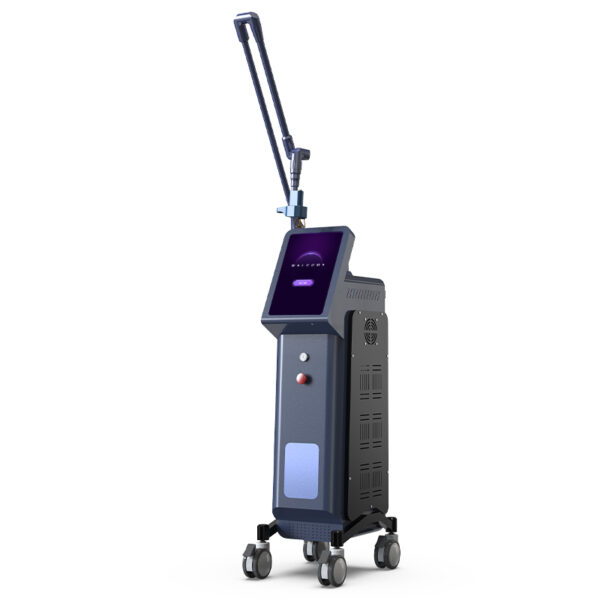
What Are the Healing Stages After Using a CO2 Laser at Home for Skin?
How Does the Skin React Immediately After a CO2 Laser Session?
Mild redness, swelling, and warmth appear right after a fractional CO2 laser at-home session. These are normal as the skin starts its repair cycle. The surface can feel tight or sensitive because of the tiny thermal zones made during treatment. Gentle cleansing with mild products helps keep the skin barrier intact. At the same time, good moisture levels bring comfort in this early stage.
What Happens During the Peeling and Regeneration Phase?
Dead skin cells start to flake off within a few days after treatment. Fresh layers form underneath. Laser treatment for lines and wrinkles creates small micro-injuries on the skin’s surface. These very small wounds in the skin prompt your skin to produce new collagen. The amount of collagen in our skin decreases with age. As it lessens, skin loses its structure, leading to loss of skin firmness and resulting in lines and wrinkles. The more collagen your skin produces, the firmer and smoother your skin will be. It is critical to avoid sunlight in the weeks after your treatment as the sun’s UV rays can cause marks on the skin such as uneven skin tone and areas of hyper-pigmentation.
When Does the Skin Fully Recover After CO2 Laser at Home Treatment?
Recovery time for treatments depends on the strength of the treatment. Most people see big improvements in their skin within 7 to 14 days after a moderate treatment. Strong treatments can take several weeks to allow skin to completely renew itself. Using a hydrating serum or thick moisturizer in between treatments can help the skin recover from treatment sooner and can also help to reduce any discomfort that one may feel while skin is recovering.
How Long Does It Take to See Results from CO2 Laser at-Home Treatments?
What Is the Typical Results Timeline After Using a CO2 Laser at Home?
Results from CO2 laser at-home treatments build gradually with ongoing cell turnover. Brighter skin often shows within one week as surface cells shed. Noticeable tightening appears around three to four weeks after collagen starts to reshape the deeper layers. Best results usually show after two to three months when collagen has fully developed.
How Do Frequency and Intensity Affect CO2 Laser Results at Home?
Treatment settings affect both results and recovery length. Higher energy levels bring faster visible changes but also longer downtime because they reach deeper layers. Moderate settings support steady improvement without much interruption to daily life. Experts often suggest maintenance sessions every few months to keep the anti-aging effects from a good CO2 laser at home device.
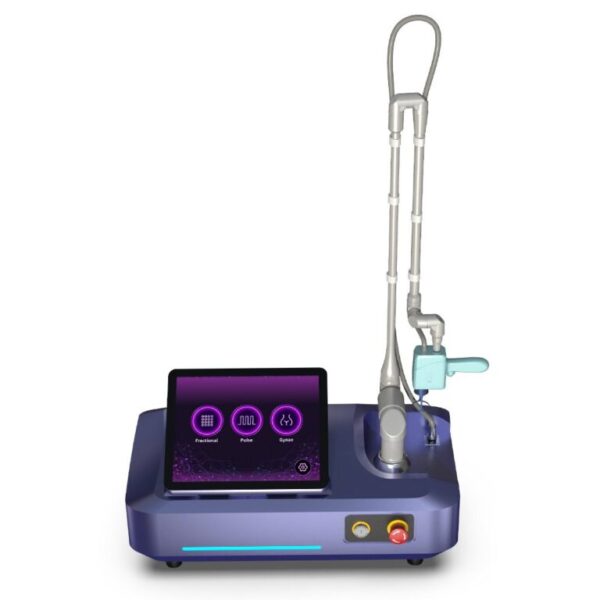
What Should Experts Expect When Using Perfectlaser CO2 Laser at Home for Skin Rejuvenation?
How to Prepare the Skin Before a Perfectlaser CO2 Session?
Cleanse the skin well before a Perfectlaser session. This removes makeup or oil that could block the light. A numbing cream can be applied depending on the power setting to make the process more comfortable. Divide the face into sections such as the forehead, cheeks, and chin. This helps achieve even coverage with each pass of the fractional CO2 laser at-home system.
What Post-Treatment Care Is Required After Using Perfectlaser CO2 Laser at Home?
Focus on deep hydration after using our home-use laser system. Opt for formulas enriched in peptides or hyaluronic acid. These products will work to soothe and provide your newly formed skin with help in repairing its damaged outer layer. For several weeks, avoid products containing exfoliating acids or retinoids until your skin’s surface has totally recovered. After peeling, use a broad-spectrum sunscreen daily, since newly re-formed skin is sensitive to light.
How Safe Is Using a CO2 Laser at Home for Skin Compared to Professional Clinics?
What Safety Mechanisms Are Built Into At-home CO2 Lasers Like Perfectlaser?
The device includes automatic safety features for accurate use at home. Sensors track pulse length and temperature throughout the session. They help avoid overheating. Safety locks help prevent accidental activation during operation or setting adjustments. These features build user confidence during each treatment.
Which Precautions Should Professionals Take When Performing At-home Sessions?
Do a patch test before treating the full face. This checks how different skin areas react and spots any sensitivity early. Follow the recommended gaps between sessions to avoid too much exposure. Overexposure can slow healing or cause irritation. Keep notes on settings like energy level and pulse width. These records help track progress over repeated uses of the fractional skin resurfacing device platform.
FAQ
Q: What is CO2 laser treatment, and how does it benefit the skin?
A: A CO2 laser treatment is a form of skin resurfacing and is a focused beam of carbon dioxide light energy sent into the skin. The co2 laser removes the top skin layer and then starts to remodel the skin in the lower layers by increasing collagen production. As the surface skin is removed, new skin cells are produced to form a smooth surface, reducing the appearance of scars and wrinkles. Over time, CO2 laser skin resurfacing can also start to brighten up the skin, giving it a healthy glow.
Q: How much does a CO2 laser cost when performed at home compared to clinics?
A: Using an at-home CO2 laser for skin resurfacing in the long term can be cost-effective for your pocket as opposed to treating individual skin problems as they occur in a clinic. The at home laser will improve the skin in the long term and give it good skin texture. Improvements are of a subtle nature and certainly not as dramatic as some of the individual clinical treatments.
Q: What results can I expect from using a CO2 laser at home for skin rejuvenation?
A: Changes happen step by step. A brighter look appears within days. Smoother texture shows up in a few weeks. Clearer firmness develops after two or three months as collagen continues to build from regular use of the fractional skin resurfacing device routine.
Q: Are there risks associated with using a CO2 laser at home on sensitive skin?
A: Some redness or peeling is common after resurfacing. Wrong settings may lead to irritation or color changes if instructions are ignored. Correct adjustments and proper aftercare keep these effects to a minimum.
Q: How often should professionals use a Perfectlaser CO2 laser at home for optimal outcomes?
A: Sessions are usually spaced four to eight weeks apart at the start. They move to quarterly maintenance once goals are reached through steady use of this advanced CO2 laser at-home device.
 English
  Arabic
  Chinese
  Dutch
Dutch  French
  German
  Italian
  Portuguese
  Russian
  Spanish