
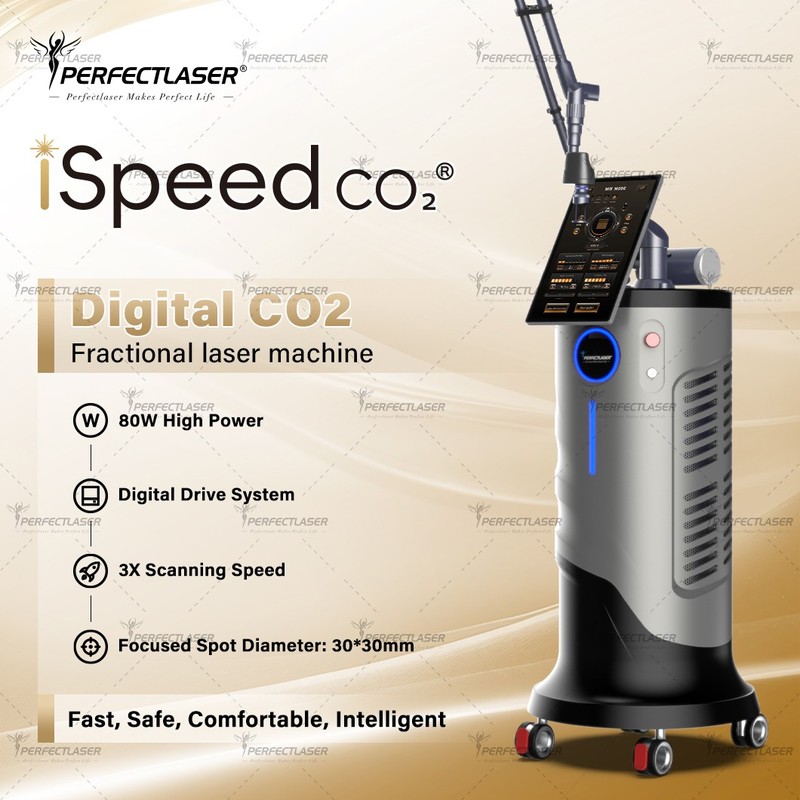
Short answer: a busy single-room clinic can realistically gross a five-figure monthly revenue from one fractional CO2 laser, but only if the schedule math works — high tickets, low rebooking frequency and week-long recovery gaps are the three constraints that decide the number. Providers commonly report per-session pricing well into the hundreds for fractional CO2 resurfacing, which makes even a modest weekly volume add up quickly. Treat every figure here as an industry approximation; your prices, occupancy and recovery scheduling set your real result.
Most owners ask “how profitable is a fractional CO2 laser treatment?” before they have counted the chairs. Resurfacing revenue is unusual because it is the opposite of waxing: few sessions, big tickets, long gaps. A client who books a deep resurfacing treatment disappears for a week of recovery and returns months later, not next Thursday. That rhythm is precisely why the machine can earn well and still look idle — and why owners who schedule it like a facial lose money while owners who schedule it like surgery print it.
The Revenue Model: High Ticket, Low Frequency, Long Gaps
Resurfacing revenue has three levers, and none of them behave like a facial menu. The ticket is the first lever: fractional CO2 sessions command premium pricing because clients pay for remodeling that creams cannot deliver, and prices scale with treatment area and depth. The frequency is the second lever — this is a low-rebook service, so new-client acquisition matters more than retention offers. The schedule is the third and most misjudged lever: each treatment takes real chair time and each client needs recovery days before the next commitment, so your weekly capacity is set by downtime as much as by the laser. Practices that understand the third lever book resurfacing days in blocks, keep the rest of the week for lighter services, and never promise same-week results to impatient clients.
Building a Monthly Scenario: What the Math Needs
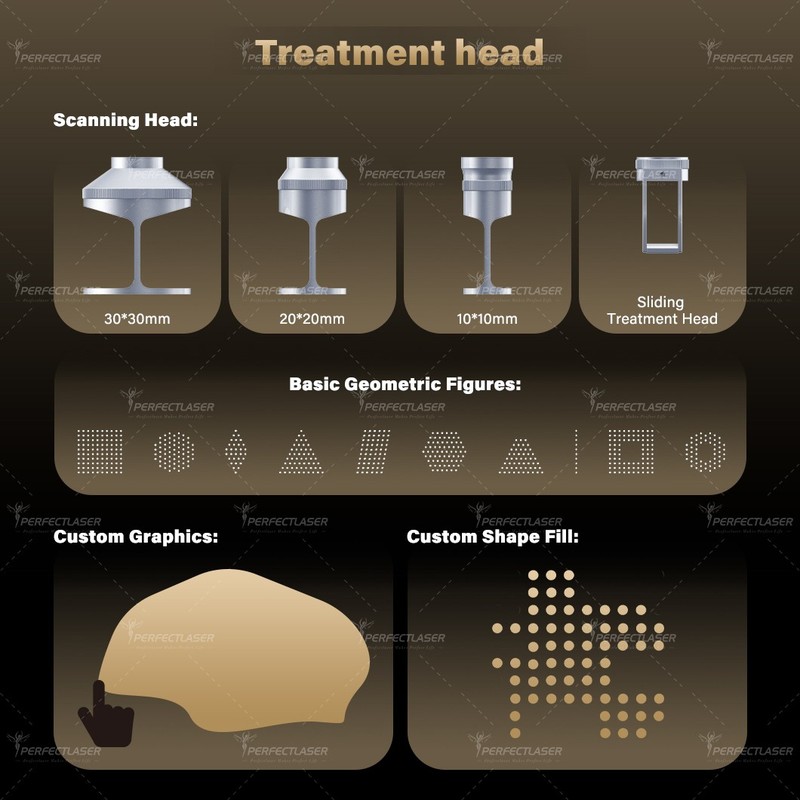
Work the scenario with your own numbers, but start from a realistic template. A full-face fractional CO2 session commonly books 25–30 minutes of treatment time, and the client’s visible recovery runs roughly 7–10 days before new skin settles — both figures are common industry references that vary with depth and protocol. Suppose your market supports a $600 average ticket for a mid-depth fractional treatment (published ranges in many regions run higher and lower; check your postcode). At four resurfacing sessions a week between other services, that is around $9,600 a month from one machine before costs. Push the ticket toward the deeper end of the range and the same four sessions a week move well into five figures. These are illustrative scenarios, not quotes or guarantees — but they show how the model scales: every extra session a week adds a full ticket to monthly revenue, and every downtime day you cannot fill is a ceiling on the total.
Now subtract the honest costs: consumables and aftercare stock, marketing to keep the low-frequency funnel full, and the machine’s own depreciation. Owners who track cost per booked client find resurfacing marketing is forgiving — one referred client with a $600 ticket justifies a lot of ad spend — but the funnel never stops, because a resurfacing client does not rebook next month.
Payback Scenarios: Fast, Realistic and Slow
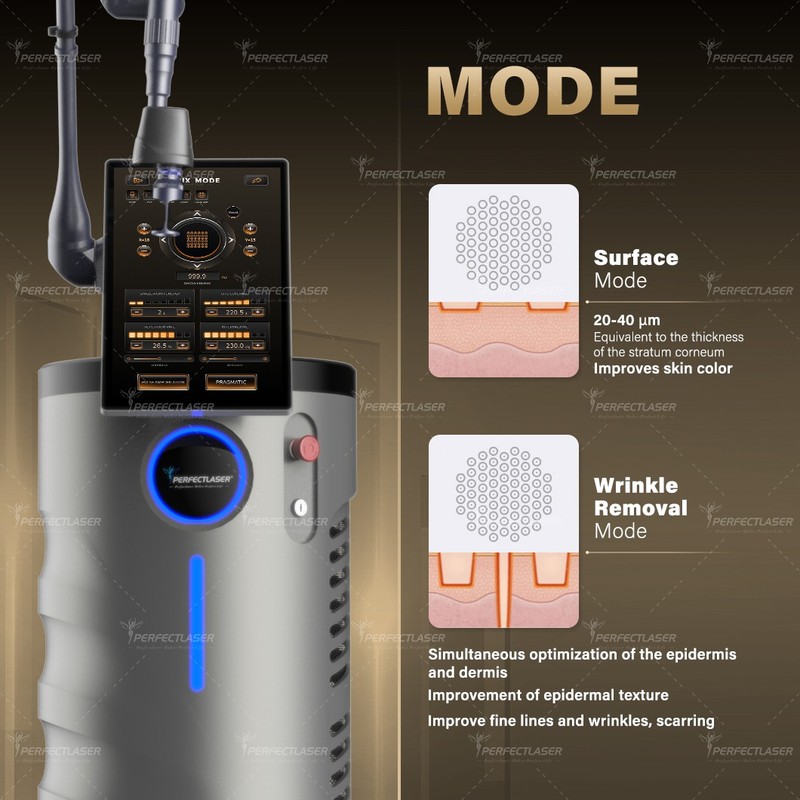
Payback speed depends on how full you keep the diary. A fast scenario: established clinic, strong referral base, six sessions a week at a premium ticket — the machine’s investment clears in the first several months. A realistic scenario for most new machines: four sessions a week, mid-range tickets, marketing ramping — plan on the investment clearing within the first year of steady operation, with month one closer to break-even than to profit. A slow scenario happens when downtime is not managed: two sessions a week, no waitlist, empty recovery weeks — the machine earns less than the room it sits in. The difference between the three scenarios is rarely the laser; it is the scheduling discipline and the marketing funnel around it. Run all three with your ticket and your weekly capacity before you buy, and treat the middle one as your planning case.
Two margin notes keep the scenarios honest. First, the treatment’s running costs are modest but not zero: consumables, aftercare products and occasional maintenance belong in the monthly model, and a service contract should be priced before the machine is, because a mid-week breakdown at a premium-ticket service is expensive twice. Second, the tax and accounting treatment of a capital machine varies by market — check how depreciation and any equipment financing are handled where you operate, and let your accountant model the machine’s first-year picture with you rather than guessing from a blog.
The Booking Model That Protects the Revenue
The clinics that hit the fast scenario do not leave the calendar to chance. Three habits show up again and again. First, resurfacing days are blocked in advance: two or three dedicated days a week for laser work, with lighter services filling the other days, so recovery gaps never silently swallow the diary. Second, consultations are scheduled separately from treatments — a resurfacing consult takes real time, and clinics that charge for it or credit it against the session find their calendar fills with buyers rather than browsers. Third, deposits and clear cancellation terms protect the appointment, because a missed resurfacing slot is a lost ticket with no walk-in to fill it. Add a waitlist for cancelled slots and the model compounds: full laser days, honest recovery promises and a funnel that keeps feeding the blocked days. None of this requires new equipment — it requires treating the machine like the high-value chair it is.
Seasonality, Local Search and the Referral Loop
Resurfacing demand follows a calendar that rewards planning. The classic pattern sees demand climb in the cooler months, when clients can hide recovery behind scarves and stay out of the sun — and dip before summer, when nobody wants a fresh peel under vacation sun. Smart owners market hardest in late summer and autumn, fill the winter diary with courses, and use summer for maintenance work and lighter services. The second growth lever is local search: “fractional CO2 laser near me” queries carry intent that no billboard matches, so a Google Business profile with real reviews, honest recovery language and interval-consistent photos is the cheapest acquisition channel the service has. The third lever is the referral loop — a resurfacing client with a visible result is walking advertising, and a structured ask (a follow-up message with a referral link and a thank-you for the review) turns that goodwill into booked consults. None of the three levers needs more equipment; they need calendar awareness and follow-up discipline.
Is It Worth It? The Honest Answer
Is a CO2 fractional laser worth it? For a clinic that can fill four or more sessions a week at realistic resurfacing prices, the math usually answers yes — the ticket economics are strong enough that the machine pays for itself inside a year even with the downtime constraints. For a clinic that cannot keep a resurfacing funnel full — no referral base, no marketing budget, no tolerance for recovery conversations — the same machine becomes an expensive ornament. The worth question is really a scheduling question in disguise, and answering it honestly before purchase beats discovering it after delivery.
FAQ
1. How profitable is a fractional CO2 laser treatment?
Per-session profit is strong because tickets are high and consumables are modest, but monthly profit depends on volume. Four sessions a week at a mid-range ticket produces a solid five-figure monthly revenue in most markets before costs — run the scenario with your own price to see your number.
2. How many sessions can a clinic run per week?
Treatment time runs roughly 25–30 minutes per session, but recovery is the constraint: each client needs downtime before rebooking, so weekly capacity depends on how many new and returning clients your funnel supplies. Practices commonly run resurfacing days in blocks rather than daily, and Perfectlaser’s advisors build the same weekly-capacity model into their quotations so you can test the blocks before delivery.
3. How long does a CO2 fractional laser take to pay back?
Realistic planning scenarios put full payback within the first year of steady operation, and faster for established clinics with strong referrals. Month one is usually closer to break-even while the funnel builds — treat payback timelines as planning benchmarks, not promises.
4. Do resurfacing clients rebook?
Less often than facial clients, and that is normal. Resurfacing is a low-frequency service, so the business model leans on new clients and referrals rather than retention offers. Track cost per booked client and keep the funnel full.
5. Is fractional CO2 resurfacing worth the investment for a small clinic?
Yes when you can fill four-plus sessions a week at realistic prices; no when the funnel cannot support them. The machine is the biggest line item, so test the scenario math — weekly sessions times ticket minus costs — before you commit. Perfectlaser’s advisors can help you model it with your expected traffic.
Before you lock the monthly revenue model, glance through the CO2 Fractional Laser Machine range — the configuration you quote drives the ticket you can defend. Send Perfectlaser your expected weekly resurfacing volume and target ticket, and the sales team will return a revenue scenario for the configuration you are considering — the same model used in this article, run with your numbers.
 English
  Arabic
  Chinese
  Dutch
Dutch  French
  German
  Italian
  Portuguese
  Russian
  Spanish