
Short answer: for the right candidate — light skin, dark hair, realistic expectations — alexandrite laser hair removal is widely considered worth it, with review communities full of clients describing dramatic, long-lasting results. For the wrong candidate, it is wasted money and pain. The honest picture sits between the five-star reviews and the horror stories: results are real but progressive, discomfort ranges from barely noticeable to genuinely sharp depending on the area, and individual outcomes vary. Treat community reports as experience, not guarantees.
Open any review thread about alexandrite laser hair removal and you will read two kinds of posts within the same scroll. One client writes that it changed her life and barely hurt; another describes sessions so painful she almost quit. Both are telling the truth about their own skin, their own areas and their own energy settings — which is why “is it worth it” cannot be answered by averages. This article sorts the review noise into what actually predicts your experience: your skin and hair type, the area being treated, the clinic’s settings discipline, and the expectations you bring to the course.

What the Reviews Actually Say — and What They Don’t
Review communities cluster around a few consistent themes. The positive reviews describe the same arc: coarse dark hair thinning dramatically across a course, longer regrowth gaps, and a confidence payoff that outlasts the sessions — with “worth every penny” appearing most often from light-skinned clients with dark hair, the profile the wavelength serves best. The negative reviews cluster just as predictably around mismatches: clients with lighter or finer hair who saw modest results, clients treated at settings that did not match their skin, and clients whose pain expectations were never managed. What the reviews cannot tell you is your own outcome, because reviews are written by the profile that booked — read them to understand the pattern, then check your own skin and hair against it before you judge the treatment by someone else’s skin.
The Two-Sided Experience: Barely There to Genuinely Sharp
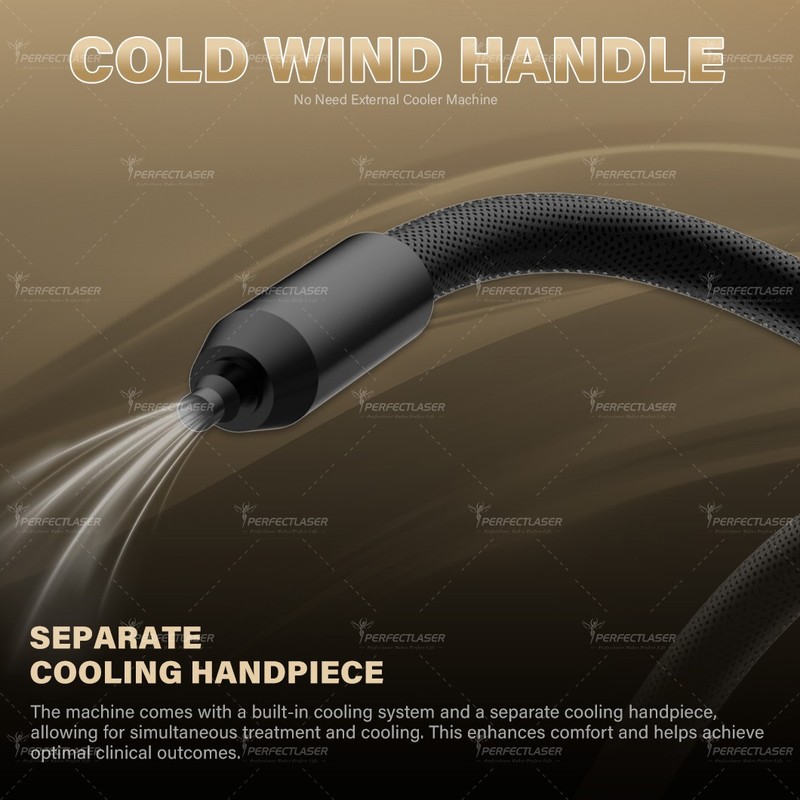
Pain reports split as honestly as result reports, and the split is explainable. On large flat areas with a good cooling handpiece — calves, thighs — many clients describe sessions as mildly uncomfortable at worst, a warm snapping rhythm they can talk through. On the sensitive map — upper lip, bikini line, underarms, anywhere the skin sits tight over bone — the same clients describe genuine sharpness, and community reports of 8 or 9 out of 10 on the pain scale usually come from these zones at higher energies. Three factors move every report: the area (tight skin and bone read sharpest), the energy settings (higher settings treat deeper but sting more), and the skin type itself. The good news is that all three are manageable: cooling systems, topical anesthetic where the clinic’s rules and your region allow it, lower starting energies, and honest pacing. What is not manageable is surprise — clients rate the treatment far worse when the sharpness arrives unannounced than when the operator said “this next zone is the spicy one” beforehand.

Real Results: Timelines, Not Miracles
The before-and-after story that matters is a timeline, not a single photo. After a session, treated hairs shed over one to three weeks — a phase clients often misread as regrowth, which is why clinics explain it before it happens. Results accumulate across the course: by the middle sessions most clients see sparser, slower regrowth, and after the full course — typically six to ten sessions per area — the reduction is dramatic for the right hair profile. Then comes the honest part: laser hair removal reduces hair long-term rather than removing every follicle forever, and maintenance sessions keep the result fresh, with intervals stretching as the reduction settles. Individual results vary with hair color, skin type, hormones and settings, which is why a clinic that shows you its own interval-consistent follow-up photos of similar cases is worth more than a gallery of borrowed before-and-after shots. Reputable providers never present one perfect photo as a promise — they present the timeline and the variables, and owners evaluating the machine behind those results can ask Perfectlaser for the interval-photography guidance that ships with its operator training.
The Expectation Script: What a Good Consultation Should Tell You
Half the “worth it” question is settled in the consultation, and a good one covers five points plainly. What the treatment can achieve for your specific skin and hair profile — and what it cannot. How many sessions your course will need and why the spacing matters. What the sessions will feel like, zone by zone, and what the clinic does to manage it. What recovery looks like session to session — redness, shedding, sun rules. And what happens after the course, including maintenance intervals and realistic long-term expectations. If a consultation promises permanent smoothness in four visits with no mention of pain, no skin-typing and no maintenance conversation, it is selling fantasy at a premium price. If it walks you through the week, the sharp zones and the timeline with specifics, it is selling the real treatment — which, for the right candidate, is the one worth paying for.
The Screening List That Predicts Your Experience
Before you judge the worth question, run your own profile through the short list clinics use. Hair color and coarseness comes first: coarse dark hair is the ideal target, and the treatment’s value falls as hair gets finer, lighter or grey. Skin type comes second: alexandrite suits Fitzpatrick I–III profiles, and deeper skin needs longer wavelengths and different settings. Medications and health history come third — some prescriptions change light sensitivity or healing, and honest clinics ask before they treat. Tanning status comes fourth: recently tanned skin behaves like a darker type and usually means rescheduling. If you pass the list, you are the candidate the reviews are about; if you fail two items, you are the candidate the reviews warned about — and no price discount makes the wrong profile worth it. Owners building the same screening into their intake can ask Perfectlaser for its consultation checklist template when they buy.
What “Results Vary” Actually Means
“Individual results vary” is the most quoted sentence in aesthetic marketing and the least explained. Stripped of the disclaimer tone, it means three specific things for alexandrite. First, the rate of response differs: some clients see dramatic thinning by session four, others need the full course and a maintenance round before the change is obvious. Second, the ceiling differs: hormonal factors, hair cycling and genetics set a limit on reduction that no machine can exceed, and honest clinics name that ceiling instead of implying smoothness forever. Third, the durability differs: some clients stretch maintenance intervals to years, others return annually as hormones shift. None of this makes the treatment less worth it — it makes the worth calculation personal, which is exactly why a clinic that quotes your timeline beats a website that quotes an average.
FAQ
1. Is alexandrite laser hair removal worth it?
For light-skinned clients with dark, coarse hair, review communities and clinical experience converge on yes — results are dramatic for the right profile. For fine, light or grey hair, or for skin types the wavelength does not suit, the value drops sharply. Match the profile to the wavelength before judging the price.
2. Does alexandrite laser hair removal hurt?
It ranges from mildly uncomfortable on large flat areas to genuinely sharp on sensitive zones — upper lip, bikini line and skin over bone. Community pain ratings of 8–9 out of 10 usually describe those zones at higher energies; cooling, anesthetic where allowed, and honest pacing manage the rest.
3. Does alexandrite laser hair removal really work?
For dark hair on light skin, yes — the melanin contrast makes 755nm highly effective, and courses typically produce dramatic, long-lasting reduction. Results are progressive across six to ten sessions rather than instant, and individual outcomes vary with hair color, skin and settings.
4. What do before-and-after reviews show?
The credible ones show timelines: shedding weeks, progressive thinning across sessions, and maintenance intervals after the course — not a single borrowed photo. Check that the gallery matches your skin and hair profile, and ask the clinic for cases similar to yours at consistent intervals.
5. Why do some people say it didn’t work for them?
The common threads are profile mismatch — fine, light or grey hair carries too little pigment — and expectations set around someone else’s skin. Reviews are written by the profile that booked, so read them for patterns, then judge the treatment against your own skin and hair type.
If your profile matches the light-skin, dark-hair pattern above, browse the Alexandrite Laser Hair Removal Machine range before the consultation so you know which platform the clinic is talking about. For clinic owners building the expectation script into a service, the business numbers behind the same machine — monthly earning scenarios and first-machine budgeting — cover the side of the story clients never see. Perfectlaser’s sales team can also walk you through how its operator training handles the pain-expectation conversation.
 English
  Arabic
  Chinese
  Dutch
Dutch  French
  German
  Italian
  Portuguese
  Russian
  Spanish