
Short answer: the pico laser tattoo removal machine price is set by configuration, not by brand slogans — wavelengths, pulse performance, energy range and the support that travels with the console decide most of the difference between two quotes. Published figures are industry planning ranges; your written quotation for the exact configuration is the only number that matters.
First-time buyers usually arrive at the price question with one number in mind, and the market answers with a spread wide enough to be confusing. That spread is not random: a Pico Laser Tattoo Removal Machine is priced line by line, and the lines describe capability — which ink colors the console can treat, how the pulse behaves, how much energy the operator can draw on, and what happens after the sale. This guide breaks the price into its components, explains why two quotes for “the same machine” can sit far apart, and gives you the comparison discipline to read both honestly.
What Actually Drives the Price: Configuration by Configuration
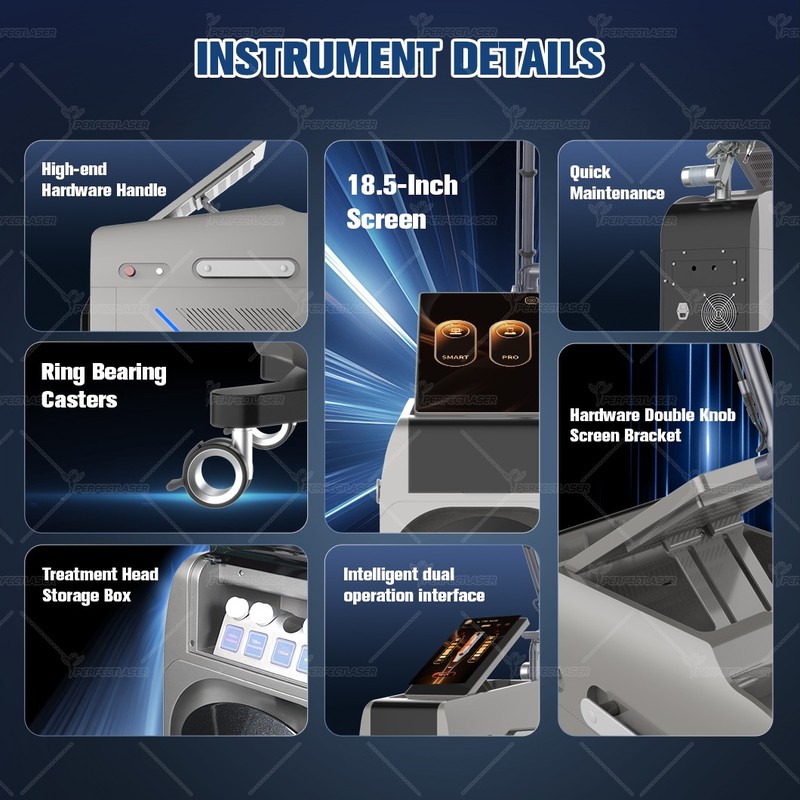
Start with the specifications that change what the machine can do, because those are the lines suppliers should quote transparently. Wavelength coverage leads: a console delivering 1064/532, 755 and 1320 standard with 585 and 650 available as options covers more ink colors and skin profiles than a narrower configuration, and broader coverage costs more to build. Pulse performance follows — a 350ps pulse duration and 1.67GW peak power describe the picosecond platform’s class, and that class shows up in the price. Energy range and repetition rate — 100–500mJ at 1–10Hz — decide how the operator works through a session and how the machine is engineered internally. Then come the practical lines: a 3000W system, an 18.5-inch color screen, 110V/220V compatibility, a 2-year warranty, and the regulatory documentation set (FDA/RoHS/CE) that lets the machine be sold and insured in regulated markets. Every one of these lines can be dialed up or down in a quotation, and every dial moves the number — which is why comparing a price without comparing the configuration is comparing nothing at all.
Why Two Quotes Diverge: Tier, Channel and Support
The second driver is who is selling, and the honest way to read it is as different products rather than different markups. A brand distributor’s price bundles local inventory, in-market documentation support, installation coordination and a warranty you can enforce in your own country; a factory-direct quotation prices the machine at the port and leaves freight, duties, commissioning and service as your lines. Neither structure is dishonest, and the buyer who understands the difference negotiates better on both sides. Ask each supplier the same question — what does this price include, and what does it leave me to organize — and then price the excluded lines yourself before comparing totals. The premium is a service package wearing a price tag, and the discount is a work package wearing the same tag.
The Lines Beginners Forget: Consumables, Freight and Training
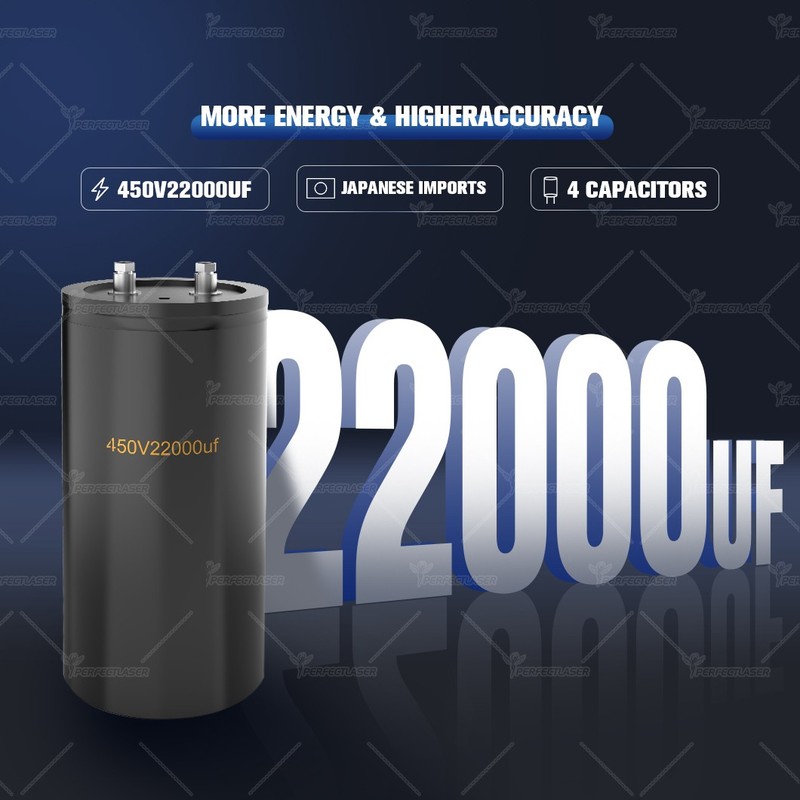
Three lines decide whether a cheap quote stays cheap, and all three are easy to omit on purpose or by accident. Consumables come first: handpieces and their service internals wear with use, and their rated life, replacement cost and lead time belong in the same comparison as the machine’s price, because a console with cheap short-lived parts costs more per session than a better-equipped one. Freight and duties come next — a quotation that stops at the factory door is not a delivered price, and a duties estimate from your customs broker closes the gap before the deposit rather than after the crate. Training comes last and matters most: what the curriculum covers, how many supervised sessions, and who answers questions in month two. A supplier that prices the machine and leaves you to discover the other three is not offering a lower price; it is offering a shorter quotation.
The Price-Driver Matrix
| Driver | What to compare | Effect on price |
|---|---|---|
| Wavelength coverage | Standard set plus options | Broader coverage raises build cost |
| Pulse platform | Pulse duration and peak power | Platform class is a pricing tier |
| Energy and rate | Energy range and repetition | Affects engineering and session speed |
| Interface and power | Screen, voltage compatibility | Smaller line; affects usability |
| Warranty terms | Length, coverage, claims route | Longer coverage carries real cost |
| Regulatory file | Certificates and declarations | Documented models price higher |
| Channel | Factory-direct vs distributor | Bundled service vs organized work |
| Consumables | Life, cost, lead time | Decides cost per session, not sticker |
How to Compare Two Quotes Without Getting Fooled
Comparison discipline is a short checklist used identically on every supplier. Make each quotation itemize the same lines: unit and configuration, included handpieces and spares, freight with incoterms, a duties estimate, training, warranty and the service route — then date the quotes and read them side by side. Watch for the two classic distortions: the unit price that looks low because the configuration is narrow, and the bundle that looks complete because its exclusions are described softly. Add the delivered extras you would have to buy anyway, and the honest total appears. Finally, ask each supplier which line they consider their weakest, because the answer — a spare-parts lead time, a training gap, a documentation delay — is the most useful sentence in the entire file.
Reading Industry Ranges Without Being Misled
Published price ranges are useful orientation and terrible decision tools, and the distinction is worth keeping. A range quoted in an article or a forum describes what some buyers paid somewhere for some configuration; it cannot see your wavelengths, your duties, your freight or your support needs. Use ranges to know the shape of the market — a professional configuration costs multiples of a home-style device, and factory-direct entry points sit below distributor bundles — then replace every range with a written quote before budgeting. The discipline that protects you is the same one that protects every equipment purchase: compare configurations, not slogans; compare delivered totals, not stickers; and treat any figure that arrives without a written quotation as an industry approximation rather than a price.
The Deposit Checklist for a Priced Configuration
Before any deposit, convert the price conversation into a written file, because the deposit is where negotiating power ends and paperwork begins. Ask for the number in writing on one page: the exact configuration including wavelengths and handpieces, the incoterms and freight, a duties estimate, the commissioning and training plan, the warranty terms, and the spare-parts list with lead times. Ask two commercial questions beside it — lead time to shipment and the payment stages — and confirm what happens if the shipment slips. Then run the two checks that catch most of the risk: verify that the documentation names the exact model you are paying for, and confirm the quoted configuration matches what your cases actually need rather than what the brochure prefers. A deposit backed by an itemized page is a decision; a deposit backed by a WhatsApp message is a hope. The suppliers who welcome the checklist are the ones whose price will still make sense in month six, and the ones who resist it have told you the answer for free.
FAQ
1. How much does a pico laser tattoo removal machine cost?
Published figures are industry planning ranges, and the honest answer is configuration-dependent: wavelength coverage, pulse platform, energy range, warranty and the documentation set all move the number, and the channel — factory-direct or distributor — changes what is bundled. Compare written quotations for identical configurations.
2. Why are some pico machines so much cheaper than others?
Usually a different configuration rather than a different margin: narrower wavelength coverage, shorter warranty, fewer included handpieces, and support lines moved to the buyer. A cheaper quote can still be the better purchase — as long as you price the excluded lines before you compare totals.
3. Does a higher price mean better ink removal?
Not automatically — capability follows the configuration, not the price tag. A well-matched, well-documented machine with the wavelengths your cases need and a trained operator outperforms an expensive console used generically, so compare specifications and support rather than assuming price equals result.
4. What costs extra beyond the machine price?
Freight and insurance, duties and taxes, installation and commissioning, training, the spare-parts shelf, and consumables over the machine’s life. Ask for each as a separate line; the delivered total is the number that belongs in your budget, not the unit price.
5. Are there cheaper ways to buy the same configuration?
Factory-direct purchasing typically lowers the unit price while transferring freight, compliance and service work to you, and staged payments with an itemized quotation are the healthy norm. Whichever route you choose, the comparison that matters is the delivered total for an identical configuration.
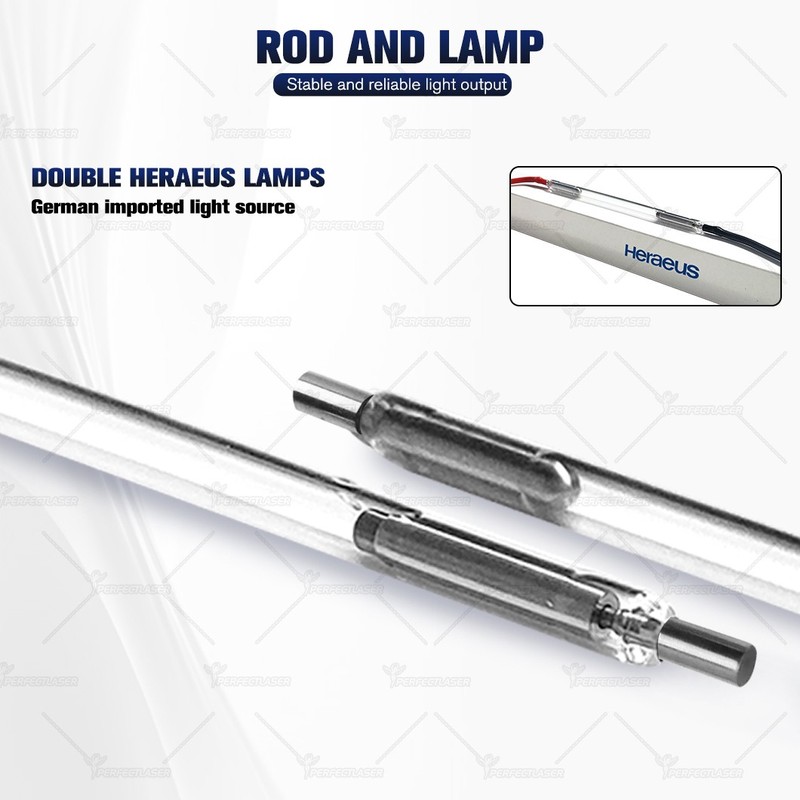
Put the comparison to work with written numbers: ask the Perfectlaser team for the UltraPico configuration and export price breakdown — wavelengths, pulse platform, service life and support terms itemized on the same lines as any competitor — and you will be pricing a Pico Laser Tattoo Removal Machine on configuration rather than on the widest range you can find.
 English
  Arabic
  Chinese
  Dutch
Dutch  French
  German
  Italian
  Portuguese
  Russian
  Spanish