
Short answer: packages suit this service because the work is inherently a course rather than a single visit. A well-built package describes the course honestly, prices it from your own cost base, and makes the next appointment easy to book — while a badly built one sells certainty the pigment cannot deliver and creates refund arguments later.
Owners usually arrive at packaging from a diary problem: sessions are booked one at a time, clients drift between visits, and the room’s utilisation never quite settles. Packaging is the standard answer, and it works when it is built around the treatment’s actual shape. A Pico Laser Tattoo Removal Machine course proceeds over months, with intervals set by how the skin recovers and results arriving on a clearing delay, which means the booking rhythm is part of the clinical plan rather than a marketing overlay. This guide covers how to structure a package, how memberships differ from bundles, how to price without promising outcomes, and the terms that keep both sides out of disputes.
Why Packages Suit This Service
Three characteristics make removal work a natural fit for packaging. The picosecond treatment is a course, so clients expect several visits and a bundle matches that expectation rather than manufacturing it. The intervals are clinically defined, which means a package can schedule appointments at the right spacing and keep the course on track. And the outcome is progressive, so each visit has a visible purpose and the client has a reason to return that is clinical rather than promotional. There is also a practical benefit for the clinic: a package converts an uncertain diary into planned hours, which makes staffing and consumable ordering easier. The caution is that packaging changes the conversation from treatment to purchase, and everything in the package must therefore be deliverable — including its wording.
The Anatomy of a Treatment Package
A defensible package has four components and states all of them. The first is a defined number of sessions, described as a planning range or a stage-based structure rather than as a promise that the tattoo will be gone. The second is what is included beyond the sessions themselves: the initial assessment, the patch test, any review appointments, aftercare products, and interval photography. The third is the validity period and how the intervals are scheduled, since a package with no expiry invites drift and one with a short expiry creates pressure. The fourth is the pricing structure — a single price, an instalment plan or a per-session discount — together with the terms if the client stops partway through. Writing those four elements plainly is what turns a discount into a service.
Memberships and Maintenance Plans
Memberships suit a different pattern. They work best where the service is ongoing — maintenance for clients managing a larger removal project, or a plan covering several small pieces, or an arrangement for clients who want a fixed monthly cost rather than per-session pricing. The design questions are the same as for packages, with one addition: a membership implies an ongoing relationship, so it needs a defined scope per period and a clear rule for what happens in a month when the client does not attend. When a membership includes services in adjacent lanes — pigmentation work, for example — the clinical caveat is that each application must be permitted and appropriate for the individual, which is why services are better listed as options than bundled as entitlements. A membership that promises treatment the clinic cannot lawfully or appropriately deliver is a liability wearing a monthly price.
Pricing Structure Without Overpromising
Price from your own numbers rather than from the market’s. Build the figure from the cost per session — consumables and wear items on a picosecond platform such as handpieces and their internals, staff time, room overhead — plus the fixed costs the appointment consumes, and then decide the package price and the discount the bundle can carry. Present the plan with the course described as a planning range refined as the response becomes visible, and state plainly what the package does not include: additional sessions beyond the bundle if the pigment needs them, treatment of a piece larger than the one assessed, or services in another lane. Any revenue figure quoted to you by anyone — including a supplier — is a planning-range illustration rather than a forecast, because income depends on your local market, your pricing and your occupancy. The pricing conversation is where a clinic’s honesty about the process is either confirmed or quietly abandoned.
The Booking Rhythm That Makes Packages Work
A package only delivers its value if the appointments actually happen at the right intervals. Three habits help. Book the next appointment before the client leaves, with the date chosen to respect the interval the skin needs rather than the first slot available. Send reminders a few days ahead and a short note if an appointment is missed, focusing on why the interval matters clinically. Keep the progress record current, with consented interval photography, so that each visit begins with evidence and ends with a clear next step. A package also gives the front desk a natural moment to review progress and adjust the plan at defined stages, which is the point at which additional sessions can be discussed honestly — as a continuation of the course rather than as an upsell.
Terms, Refunds and Local Consumer Rules
Consumer law governs how packages may be sold and cancelled, and the rules differ by jurisdiction: cooling-off periods, deposit limits, expiry rules and refund entitlements are all set locally and can be strict. The practical work is to have the terms written by someone qualified in your market, expressed in plain language on the document the client signs, and applied consistently rather than improvised in a difficult conversation. The clauses worth settling first are what happens if the client stops partway through, whether unused sessions are transferable or refundable, what the position is if the clinic considers further sessions necessary, and how a medical reason for stopping is handled. Clinics that resolve those questions in writing before selling anything rarely need to argue about them afterwards, and clients accept clear terms far more readily than vague ones.
What a Package Should Never Do
Some designs are worth refusing on principle. A package should never promise complete removal, or a specific number of sessions with certainty, because the pigment and the individual decide the outcome. It should not bundle an adjacent service that requires assessment or a qualification the team does not hold, or imply that every client is suitable for every option. It should not hide the interval requirements to make the price look more attractive, since a package that schedules sessions too closely is selling something the skin cannot accept. It should not tie the client to a course that assessment later shows to be inappropriate; the terms should allow the plan to change with the clinical picture. And it should not present discount photography or another client’s result as a forecast. A package built on those refusals still sells well — it simply sells a plan rather than a promise.
| Element | What to specify | Common mistake |
|---|---|---|
| Sessions | Stage-based or planning range, with the interval | Fixed number and promised result |
| Inclusions | Assessment, patch test, reviews, aftercare, photography | Listing only the treatment passes |
| Validity | Expiry and scheduling rules | No expiry, causing diary drift |
| Price | Single price or instalments, from your own cost base | Copied from a competitor’s menu |
| Additional sessions | Clear rule and price if the course runs longer | Implying the bundle is always enough |
| Cancellation | Local consumer law terms, in plain language | Improvised policy at the point of dispute |
| Adjacent services | Listed as options subject to assessment | Bundled as entitlements |
Veelgestelde vragen
1. Should I sell a fixed number of sessions as a package?
Describe the bundle as a stage-based plan or a planning range rather than a promise, and state in the terms what happens if further sessions are needed. Clients accept that framing readily when the reason is explained, and it prevents the dispute a fixed promise invites.
2. How should a package be priced?
From your own cost base: consumables and wear items, staff time and room overhead per session, plus the fixed costs the appointment consumes. Any market figure you have seen is a planning-range illustration rather than a benchmark you should adopt.
3. Do memberships work better than bundles?
They suit different patterns. Bundles fit a defined course with clinical intervals, while memberships fit ongoing relationships — maintenance across a longer project or several small pieces. Both need a defined scope per period and clear terms.
4. What if a client wants to stop partway through?
Your written terms decide, and they must comply with local consumer law on cancellation and refunds. Settle the rule before you sell the package, express it in plain language, and apply it consistently rather than negotiating case by case.
5. Can I bundle pigmentation or scar services into a package?
List them as options subject to assessment rather than as entitlements, because each application has its own suitability requirements, and in some cases its own regulatory position. Confirm your scope locally before advertising any of it.
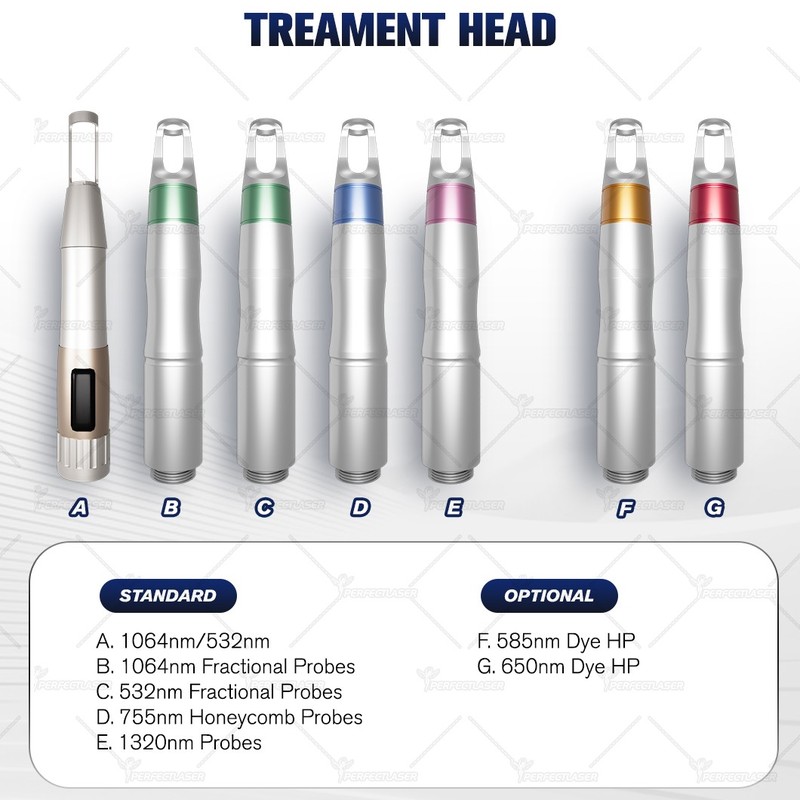
If packaging is the next thing on your list, the numbers to build it from are the ones a supplier can put in writing — ask the Perfectlaser team for the UltraPico configuration details, wear-item costs and service intervals, and price your Pico Laser Tattoo Removal Machine packages against your own costs rather than a competitor’s menu.
 English
 Arabic
 Chinese
 Dutch
 French
 German
 Italian
 Portuguese
 Russian
 Spanish