
Wat is de rol van de CO2 laser in cosmetische chirurgie?
Wat is de wetenschap achter CO2 lasertechnologie?
CO2 lasersystemen houdt een sleutelpositie in vandaag’ esthetische geneeskunde. Ze onderscheiden zich door hun nauwkeurigheid en effectiviteit. Deze lasers geven infrarood licht vrij. Dit licht werkt met weefsels die water bevatten. Het maakt zorgvuldige verdamping van specifieke huidlagen mogelijk. De golflengte van 10.600 nm houdt schade aan nabijgelegen gebieden laag. Tegelijkertijd biedt het sterke resurfacing resultaten.
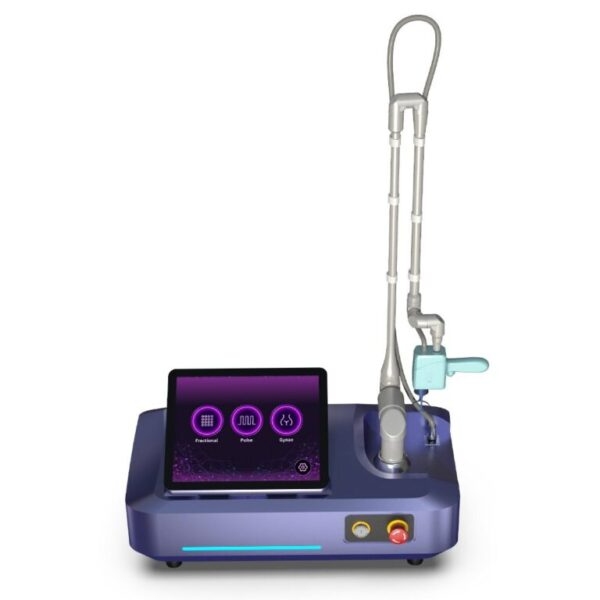
De CO2 fractionele laser is een populaire en moderne laser tool in de dermatologie en esthetische geneeskunde. Het helpt voornamelijk bij het herzien van de huid, verjonging en het behandelen van verschillende huidproblemen.
Fractionele technologie splitst de balk in kleine kolommen. Met deze instelling kunnen artsen geselecteerde zones behandelen. Het versnelt ook de genezing door het aanmoedigen van weefsel vernieuwing. Bij Perfectlaserwij gebruiken geavanceerde systemen. Ze zijn voorzien van veranderlijke CO2 laserparameters en flexibele CO2 laser spot grootte keuzes. Deze zorgen voor een exacte energielevering voor verschillende huidtypen.
Hoe is CO2-lasertechnologie ontwikkeld in esthetische geneeskunde?
Initiële continue golf CO2 De lasers werkten goed. Vaak leiden ze echter tot te veel warmteschade. Na verloop van tijd, ultrapulseerde en fractionele versies beter beheerd pulslengte en energie niveaus.
Precisie en aanpassing: CO2 Fractionele lasers sturen energie in een verdeeld patroon. Dit maakt het mogelijk om nauwkeurig op bepaalde plekken te richten. Het doet dit zonder aanzienlijke schade aan nabijgelegen weefsels.
De huidige systemen omvatten gebruiksvriendelijke digitale bedieningen. Deze laten artsen fractionele CO2 laserinstellingen voor elke patiënt’ specifieke situatie. Onze Perfectlaser apparaten gebruiken deze updates. Ze verbeteren zowel de veiligheid als de behandelingsresultaten.
Werkingsmechanismen bij huidverjonging en resurfacing
Controleerde ablatie en collageen remodeling
Het proces van CO2 laser verjonging hangt af van zorgvuldige ablatie. Het is ook afhankelijk van het volgen van collageen stimulatie.
De CO2 fractionele laser maakt kleine, beheerde letsels op de huid’ s bovenste laag. Deze verwondingen beginnen het lichaam’ s natuurlijk reparatieproces. Ze stimuleren collageen productie en ondersteunen huidvernieuwing.
Dit leidt tot dermale remodeling. Hitte veroorzaakt dat collageen krimpt, wat de huid strakt. Nieuw collageen bouwt zich in de loop van maanden op.
Fractionele fotothermolyse en weefselregeneratie
Fractionele fotothermolyse vormt kleine hittezones. Deze zones beginnen genezingsprocessen zonder al het omliggende weefsel te verwijderen. Onaangeraakte gebieden tussen de zones versnellen de hergroei van de huid. Dit vermindert de hersteltijd in vergelijking met oudere ablatieve technieken. De mix van ablatiediepte en dichtheid is belangrijk. Artsen controleren het via CO2 laserparameters, en dit vormt de uiteindelijke resultaten.
Klinische toepassingen van CO2-lasers in cosmetische procedures
Gezichtsverjongering en rimpelvermindering
CO2 lasers uitsteken bij het verminderen van rimpels rond de ogen, mond en voorhoofd. Huid Resurfacing: CO2 Fractionele laserbehandelingen werken zeer goed voor het opnieuw oppervlakken van de huid. Ze verminderen rimpels, fijne lijnen, zonneschade, leeftijdsvlekken en acne littekens. Onze Perfectlaser apparaten laten beoefenaars fractionele CO2 laserinstellingen. Dit verbetert de huidkleur, bounce en gloed. Het beperkt ook warmte-gerelateerde bijwerkingen.
Litteken herziening en huid onregelmatigheden
CO2 lasers zelfs uit verhoogde littekens, acne littekens, en merken van chirurgie. Dit gebeurt door middel van managed resurfacing. Fractionele modi verkorten de genezingstijd. Ze houden gezond weefsel veilig rond behandelde plekken. Onze systemen bieden veranderlijke energieniveaus. Deze bieden aangepaste oplossingen voor littekenvarianten. Ze verbeteren ook collageen vernieuwing.
Pigmentatiestoornissen en correctie van fotoschade
Het omgaan met zonnevlekken of grove zonneschade vereist exacte energiecontrole.
De laser verwijdert beschadigde bovenste huidlagen. Dit stimuleert de groei van verse, betere huidcellen.
Onze apparaten’ verstelbare CO2 laser spot grootte garandeert nauwkeurige hits op gekleurde vlekken. Het vermindert de kans op verduistering na ontsteking.
Integratie van CO2 Laser met andere esthetische modaliteiten
Combinatietherapieën voor verbeterde resultaten
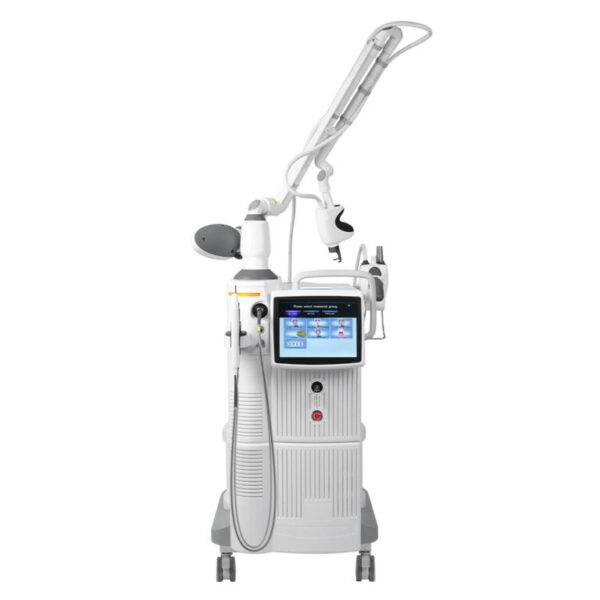
Koppeling van CO2 laserbehandeling met platelrijk plasma (PRP) kan de genezing versnellen. Dit gebeurt door de productie van collageen te verhogen. Gebruik het een na een met radiofrequentie of microneedling voegt diepere huidveranderingen toe. Chemische peels of huidcrèmes kunnen de behandeling volgen. Ze ondersteunen de nieuwe huidgroei gestart door onze Perfectlaser systemen.
Pre-behandelingsplan en postoperatieve zorgprotocollen
Een volledige controle zorgt ervoor dat de behandeling past op basis van persoonlijke gegevens zoals huidtype of ernst van het probleem. Voorbereidende stappen voor de behandeling helpen risico's zoals infectie of kleurveranderingen te vermijden. Na verzorging richt zich op het houden van de huid vochtig, beschermen tegen de zon, en het verlichten van zwelling. Dit helpt bij het bereiken van het beste herstel.
Veiligheidsoverwegingen en risicomanagementstrategieën
Het beheer van risico's en complicaties van thermische letsels
Een correcte instelling is cruciaal om te veel stolling of branden tijdens behandelingen te voorkomen. Koelfuncties in onze apparatuur houden warmte, zelfs in behandelde gebieden. Het kennen van grenzen, zoals recent gebruik van isotretinoïne of lopende infecties, is de sleutel tot veilig gebruik bij het instellen van fractionele CO2; laserinstellingen.
Lange termijn patiënt monitoring en evaluatie van de resultaten
Geluidige check-ins laten artsen genezing volgen via foto's. Deze meten textuur winst in de loop van de tijd. Veranderingen in latere sessies zijn afhankelijk van weefselverschuivingen die na de eerste rondes worden gezien. Wij gebruiken op maat gemaakte CO2 Laserparameters hiervoor.
Toekomstige richtingen in CO2 Lasergeassisteerde Cosmetische Chirurgie
Technologische innovaties die de volgende generatie apparaten vormgeven
Nieuwe gemengde technologieën combineren snijden en niet-snijden golflengten voor een betere nauwkeurigheid. AI-gebaseerde gidsen zullen binnenkort live controles aanbieden op weefselreacties tijdens sessies. Dit maakt gebruik van onze Perfectlaser platforms. Kleinere fractionele systemen maken behandelingen ook gemakkelijker in klinische instellingen.
Vooruitgang in gepersonaliseerde behandelprotocollen
Het toevoegen van patiëntengengegevens zal helpen bij het voorspellen van genezingssnelheden op basis van persoonlijke collageenpatronen. 3D image mapping zal gerichte vernieuwingspunten verbeteren. Het verhoogt de nauwkeurigheid van de procedure met fijnafgestemde CO2 Laser spot grootte instellingen.
Veelgestelde vragen
Q: Wat maakt onze Perfectlaser CO2 systemen uniek?
A: Wij combineren geavanceerde digitale interfaces met aanpasbare CO2 laserparameters die zich precies aanpassen aan de behoeften van elke patiënt voor optimale resultaten.
Q: Hoe is downtime vergeleken met andere behandelingen?
A: CO2 fractionele laserbehandelingen zijn invasiever in vergelijking met andere niet-ablatieve laserprocedures. De downtime en herstelperiode na de behandeling kunnen variëren afhankelijk van de intensiteit en diepte van de behandeling.
V: Zijn meerdere sessies nodig?
A: Optimale resultaten met CO2 Fractionele laser vereist vaak een reeks behandelsessies met een afstand van enkele weken.
V: Kunnen Perfectlaser apparaten zowel littekens als pigmentatie behandelen?
A: Ja, verstelbare fractionele CO2  van onze systemen; met laserinstellingen kunnen artsen verschillende aandoeningen, waaronder littekens, rimpels en pigmentatieonregelmatigheden, efficiënt behandelen terwijl veiligheidsnormen worden gehandhaafd.
 English
  Arabic
  Chinese
  Dutch
Dutch  French
  German
  Italian
  Portuguese
  Russian
  Spanish