
Wat is pulsduur in lasertechnologie?
Hoe wordt de pulsduur in lasersystemen gedefinieerd?
Duur van de puls Dit geeft de tijdsduur aan waarin een laser energie vrijgeeft in één puls. Het bepaalt hoe lang de laserstraal het materiaaloppervlak raakt. Deze factor is bepalend voor de nauwkeurigheid en de warmteontwikkeling. Afhankelijk van het systeem en de toepassing wordt de tijdsduur gemeten in nanoseconden, picoseconden of femtoseconden.
Bij diodelasersystemen wordt de pulsduur doorgaans geregeld in het millisecondenbereik (10-400 ms), wat verwijst naar energiemodulatie op systeemniveau en niet naar de werkelijke pulsduur van de laser. Het laat zien hoe gebruikers de breedte kunnen aanpassen. Ze stemmen de energieafgifte af op elk oppervlak en elke toepassing. Dit bereik biedt flexibiliteit voor zowel zachte als harde materialen.
Waarom is pulsduur belangrijk voor industriële toepassingen?
De pulsduur bepaalt de nauwkeurigheid, de warmteverspreiding en de verwijderingssnelheid. Korte pulsen beperken de warmteverspreiding naar nabijgelegen zones. Ze beperken schade en houden de snijkanten scherp. Lange pulsen zijn nuttig wanneer snelheid of diepere sneden het belangrijkst zijn.
Bij graveren, snijden of micromachining bepaalt de juiste breedte of er een schoon resultaat ontstaat of dat er extra smeltmateriaal vrijkomt. Door de timing goed te controleren, kunnen makers een balans vinden tussen snelheid en detail.
Hoe verhoudt de pulsduur zich tot de laserenergieopbrengst?
De pulsduur bepaalt ook het piekvermogen. Korte pulsen concentreren energie in een kortere tijd en verhogen het piekvermogen, zelfs bij een matige totale energie. Lange pulsen verdelen de energie gelijkmatig en verminderen de belasting van het doelwit.
Een evenwicht tussen breedte en energie levert goede resultaten op. Het maakt een schone verwijdering mogelijk zonder overmatige hitte of zwakke sneden.
Wat is het verschil tussen nanoseconde-, picoseconde- en femtoseconde-lasers?
| Type | Duur van de puls | Warmte-effect | Sollicitatie |
| Nanoseconde (ns) | ns | Matige hitte | markering, tatoeage verwijdering |
| Picoseconde (ps) | ps | Lage temperatuur | pigmentverwijdering |
| Femtoseconde (fs) | fs | Minimale warmte | microbewerking |
Wat zijn de kenmerken van nanoseconde (ns) pulslasers?
Nanoseconde lasers zenden pulsen uit die miljardsten van een seconde duren. Ze zijn geschikt voor algemene markering, reiniging en gravering waarbij geen grote precisie vereist is. Hun langere contacttijd zorgt voor gecontroleerde warmte die bepaalde oppervlakteveranderingen bevordert.
Eén model uit ons assortiment maakt gebruik van een pulsbreedte van 12 ns in Nd-YAG-systemen voor het verwijderen van tatoeages en pigmentatie. Deze opstelling laat zien hoe ns-lasers kracht en controle combineren voor toepassingen in de industrie en de schoonheidsindustrie.
Waarom zijn picoseconde (ps) lasers nauwkeuriger?
Picoseconde lasers werken in triljoensten van een seconde. Ze maken koud werk mogelijk met minimale warmteverspreiding. Ze zijn geschikt voor microbewerking van metalen, chips en kunststoffen, waarbij de vorm exact behouden moet blijven.
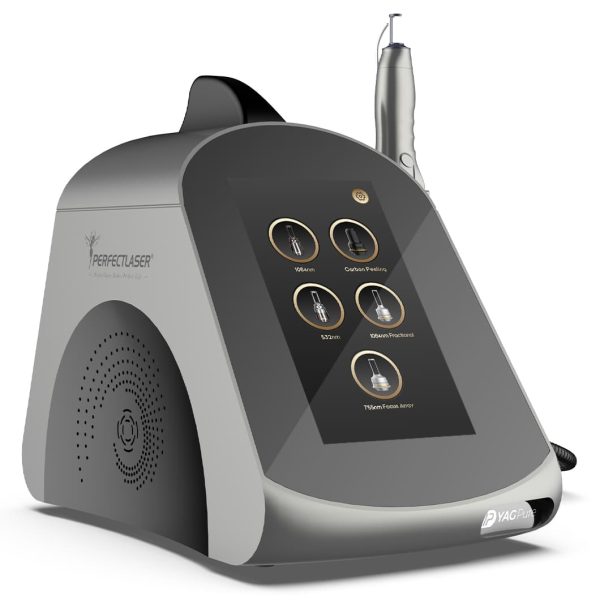
Onze picoseconde lasers tonen deze kracht aan. TYPE LASER Picoseconde GOLFLENGTEN Standaard: 1064 nm, 532 nm, 755 nm en 1320 nm. Optioneel: 585 nm/650 nm ENERGIE 100-500 MJ (instelbaar) FREQUENTIE 1 Hz-10 Hz (instelbaar). Deze specificaties zorgen voor een hoog piekvermogen en een stabiele output bij diverse frequenties.
Waarom worden femtoseconde (fs) lasers gebruikt voor ultranauwkeurige bewerkingen?
Femtoseconde lasers genereren pulsen die quadriljoensten van een seconde duren. Elektronenveranderingen vinden plaats voordat warmte zich kan verplaatsen. Dit zorgt voor athermische verwijdering zonder smelten of vervorming van het oppervlak.
Ze worden gebruikt bij de productie van geavanceerde chips en medische apparaten, waar submicrondetails vereist zijn. De korte contacttijd zorgt ervoor dat de randen op kleine schaal schoon blijven.
Hoe kies je de juiste pulsduur voor jouw toepassing?
Welke factoren beïnvloeden de keuze van de pulsduur?
De keuze van de pulsbreedte hangt af van het materiaal, de dikte, de gewenste glansgraad, het eindresultaat en de benodigde snelheid. Reflecterende metalen vereisen vaak korte pulsen om oververhitting te voorkomen. Polymeren kunnen langere pulsen gebruiken voor gladde randen.
Energiedichtheid en herhalingsfrequentie vereisen aandacht. Te veel energie bij een kleine breedte kan plasmavorming veroorzaken. Te weinig energie bij een grote breedte vertraagt het werk.
Welke industrieën profiteren van verschillende pulsduur?
Nanoseconde-toepassingen: Algemene productie en markering
Nanoseconde lasers worden in fabrieken gebruikt om onderdelen te markeren. Ze graveren nummers op auto-onderdelen of codes op plastic behuizingen. Matige hitte zorgt voor een snelle output en duurzame markeringen.
Picoseconde-toepassingen: precisie-microbewerking en elektronica
Picoseconde lasers Boor kleine gaatjes en patrooneer printplaten of filmtransistoren. Korte belichtingstijden zijn geschikt voor warmtegevoelige onderdelen.
Femtoseconde-toepassingen: medische apparaten en halfgeleiderfabricage
Femtoseconde lasers snijden stents of graveren wafers zonder bramen of scheuren. Ze zijn geschikt voor hoogwaardige productielijnen die topnauwkeurigheid vereisen.
Hoe optimaliseert Perfectlaser de pulsduurtechnologie?
Welke innovaties verbeteren de controle over laserpulsen?
We voegen slimme besturingssystemen toe. Deze passen de breedte dynamisch aan voor consistente resultaten op diverse materialen. Onze diode-units omvatten een laservermogen van 3000 W (optionele laseremissiemodus: diodelaser), een laservoeding van 36 V 120 A / 30 V 200 A, een 15,6 inch scherm met een resolutie van 1920*1080 en een Android 11-padconfiguratie. Deze componenten zorgen voor een stabiele output, zelfs bij langdurig gebruik.
Live check-modules bewaken elke puls. Ze elimineren variaties die de kwaliteit kunnen schaden.
Hoe garandeert Perfectlaser procesconsistentie over het gehele nanoseconde- tot femtosecondebereik?
Perfectlaser Met de software kunnen gebruikers eenvoudig schakelen tussen nanoseconde- en femtoseconde-modi. Optics, blijf op de hoogte voor gelijkmatige bundels bij elke gewenste breedte of golflengte.
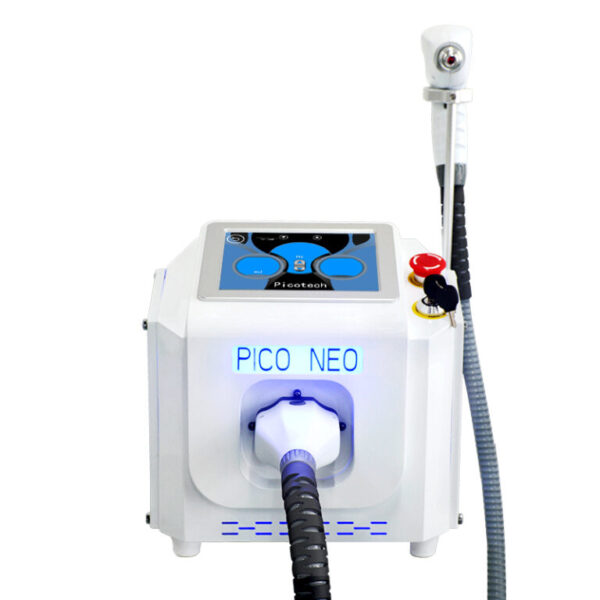
Bijvoorbeeld: GOLFLENGTE 755nm-808nm-940nm-1064nm SPOTGEBIED 12*12,12*20,12*30 Gezichtspuntsonde KOELSYSTEEM Luchtkoeling + Compressor (600W) zorgt voor stabiele straalprestaties onder uiteenlopende omstandigheden, van grof graveren tot fijn verwijderingswerk.
Veelgestelde vragen
Vraag: Wat is de pulsduur in lasersystemen?
A: Pulsduur is de tijd dat een laser energie uitzendt in één puls. Het bepaalt de nauwkeurigheid, de warmteontwikkeling en de uiteindelijke kwaliteit bij laserbewerking met pulsduur.
Vraag: Welke invloed heeft de duur van een laserpuls op de kwaliteit van de materiaalbewerking?
A: Laserinstellingen met een korte pulsduur beperken de warmteverspreiding en voorkomen verbranding of vervorming. Langere instellingen verhogen het vermogen wanneer het materiaal de warmte kan verdragen.
Vraag: Wat is het verschil tussen een pulsduur in nanoseconden, picoseconden en femtoseconden?
A: Nanoseconde lasers zijn geschikt voor eenvoudige gravures. Picoseconde lasers bieden fijnere controle. Femtoseconde systemen leveren nauwkeurig microwerk met vrijwel geen warmteontwikkeling. Elk type laser is geschikt voor verschillende toepassingen, afhankelijk van het gewenste detailniveau.
Vraag: Waarom is het begrijpen van de betekenis van pulsduur belangrijk voor B2B-kopers?
A: Inzicht in de betekenis van pulsduur helpt bedrijven bij het kiezen van gereedschap dat aansluit bij hun productiedoelstellingen. Het zorgt voor een evenwicht tussen snelheid en productkwaliteit in een concurrerende productieomgeving.
Vraag: Hoe kunnen bedrijven de laserprestaties optimaliseren op basis van de ingestelde pulsduur?
A: Ze stemmen de pulsduur en laserbreedte af op het materiaal en het gewenste resultaat. Dit is mogelijk voor markeringen in nanoseconden of microbewerkingen in femtoseconden en zorgt voor een constante kwaliteit dankzij slimme besturing in moderne diode-units.
 English
  Arabic
  Chinese
  Dutch
Dutch  French
  German
  Italian
  Portuguese
  Russian
  Spanish