
Short answer: A wholesale EMS Body Slimming Machine line stands on one hero unit, a price ladder that holds, and a compliance plan for US and EU distributor markets. Durable profit comes from demo, training and repeat consumables. Not from chasing the lowest invoice price.
Distributors who sell into the US or EU rarely fail on the product.
They fail at the edges. A ladder that collapses at the second tier. A demo unit nobody can run confidently.
A compliance gap that surfaces after the first shipment clears customs.
None of this is a promise of exclusivity. None of it is a margin figure handed to you.
It’s a structure you build, then defend. We build these platforms and support distributor lines.
Which Unit To Stock
New distributors overbuy variety. Six models in three colours look strong on a price list.
They look impossible to support from one warehouse.
A tighter line sells better. One hero platform carries your reputation.
One entry model answers price-sensitive enquiries. One premium configuration suits clinics that want everything on day one.
Three configurations usually cover a market. Hero. Entry. Premium.
Anything more ties up cash and shelf space. Anything less leaves enquiries unanswered.
Ask your desk which unit enquiries already name. That answer picks the hero.
Support Beats Catalogue
Score four things when you compare units.
Does the platform cover the areas your clients ask for? Can it take your region’s voltage?
Are the wear parts stocked and shipped quickly? Can your staff run the screen without calling you?
Ask how fast a spare part ships. Ask who answers at the weekend.
Support is the product a distributor actually sells.
A line is won on support. Three well-supported configurations beat nine that nobody can service.
Price Ladder Rules
A ladder fails when every tier can buy at the next tier’s rate.
Fix the rules before you publish anything. Decide who qualifies for each level.
Decide what volume or capability earns the step. Decide what each tier contributes.
Name the qualification rules plainly. Volume. Demo stock. Training. Service coverage.
Tie every discount to a commitment. Then the step is earned, not requested.
Write it down. A ladder that lives in a spreadsheet gets renegotiated by every large enquiry.
Protect Both Ends
Margin at each tier is a planning range. Not a fixed percentage.
It moves with your landed cost. It moves with the volume you commit.
It moves with the service you promise. It moves with what your local market will bear.
Build the ladder so the bottom tier still covers freight, warranty handling and a demo unit.
Anything below that line is a loss leader you chose to fund.
A ladder never reviewed drifts. One price slowly absorbs every tier.
Protect the top and the bottom at once. If the master tier can undercut a regional tier inside its own area, the structure won’t last a year.
Channel Tiers
Four tiers usually appear.
A master importer takes container volume and several configurations. Territory clarity and priority stock keep them loyal.
A regional distributor takes pallet volume plus demo stock. Training and fast spare parts keep them loyal.
A clinic buys one to three units. Set-up help and response time matter most.
A gym or studio buys an entry configuration and consumables. Simple guidance keeps them.
Write the buying pattern beside each tier. It tells you what to stock.
Price logic differs at each step. Volume. Service. Commitment.

US And EU Split
Voltage is the first practical split.
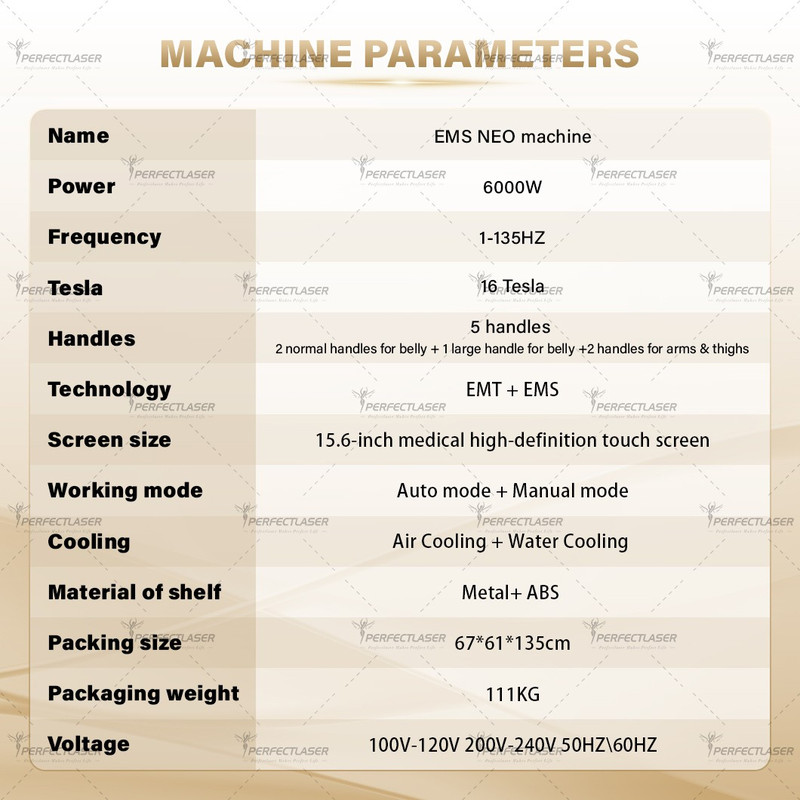
A 100–120V configuration suits the United States. 200–240V at 50/60Hz suits most of Europe.
Order the right variant at the factory. Converting locally costs more.
Settle the mix before the production run. Not after the crate lands.
Label the crate by destination. Mixing variants in one shipment causes confusion later.
Documentation Split
Paperwork expectations differ by market.
Labelling. Manual language. The regulatory pathway that applies.
Those are buyer responsibilities. Draw them up with local advisers before you commit to stock.
Agree in the supply contract what travels with the machine. Declaration documents. Test reports. A spare-parts list. A warranty schedule.
Keep one folder per market. Add to it with each shipment.
A missing document can hold a container at the port. That delay costs a demo date.
Treat the US and the EU as two supply plans. The unit may look identical. The paperwork rarely is.
Demo Sells Hardware
Hardware moves when the end user can picture it working.
Run demo sessions in a real room. Use a clinician or trainer who understands the modes.
Show how the five handpieces map to different body areas. Show the 15.6-inch screen changing mode.
Book the demo like a real appointment. Thirty minutes of chat proves nothing.
Put the handpieces on a table. Let the visitor hold one.
Invite two clinic owners to the same session. Peer interest closes faster than a brochure.
A monthly demo beats a PDF every time. One converts. The other waits.
Training Behind Demo
Training sits right behind demo.
Whoever runs the machine needs the standard session flow. They need to record settings.
They need to inspect a handpiece between clients. They need to know when to stop.
Screening decisions are made per person. Under local regulations and clinical judgement.
Never from a fixed tick-box. Staff should be taught to say so plainly.
Train two people per site. Not one.
Write down who was trained. And when.
One trained operator is a risk. A single sick day can close the room.
A distributor’s real product is competence. The machine is how that competence gets delivered.
Revenue As A Range
Distributors want a number to model. The honest number is a planning-range illustration.
Gross margin depends on your client mix. On the price you set. On how fully each unit is used.
It depends on local rules covering how the service may be offered.
Change one variable and the picture moves.
A model still exists. Estimate your landed cost per unit. Estimate monthly placements.
Add the consumable and service revenue each placement brings.
Consumables carry repeat revenue. So does service.
Hardware sells once. The relationship sells again.
Individual results vary. No supplier can promise a payback period.
The operating variables sit with you. Not with the factory.
Build the model from your own numbers. A plan borrowed from a brochure is a hope with a spreadsheet attached.
Review the model after real placements begin. Then correct it with your accountant.

First Shipment
How much for the first order?
Enough for one demo unit. Enough for one spare on the shelf.
Enough to answer the first few clinic enquiries without a second order.
Ask for the next tier’s threshold before you decide. Then judge the cash it locks up.
Volume thresholds are subject to quotation. Compare the next tier’s price against the cash you tie up.
Starting slightly under the ideal tier usually beats overstocking an untested configuration.
The Voltage Question
Should you standardise on one voltage for both markets? No.
Order the variant each region needs. Don’t convert locally.
The platform supports both 100–120V and 200–240V at 50/60Hz.
Split the order by destination. Confirm the mix before production.
Check the label on each crate. Match it to the destination before dispatch.
Local conversion adds cost. It adds delay. It adds a warranty question you’d rather avoid.
Paperwork Flow
Four documents should follow the machine.
Declaration documents. Test reports. The spare-parts list. The warranty schedule.
Agree which items the factory supplies. Agree which your advisers prepare.
Give your advisers time. Their work sits outside the factory schedule.
Put that split in the contract. Paperwork that arrives late delays the first demo.
The first demo pays for the container.
Hold The Structure
A wholesale line is a system. Not a product list.
Choose a few supportable configurations. Set a ladder you’ll defend.
Run two supply plans for the US and the EU. Invest in demo and training before inventory.
Audit the ladder every six months. A structure never reviewed collapses into one price with extra steps.
Review the line each quarter. Drop what nobody buys. Add what the desk keeps hearing.
Do those things and the line compounds. Skip them and every sale starts from zero.
Planning a line? Talk to the Perfectlaser team about your target markets and tier structure. We build the platform described here and support distributors with a written specification, training material and a spare-parts schedule from the first order. The commercial terms stay subject to your local rules and your contract.
 English
 Arabic
 Chinese
 Dutch
 French
 German
 Italian
 Portuguese
 Russian
 Spanish