
The sample approval date is the hinge the rest of an OEM order swings on. Miss it by a week and the production week moves by three. Anyone ordering a customised vela body slimming machine should plan backwards from that date, because everything before it is reversible and almost nothing after it is.
Gate One: The Drawing Before the Deposit
Customisation starts as a line drawing, not a machine. Handle silhouette, grip diameter, cable exit angle, and where the clinic’s mark sits on the shell. Get that drawing signed in both directions — yours and the factory’s — before tooling begins. Disputes at this stage cost a revision. Disputes after molding cost a mold.
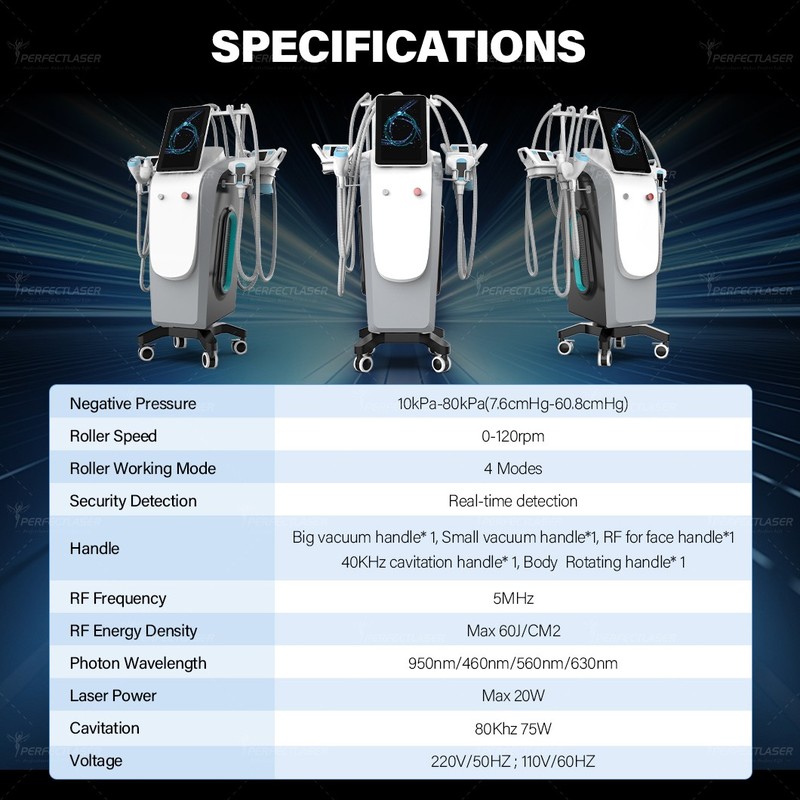
Decide early which parts are moulded and which are printed. A vacuum cup at 40×66mm has a rim geometry that tolerates very little decoration; a printed band on the handle body is cheaper to change later than a moulded logo.

Gate Two: A Working Handle, Not a Pretty One
Approve a handle by using it. Hold it at the angle your therapists actually hold it, with a glove on, for the length of a real session. Check the weight of the large vacuum cup in the hand and whether the hose pulls the wrist. Trigger travel and return matter more than colour. A handle that photographs well and tires the operator by the fourth client will be the complaint you hear in month two.
Test the interface between custom shell and standard internals. Most OEM problems sit exactly there — a shell that fits the motor but blocks the connector, or a grip that changes the balance enough to strain the coupling.
Gate Three: The Screen the Operator Reads
Software is the part buyers under-specify and clinics notice daily. Custom programs should map to how your team sequences a session: vacuum at 10–80kPa, roller speed, RF at 5MHz, photon wavelength choice, cavitation, rotary massage. Put the clinic’s own protocol names on the buttons rather than generic labels. Add a lock screen with the clinic identity if the platform supports it. Then have a therapist — not the purchaser — run the sequence and report what confused them.
Language is worth settling here too. A menu that mixes English and a local language mid-flow reads as unfinished to a client paying for a branded device.
Where the Brand Travels and Where It Does Not
Branding belongs on the shell, the screen, the manual, the certificate of origin paperwork and the packing carton. It does not belong on the internal boards, and it should not obscure the model plate or the voltage marking. A 110V/60Hz build needs its label legible no matter how the housing is finished. Keep serial numbering consistent between the plate, the screen and the shipping documents — customs and service both depend on it.
Slip Points on a Custom Calendar
Three delays repeat across OEM projects. Drawing approval drags because the marketing team and the therapist disagree about the logo. Sample shipping is quoted as production time. And the first mass-production run starts before the approved sample is back on the bench for comparison. Guard each one with a date and a named person. Then hold the approved sample at the factory as the reference unit, sealed and labelled, so the first container can be checked against something physical.

Перфектлазер handles drawing approval, handle tooling and program naming on one production calendar, which keeps the sample date and the shipping date in the same conversation. For a clinic or distributor commissioning a vela body slimming machine under its own name, that single calendar is the difference between a launch and a delay.
 English
 Arabic
 Chinese
 Dutch
 French
 German
 Italian
 Portuguese
 Russian
 Spanish