
Short answer: the two businesses are opposites that pair beautifully: laser hair removal brings steady high-frequency clients through the door, while a 皮秒激光纹身去除机 brings fewer, higher-ticket clients who stay for courses. Start with the service your market needs most, then add the second — the revenue structures feed different funnels and rarely compete.
New studio owners often ask which service to launch first, as if the choice were a technology question. It is not — it is a cash-flow question wearing a laser costume. Hair removal is a frequency business: many clients, mid-range tickets, courses that keep the diary predictably full. Tattoo removal is a value business: fewer clients, higher tickets, longer commitments and a referral story that compounds. This guide compares the two revenue structures honestly, maps how they share one treatment room, and gives you the order-of-launch logic that most owners discover only after their first year of trial and error.
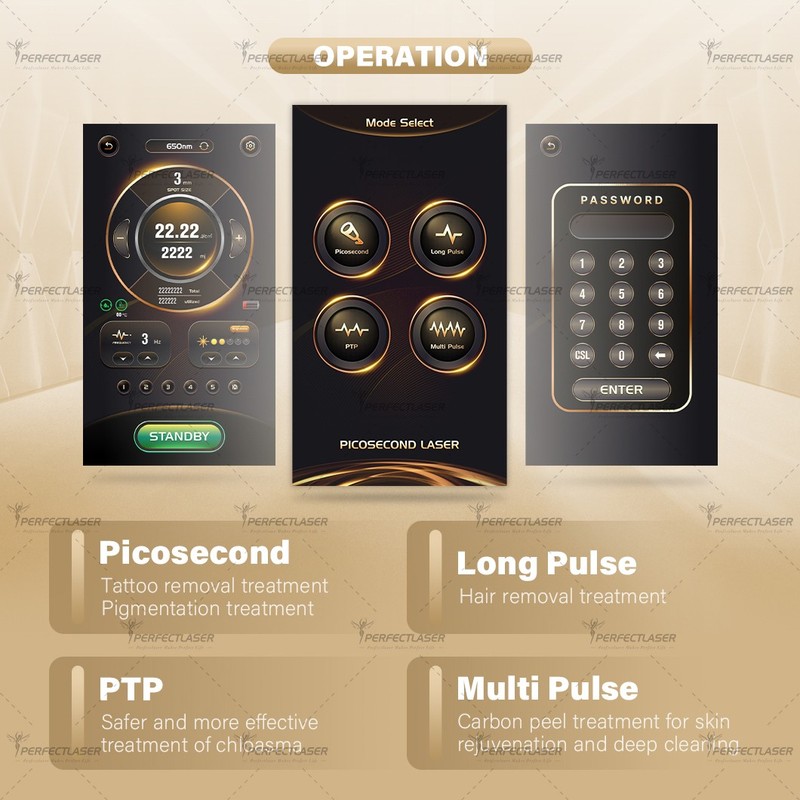
Two Businesses, Two Revenue Shapes
Draw the two revenue curves and the strategy writes itself. Hair removal earns in steady installments: clients book six-to-ten-session courses, return for maintenance, and refill the diary on a rhythm you can predict — the classic subscription-shaped business. Tattoo removal earns in milestones: a course is committed, sessions happen over weeks, the result is visible fading, and the finished client becomes a walking advertisement. Hair removal smooths the cash flow; tattoo removal lifts the average ticket and builds the reputation. A studio running only hair removal leaves money on the table with every referral it cannot serve; a studio running only tattoo removal fights a lumpier cash cycle while its room sits idle between removals. The pairing is the point — one fills the room, the other raises what the room earns.
Which Line Starts First? The Order Logic
| Factor | Start with hair removal when… | Start with tattoo removal when… |
|---|---|---|
| Cash flow need | You need steady monthly income early | You have capital to ride a ramp |
| Local demographics | Broad consumer base nearby | Visible tattoo density and removal demand |
| Marketing engine | You can run volume local SEO and offers | You can build a gallery and referral story |
| Regulatory path | Simpler licensing in most markets | Stricter oversight in some markets |
| Equipment budget | One versatile platform first | Pico machine plus course sales first |
Neither column is a rule — it is a lens. The owner who starts with the service their local market demands, prices it honestly, and adds the second line when the diary justifies it, rarely regrets the sequence. The owner who buys two machines before one is full has bought a second problem, not a second revenue stream.

The Shared Room: Equipment, Staff and Scheduling
The practical magic of the pairing is that the two services share nearly everything except the handpiece. One treatment room, one trained operator, one booking system and one consultation desk can run both — removal appointments are shorter and spaced weeks apart, while hair removal fills the gaps with high-frequency clients. The staffing question deserves honesty: each service has its own settings education, its own consent conversation and its own aftercare script, so cross-training is real training, not a poster on the wall. The scheduling discipline is what makes the room work: block hair removal days for volume, keep removal slots protected for course clients, and never let a walk-in hair removal booking cannibalize a removal course appointment — the course client is worth more over time, and the room that forgets that trades long-term revenue for a full diary.
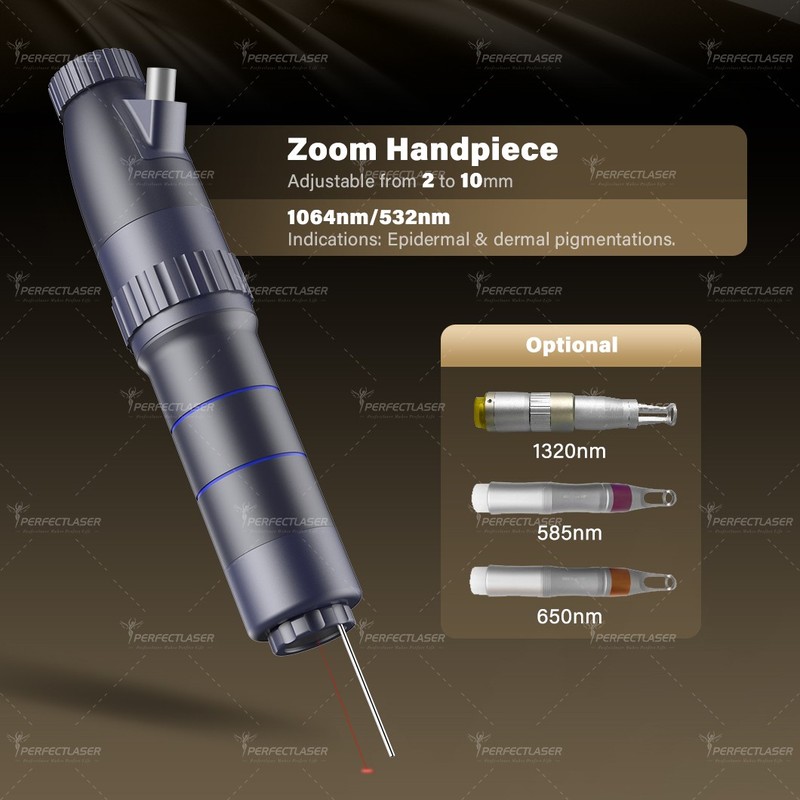
Equipment Reality: Two Machines or One Multi-Purpose Platform?
Technology has blurred the old one-service-per-machine rule, and the equipment decision deserves the same honesty as the revenue one. Hair removal and tattoo removal historically used different laser families, and multi-purpose platforms exist — but “can it do both” and “should one machine do both” are different questions. The honest checklist asks: what wavelengths and pulse regimes does the platform deliver for each service, what settings education and training cover both applications, and what does the duty cycle look like when the room runs a full day of mixed services? A clinic where one line dominates may rightly buy a dedicated machine for the lead service and add the second platform when the second line earns its own capital; a clinic with genuinely balanced demand may prefer separate platforms with deeper specialization. When you shortlist suppliers — 完美激光 included — ask for the configuration map of each platform against both services and run the utilization math before you decide.
Marketing Two Services Without Cannibalizing
Run two services and the marketing risk is that one cannibalizes the other — every removal page selling intensity talks the commitment-averse client out of the door, and every hair removal page selling convenience makes removal sound heavy. The fix is separating the conversations by intent: removal content leads with the story and the fading timeline for clients with a specific tattoo to remove, while hair removal content leads with convenience and course value. Your Google Business profile, pricing pages and booking flows should each serve one clear intent, and the cross-sell happens at the consultation desk, where a removal client hears about hair removal and vice versa. Done this way, the two funnels feed each other instead of fighting, and the studio’s reputation compounds in both directions.
First-Year Milestones for the Dual Line
Set the year in quarters and the dual-line strategy becomes a checklist instead of a blur. Quarter one is proof: whichever line you launched, fill it to a predictable rhythm before adding anything — the goal is a repeatable week, not a heroic one. Quarter two is the cross-sell: train the consultation to pair the two services naturally, put a course offer in front of every finished removal client, and start collecting interval photos with consent. Quarter three is the second line decision: when the first service runs at healthy occupancy and the second line’s inquiries justify the machine, buy with the revenue model already built, not with enthusiasm. Quarter four is the compounding quarter: reviews, referrals and the visible gallery do the marketing, and the owner’s job shifts from launching to protecting the diary. Owners who pace it this way rarely describe the year as easy — they describe it as predictable, which is the better word.
Cross-Training: One Operator, Two Scripts
The operator is the shared asset between the two lines, and cross-training deserves the same rigor as equipment selection. Each service has its own consultation script, its own settings education, its own consent form and its own aftercare language — and mixing them is how expectations go wrong. A removal client needs the session-count conversation handled honestly before the first pulse; a hair removal client needs the course conversation handled before the first patch. Structured training that names the two scripts, supervised sessions on each platform, and a written protocol the operator can consult mid-week are the difference between a room that runs two services and a room that runs two services badly. When you buy, ask the supplier what its training covers per service and how follow-up questions get answered — the operator’s confidence is the invisible half of your equipment investment. Ask Perfectlaser how its training curriculum covers each service before you book the room’s first month.
常见问题解答
1. Should I start a tattoo removal or hair removal business first?
Start with the service your local market needs most and your cash flow can support: hair removal for steady early income, tattoo removal for higher tickets and a stronger referral story. Then add the second line when the diary justifies it — the pairing is the strategy, the order is tactics.
2. Can the same machine do tattoo removal and hair removal?
Some multi-purpose platforms are configured for both, but ask the honest questions: which wavelengths and pulse regimes each service needs, what training covers both, and how the duty cycle holds up under mixed daily schedules. One machine that does two jobs adequately can beat two machines where one sits idle — and lose to two machines when both are full.
3. Which service is more profitable per session?
Tattoo removal typically commands the higher ticket per session; hair removal wins on frequency and predictable volume. The pairing is the profit story — removal lifts the average, hair removal fills the calendar — so the more useful question is what your room can run at healthy occupancy.
4. How do I price the two services together?
Price each service on its own economics — removal by area and ink difficulty, hair removal by area with course discounts — and let the consultation desk build the cross-sell. Blended discounts that blur the value of either service usually cost more than they earn.
5. Do I need separate licenses for the two services?
Requirements differ by state and region, and some markets regulate removal more strictly than hair removal. Ask your local authority what qualification applies to each service, confirm the same answers with your insurer, and treat the paperwork as part of the launch budget for both lines.
Ready to build the room that earns on both lines? Ask Perfectlaser for the dual-service comparison pack — the revenue-shape model for hair removal versus tattoo removal, and the configuration map that shows which platform serves which line — starting with the Picosecond Laser Tattoo Removal Machine range and the hair removal platform side by side on the same assumptions.
 English
  Arabic
  Chinese
  Dutch
Dutch  French
  German
  Italian
  Portuguese
  Russian
  Spanish