
The Science Behind HIFU Facial Lifting and Its Role in Modern Aesthetic Medicine
What Makes HIFU Technology Effective for Facial Lifting?
High-intensity focused ultrasound (HIFU) is a fairly fresh cosmetic skin firming method that many see as a gentle and comfortable replacement for facelifts. This approach applies focused ultrasound power to aim at lower skin levels. It boosts collagen growth without hurting the top layer. HIFU directs focused ultrasound power to hit the skin levels right under the top. The ultrasound power makes the tissue warm up fast. That managed warmth sets off a normal healing action. In the end, it produces sturdier and raised skin.
The exactness of HIFU rests on its ability to send power at set depths. These depths often fall between 1.5 mm and 4.5 mm. They line up with the dermis and superficial muscular aponeurotic system (SMAS) layer. When power centers at those depths, it gains lasting firming actions much like surgical raises. But it skips, cuts, or numbs.
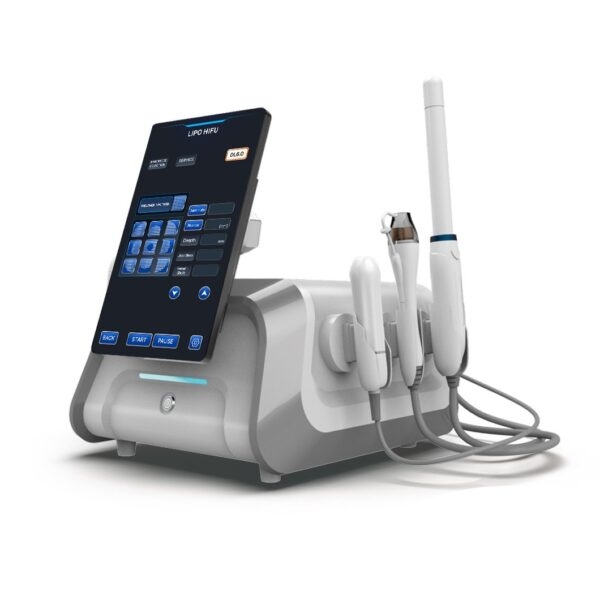
The Biological Mechanisms of HIFU-Induced Skin Tightening
The body’s reply kicks off as ultrasound waves create heat coagulation areas in the picked tissues. Cells in the aim area touch a given heat level right away. Then, they face cell harm. This handled a tiny wound, sparking a fibroblast effort. It leads to fresh collagen and elastin building. As time goes on, this reshaping boosts strength and stretch. So, it gives steady but clear facial raising actions..
How Does HIFU Facial Lifting Compare to Traditional Facial Lifting Techniques?
What Are the Key Differences Between Surgical and Non-Surgical Facial Lifting?
Surgical facial lifting calls for deep cuts, numbing, and drawn-out healing times. By comparison, HIFU facial lifting relies on body-based prompting over physical movement. High-frequency ultrasound beams zero in on a clear tissue spot below the skin’s surface. For that reason, the upper skin levels and close tissue avoid harm. This turns it into a perfect pick for folks after solid gains with a small wait time or low risk.
Why Are Experts Shifting Toward Non-Surgical Facial Lifting Methods?
The world beauty field has seen a strong turn to less invasive procedures. This comes from steps forward in tool exactness and client safety hopes. These setups from Perfectlaser give on-the-spot imaging and better depth grip. So, doctors can now bring steady gains over many facial parts, like jawline shaping or brow lift. The rising need for non-surgical facial care has also pushed new ideas in ultrasound tools. These match old facelift gains while holding ease and handiness for clients.
The Role of Collagen Regeneration in HIFU Facial Lifting Results
How Does Collagen Production Enhance the Effects of Facial Lifting?
Collagen works as the main build frame for fresh skin. When sparked by HIFU-made warmth, fibroblasts start forming new collagen strands across some months. The rise in collagen brings snugger, sturdier skin with fewer lines. Steady reshaping makes sure of step-by-step firming and raising actions. These naturally bring back facial lines over time. That makes it one of the top face methods to cut lines without cuts or shots.
Factors Influencing Collagen Response After HIFU Treatment
Client-based elements like age, skin depth, water amounts, and daily ways shape collagen renewal speeds after care. A good power setting is key. Too much warmth might bring unease risk. Too little force could hold back gains. Upkeep visits every 12–18 months aid in keeping the best raising gains. They do so by backing collagen build loops.
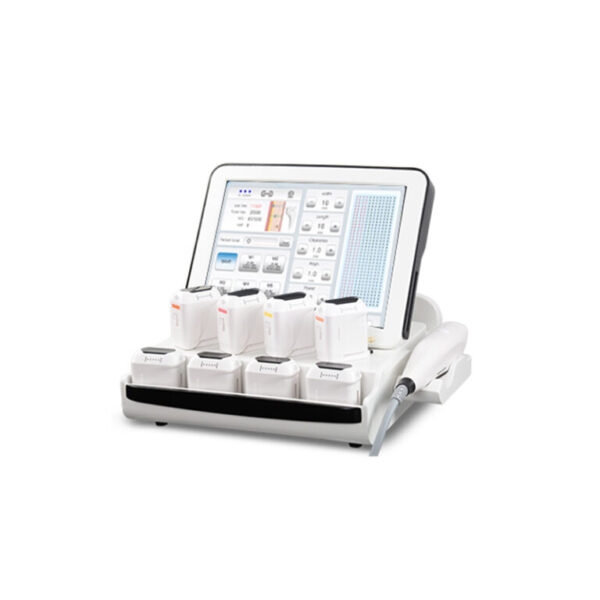
Technological Innovations Driving the Evolution of HIFU Facial Lifting Devices
How Do Modern Systems Improve Precision and Safety in Facial Lifting?
Current HIFU setups of Perfectlaser have grown a lot via new steps like multi-depth senders that give even power spread over care areas. HIFU (High-Intensity Focused Ultrasound) technology uses focused ultrasound waves to deliver precise energy deep into the tissue. It creates thermal coagulation or ablation at specific depths, stimulating collagen production, skin tightening, and tissue rejuvenation. On-the-spot imaging skills boost correctness by showing aimed tissue levels in use. This makes sure of exact sending while dodging outer skin over-warmth.
Heat watch tools fitted in top setups hold safe work limits throughout the whole session. These tech tweaks have made non-surgical facial threading lift methods more sure and easy for both doctors and clients.
The Importance of Device Calibration in Achieving Consistent Results
Tool calibration holds a main part in keeping steady ultrasound flow over many sessions. Routine upkeep ensures firmness in sound work while extending gear life. This is a key point for centers doing facial raising tasks often.
Clinical Applications and Treatment Protocols for HIFU Facial Lifting Procedures
What Are the Recommended Treatment Areas for Optimal Facial Lifting Outcomes?
Commonly targeted areas include:
- Jawline: Subcutaneous tightening enhances definition along mandibular contours.
- Cheeks: Midface connective tissues are lifted through targeted energy delivery at 3–4 mm depths.
- Brow region: Upper dermal stimulation around forehead zones achieves subtle yet effective brow elevation.
The HIFU Machine delivers focused ultrasound energy deep into the skin, stimulating collagen production and promoting tissue regeneration. It effectively addresses sagging skin, fine lines, and wrinkles across multiple regions, including the forehead, cheeks, jawline, and neck.
How Do Practitioners Customize HIFU Parameters for Individual Patients?
Customization hinges on body differences like fat spread or skin depth. Doctors tweak cartridge depth (1.5 mm–4.5 mm) to match aim areas. They also change pulse strength by client’s heart levels. Step-by-step layer care makes full renewal from the top dermis to the SMAS layers. This brings even volume raising actions fit for varied client types.
Evaluating Clinical Outcomes and Longevity of HIFU Facial Lifting Results
What Determines the Duration of Results After a Single Session?
Most patients observe visible improvements within 8–12 weeks post-treatment due to ongoing neocollagenesis processes initiated by thermal stimulation. Most clients only need one HIFU treatment. Yet, how long results last changes due to built-in aging ways and outside pulls like UV light or tobacco habits. Regular follow-up treatments every 12–18 months help maintain optimal firmness levels.
Assessing Patient Satisfaction in Professional Aesthetic Practices
Centers often use number imaging tools like 3D morphometric analysis to fairly gauge shape gains after care rounds. Client views also stress ease levels in the use steps. Plus, they note joy with step-by-step firming actions from natural body replies over fake fillers.
FAQ
Q: How long do the results of a HIFU facial lifting treatment last?
A: Results typically last between 12 and 18 months, depending on individual aging factors, skin condition, lifestyle habits such as sun protection adherence, hydration maintenance, and overall health status influencing collagen metabolism.
Q: Is HIFU facial lifting suitable for all skin types?
A: Yes—it is generally safe across all phototypes because it targets deeper structural tissues without affecting surface pigmentation or causing thermal burns.
Q: How soon can visible improvements be seen after a HIFU facial lifting session?
A: Some individuals notice immediate mild tightening post-session. However, full results manifest progressively over two to three months as newly synthesized collagen matures within dermal matrices.
Q: Are there any side effects associated with professional HIFU facial lifting procedures?
A: Mild erythema or transient swelling may occur temporarily after therapy but typically resolves within hours to days without medical intervention.
Q: Can HIFU facial lifting be combined with other aesthetic treatments?
A: Yes—when scheduled appropriately under clinical supervision, it complements adjunctive modalities like dermal fillers or laser resurfacing protocols, enhancing overall rejuvenation synergy within comprehensive anti-aging programs involving advanced facial treatment strategies, including non-invasive facial threading lift techniques.
 English
  Arabic
  Chinese
  Dutch
Dutch  French
  German
  Italian
  Portuguese
  Russian
  Spanish