
Short answer: comfort in a pico laser session comes down to three practical things: how the machine is operated, how the area is cooled, and how the appointment is paced. Sensation reports vary a lot from client to client. No clinic can honestly promise a painless session. The responsible approach is to plan for comfort instead of promising its absence.
Clients ask about discomfort more often than about wavelength or settings. It is also the question clinics answer most vaguely. A more useful answer describes what actually happens during a session, what the provider can do to reduce discomfort, and why the experience differs so much from one person and one treatment area to the next. A Pico Laser Tattoo Removal Machine delivers very short pulses. Many clients describe the sensation as a rapid flicking or snapping rather than heat, but that is a report rather than a specification, and it shifts with the area treated, the settings used, the length of each pass and how the skin is cooled. This guide covers what shapes comfort, what clinics can and cannot do about it, and how to have the conversation before treatment rather than during it.
What Comfort Actually Depends On
Several factors combine on a picosecond platform, and most of them sit under the provider’s control. Start with the treatment area. Skin over bone behaves differently from flesh on the forearm, and the ribcage and the joints each carry their own reputation. Settings and the number of passes come next, because a provider can work in stages and let the skin recover inside the appointment. Session length matters in a way clients rarely anticipate: a shorter pass at a considered setting is easier to tolerate than a long continuous one, and splitting a large piece across visits is a planning decision rather than a compromise. The client’s own state plays its part as well. Sleep, anxiety, recent caffeine, general sensitivity and how the skin settled after previous visits all feed into the experience. Comfort is managed through planning, then. Two clients receiving the same nominal treatment can still leave with very different accounts of it.
Cooling During the Session
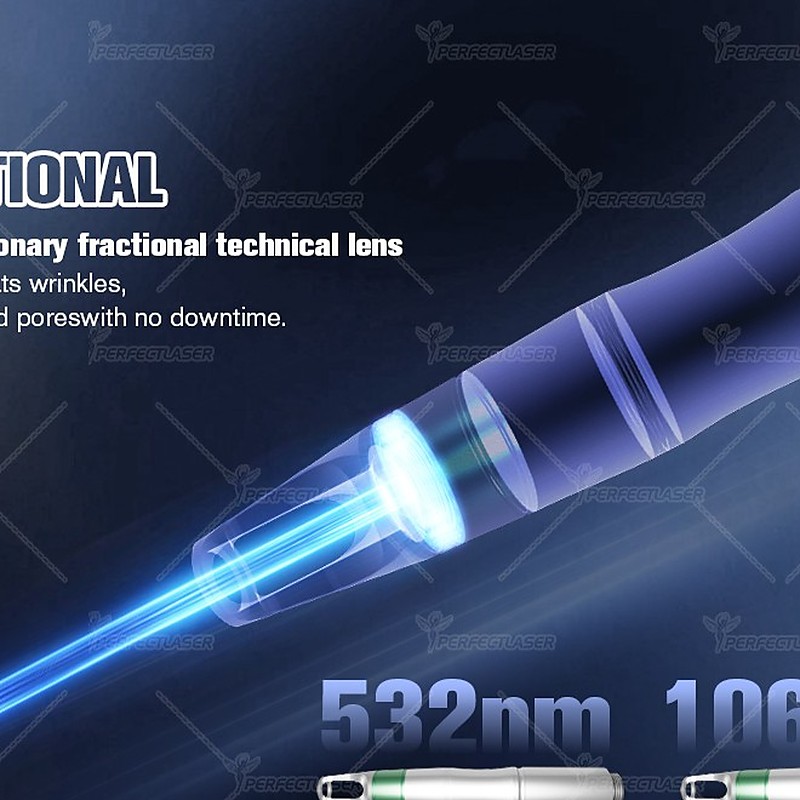
Cooling is the main comfort tool available during treatment, and clinics use it in different ways. Some machines build cooling into the handpiece or direct it at the treatment area. Others rely on external cooling applied before, during and after each pass, and skin can be cooled between passes to settle the immediate response. A client should ask three things. What cooling is used? Is it applied throughout the session, or only at the start? Can it be increased if the treatment feels more intense than expected? A clinic that hesitates here has a gap in its protocol. Cooling belongs to the picosecond protocol rather than to the optional extras, and if it is limited to a verbal reassurance, that is worth noticing before the appointment rather than during it.
Topical Numbing: What Clinics Can and Cannot Do
Topical anaesthetics are a regulated area rather than a shop-bought convenience, and the rules differ substantially between countries and regions. In some markets certain products are available only on prescription. In others their use in a cosmetic setting is restricted, or the strength and application method are specified by regulation. The position can differ again one border away. Two consequences follow. A clinic should be able to explain in writing what it may offer and under what conditions, and a client should ask rather than assume. Whether a product may be used at all for your case is subject to local regulation and clinical judgment. Where a clinic does use one, the preparation time and the timing relative to treatment affect how well it works, and a clinician’s view of suitability applies. Nothing here is medical advice. Any question about a specific product belongs with the clinic and, where relevant, your own doctor.
Comfort by Treatment Area
Treatment areas have recognisable comfort profiles, and knowing them helps clients plan their day. A small piece on the forearm or shoulder is usually manageable inside a normal appointment. Areas over bone are a different story: the ribs, the ankle, the foot and the neck are commonly reported as more intense, and providers often treat them in shorter passes or across more visits. Large pieces get addressed in sections, which keeps each session tolerable and gives the skin time to recover. Scar tissue and previously treated areas can feel different again, which is one reason the assessment comes before the plan. None of that decides how you personally will experience it. It simply explains why your provider may propose splitting the work instead of finishing it in one sitting.
After the Session: What Helps
The hours after treatment are part of comfort management, and the clinic’s written aftercare instructions should cover them for your case specifically. Keep the area clean and undisturbed. Avoid anything that heats the skin, such as hot showers, saunas or strenuous activity, for the period the clinic gives you. Protect the treated area from sun while it settles, and where there is swelling, elevation and cooling are the usual practical measures. Anything beyond that belongs in the instructions your clinic gave you. That includes any product applied to the skin, because the plan was built around your skin, your area and the settings used. If the healing behaves in a way the sheet did not describe, contact the clinic rather than working it out alone.
Talking to Your Provider About Comfort
The comfort conversation is most useful before the first session, and raising it is normal rather than awkward. Tell the provider how you handle discomfort generally. Mention any previous laser or tattoo work. Then ask what cooling is used, how the session will be paced, and what happens if you find it harder than expected. Ask too whether the plan can be split across more visits if needed, and confirm who to contact afterwards. Providers who welcome these questions are treating comfort the way they treat every other part of the protocol. Their answers tell you whether your appointment was planned for comfort or simply for completion.
Why Two Clients Describe the Same Session Differently
Comfort reports are individual, and that is normal rather than contradictory. Sensitivity varies between people, and it varies for the same person on different days. Treatment areas differ in nerve density and tissue type, and the settings that suit one case may run more conservative or more intensive than another. Anxiety and anticipation shape how sensation is experienced, which is why an unhurried appointment with clear explanations often feels easier than a rushed one. So a friend’s account of their session is not a forecast of yours. When clinic marketing describes a procedure as painless, it is describing a possibility rather than a property. Hold this expectation instead: your provider will plan for your comfort, adjust during the session when you ask, and hand you aftercare written for the treatment you actually received.
| Factor | Why it affects comfort | What the clinic can do |
|---|---|---|
| Treatment area | Skin over bone and near joints carries more nerve endings than the forearm | Shorter passes, staged sessions, pacing chosen for the area |
| Settings and number of passes | Higher energy and longer passes feel more intense | Conservative starting settings, breaks between passes |
| Koeling | It is what takes the heat sensation down during treatment | Integrated or external cooling, maintained through the session |
| Length of the appointment | Tolerance drops as a single long appointment goes on | Split the work across visits where the plan allows |
| Your own state on the day | Sleep, anxiety and recent sun or caffeine all shift sensitivity | Shorter first session, an unhurried consultation |
Veelgestelde vragen
1. Does pico laser tattoo removal hurt?
Most clients describe a rapid snapping or flicking rather than heat. How it feels varies between people and between treatment areas, and it can change from one session to the next. What a good clinic offers is a plan for comfort and a willingness to adjust during treatment. Nobody can promise a painless session, and you should be wary of anyone who does.
2. Is numbing cream used for laser tattoo removal?
Often, yes. Availability and use are regulated locally, though, and the rules differ between countries and regions. Ask your clinic what it may offer, and ask for the answer in writing. For a question about a specific product, speak to the clinic or to your own doctor.
3. Can I take painkillers before a session?
Ask your provider first. Some medications affect bleeding, healing or photosensitivity, and it is their call rather than a decision to make from a general article. They will tell you what is appropriate for your case.
4. Which areas are the most uncomfortable?
The ribs, the ankle, the foot and the neck come up most often, along with any area directly over bone. Larger pieces get worked in sections for that reason. Your provider will pace the session around the area rather than treating every tattoo the same way.
5. What can I do to make my session easier?
Arrive rested and eat normally beforehand, then follow your clinic’s preparation instructions. The most useful thing you can do during the appointment is speak up early if the treatment feels harder than you expected. Adjusting mid-session is easier than managing it afterwards.
For clinics setting up a comfort protocol, the practical starting point is the manufacturer’s operating guidance plus your own written aftercare. The Perfectlaser documentation for the UltraPico platform covers the operating side; your protocol covers the client’s. Together they are what make a Pico Laser Tattoo Removal Machine session predictable for the person in the chair.
 English
 Arabic
 Chinese
 Dutch
 French
 German
 Italian
 Portuguese
 Russian
 Spanish