
Belangrijke ontwikkelingen en trends
Waarom is picoseconde laser tatoeageverwijdering effectief voor een donkere huid?
Picosecond laser tattoo verwijdering De technologie is enorm vooruitgegaan. Het kan nu de veiligheid en de behandelresultaten verbeteren voor mensen met een donkere huid. De zeer korte pulsen, in triljoensten van een seconde, sturen energie precies naar de plek waar het nodig is. Dit vermindert de warmteontwikkeling in een huid met veel melanine. Daardoor verkleint het de kans op post-inflammatoire hyperpigmentatie. Dit probleem komt vaak voor bij mensen met Fitzpatrick huidtypen IV tot en met VI.
Voor donkere huidtinten is de flexibiliteit in golflengte van de werking bijzonder belangrijk. Het maakt het mogelijk om een geschikt energieniveau te selecteren om de melanine-absorptie te beperken, terwijl tegelijkertijd effectief pigment wordt verwijderd.
Hoe zal de picoseconde lasertechnologie zich ontwikkelen tegen 2026?
Tegen 2026 zullen picoseconde lasersystemen zich nog verder hebben ontwikkeld. De nieuwste picoseconde lasersystemen zijn niet alleen ontworpen om stabiele pulsparameters te ondersteunen, maar ook een homogene energieverdeling binnen de laserbundel. behandeling zone. Wanneer behandelingen effectief zijn, maakt dit ze nóg effectiever. Sommige van de nieuwe systemen kijken nu naar slimmere parametercontrole en behandelingsmonitoring. Voorlopig vertrouwen we op de getrainde operator, een correcte huidbeoordeling en de juiste apparatuur van een gecertificeerde fabrikant.
Deze veranderingen leiden gezamenlijk tot betere behandelresultaten en een efficiëntere dagelijkse workflow voor diegenen die zich richten op het verwijderen van tatoeages met behulp van picosecondelasers.
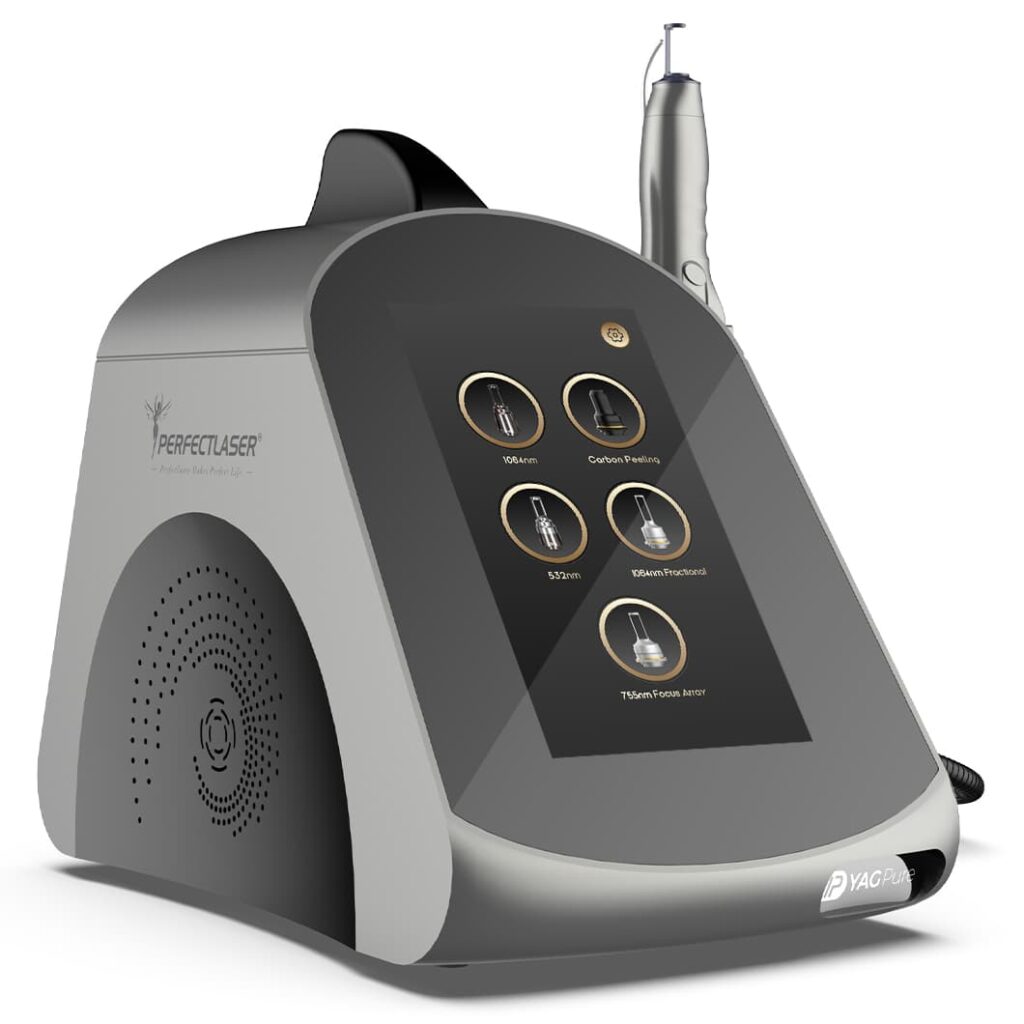
Technische aspecten van picoseconde laser tatoeageverwijdering bij grote tatoeages
Welke invloed hebben energiedichtheid en spotgrootte op de behandeling van grote tatoeages?
Bij de behandeling van grote tatoeages spelen energiedichtheid en spotgrootte een belangrijke rol. Grotere spots bereiken diepere plekken met minder passages over grotere oppervlakken. Door de energiedichtheid aan te passen, wordt voldoende energie geleverd om inktdeeltjes op verschillende diepten te fragmenteren, hoewel de resultaten variëren afhankelijk van de kleur, dichtheid en plaatsing van de inkt.
Koelsystemen spelen ook een belangrijke rol bij lange sessies. Ze voorkomen dat de buitenste huid oververhit raakt. Moderne apparaten maken gebruik van dynamische koeling, waardoor het comfort hoog blijft zonder dat het behandelingsvermogen afneemt.
Welke parameters bepalen de optimale prestaties van picoseconde lasers in 2026?
In 2026 wordt de beste prestatie van picoseconde lasers bereikt met pulsbreedtes van minder dan 500 picoseconden. Deze breedtes zorgen voor een sterke fotomechanische werking in plaats van verwijdering door middel van warmte. Multi-wavelength setups stellen behandelaars in staat om meerkleurige tatoeages, zoals blauw, groen, rood en zwart, met hoge precisie te behandelen.
De picoseconde laser voor het verwijderen van tatoeages maakt gebruik van een ultrakorte pulsduur, gemeten in picoseconden. Dit zorgt voor een nauwkeurige afbraak van de inkt. Het monitoringsysteem voor realtime observatie van de laser controleert continu het uitgangsvermogen, waardoor herhaalbare resultaten bij elke behandeling gegarandeerd zijn.
Veiligheidsaspecten van het verwijderen van tatoeages met een picoseconde laser bij een donkere huid.
Waarom is melanineabsorptie cruciaal bij picoseconde laserbehandelingen?
De absorptie van melanine is bepalend voor de veiligheid tijdens het verwijderen van tatoeages met een picoseconde laser. Dit is vooral belangrijk voor patiënten met een hoger natuurlijk pigmentgehalte. Te veel absorptie kan brandwonden of kleurveranderingen veroorzaken. De regels van selectieve fotothermolysis bepalen de golflengtekeuze om de juiste doelen te bereiken en tegelijkertijd een overmatige melaninereactie te beperken.
Kalibratiestappen vóór elke sessie helpen het risico op hypo- en hyperpigmentatie te verminderen.
Wat zijn de aanbevolen veiligheidsprotocollen voor een donkere huid in 2026?
Naar verwachting zullen de standaard veiligheidsmaatregelen voor fractionele laserbehandelingen in 2026 bestaan uit het geleidelijk verhogen van de energiedichtheid in een reeks behandelingen in plaats van één enkele behandeling met hoge energiedichtheid. Koeling vóór de behandeling in combinatie met hydratatie na de behandeling versterkt de huid en bevordert een sneller herstel. Lopende klinische studies met een breed scala aan patiënten zullen helpen om het veilige gebruik van fractionele laserbehandelingen voor diverse indicaties en bij verschillende patiëntengroepen, zoals etnische groepen, vast te stellen.
Tatoeageverwijdering met een picoseconde laser kan worden toegepast op donkere huidtypen, mits de juiste golflengte wordt gebruikt, de energiedichtheid laag wordt gehouden, er voldoende koeling is en de behandeling wordt uitgevoerd door een ervaren professional die de juiste beoordeling maakt. Bij een donkere huid is extra voorzichtigheid geboden, omdat er een risico bestaat op pigmentveranderingen.
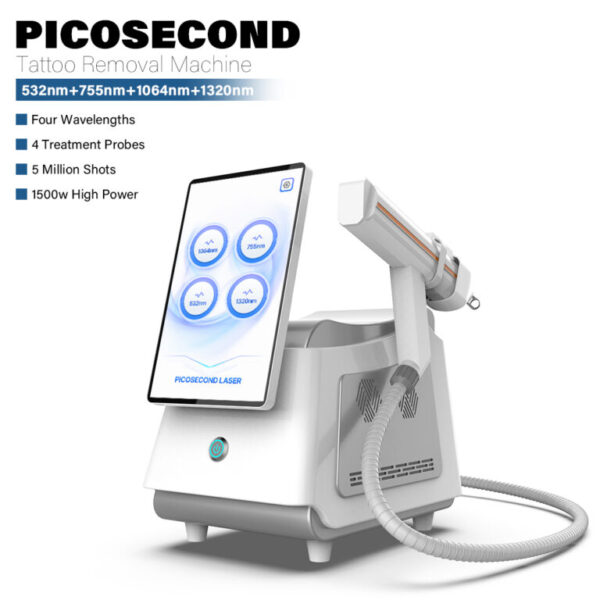
Efficiëntie en klinische resultaten van picoseconde laser tatoeageverwijdering bij uitgebreide ontwerpen
Hoeveel sessies zijn er nodig voor grote tatoeages met picoseconde lasers?
De duur van uw behandeling hangt af van de inktdichtheid en de gebruikte kleuren in uw tatoeage. Een grote tatoeage vereist doorgaans 6 tot 12 of meer sessies, meestal met een tussenpoos van enkele weken. Het exacte interval hangt af van de reactie van de huid, de grootte van de tatoeage, de inktdichtheid en de beoordeling van de tatoeëerder. We hebben onlangs nieuwe scanmethoden op onze nieuwste platforms geïnstalleerd, waardoor we elke sessie in de helft van de tijd kunnen voltooien en toch zelfs de grootste oppervlakken succesvol kunnen behandelen.
Welke factoren beïnvloeden de effectiviteit van de picoseconde laser bij grote tatoeages?
Verschillende factoren bepalen het eindresultaat. Deze omvatten het type inkt, de deeltjesgrootte, de diepte, de immuunrespons en de vaardigheid van de operator bij het instellen van de apparaatwaarden. Goed afgestelde picoseconde lasersystemen leveren een constante fragmentatie, zelfs wanneer kleuren en inktlagen verschillen.
Kosten, toegankelijkheid en marktvooruitzichten voor picoseconde laser tatoeageverwijdering in 2026
Wat kost een behandeling voor het verwijderen van tatoeages met een picoseconde laser in 2026?
De gemiddelde prijs voor een enkele sessie tatoeageverwijdering ligt wereldwijd tussen de $250 en $600 per sessie. De kosten voor het verwijderen van een tatoeage kunnen variëren afhankelijk van de grootte van de tatoeage en de locatie van de kliniek die de behandelingen aanbiedt. Grote tatoeages vereisen mogelijk meerdere sessies en kunnen, gebaseerd op de gangbare prijzen van 2026, in totaal wel $2.000 tot $5.000 kosten. Veel klinieken voor tatoeageverwijdering bieden tegenwoordig pakketten of lidmaatschappen aan, waardoor de kosten voorspelbaar blijven en meer patiënten terugkomen.
Het terugverdienen van de investeringskosten voor apparatuur blijft belangrijk voor klinieken die hoogwaardige apparatuur aanschaffen. picosecondenlaser platforms.
Welke regio's bieden concurrerende prijzen voor het verwijderen van grote tatoeages?
In drukke stadsgebieden met veel klinieken zijn de prijzen vaak lager vanwege de concurrentie. Opkomende markten introduceren nu betaalbare apparaten om te voldoen aan de groeiende vraag naar geavanceerde huidbehandelingen. Lokale regelgeving met betrekking tot de goedkeuring van medische apparaten beïnvloedt ook de prijsverschillen tussen regio's.
De rol van Perfectlaser in de ontwikkeling van picoseconde lasertechnologie tegen 2026
Hoe draagt Perfectlaser bij aan innovatie in apparaten voor het verwijderen van tatoeages?
Bij PerfectlaserWe blijven investeren in onderzoek om de uniformiteit van de laserstraal en het energieverbruik van onze picoseconde-lasersystemen te verbeteren. Bij Perfectlaser richten we ons op het verbeteren van de straalstabiliteit, het energievermogen, de golflengteopties en de gebruiksvriendelijkheid voor professionele tatoeageverwijdering. Dit is met name handig bij de behandeling van grote of complexe tatoeages. Door samen te werken met huidspecialisten zorgen we ervoor dat elk systeem aan strenge klinische normen voldoet voordat het op de markt wordt gebracht.
Met zijn aanpasbare instellingen en regelbare energieniveaus ondersteunt onze picoseconde laser voor tatoeageverwijdering behandelingen die zijn afgestemd op elke tatoeage en elk huidtype.
Welke toekomstige toepassingen kunnen er voortkomen uit het picosecondeplatform van Perfectlaser?
Naast het verwijderen van tatoeages kunnen picoseconde lasers ook worden gebruikt voor andere specifieke pigmentatieproblemen en, indien gewenst, voor huidverjonging, afhankelijk van de golflengte, het type handstuk en een professionele beoordeling. Ze gebruiken afgestemde golflengten om melanine te targeten. We ontwikkelen ook AI-gestuurde modules. Deze modules meten de reactie van de huid tijdens de behandeling en passen de output direct aan voor optimale resultaten.
Draagbare versies vergroten de toegankelijkheid en ondersteunen mobiele klinieken zonder prestatieverlies. Dit maakt geavanceerde huidverzorging voor een breder publiek beschikbaar.
Veelgestelde vragen
V: Bestaat er een laserbehandeling voor het verwijderen van tatoeages bij een donkere huid met behulp van picoseconde-technologie?
A: Ja. Perfectlaser-oplossingen voor een donkere huid maken gebruik van een picoseconde laser voor de veilige behandeling van een donkere huid. Een picoseconde laser verschilt van een nanoseconde laser doordat de pulsen zeer kort zijn. De pulsen van een picoseconde laser zijn zo kort dat er geen tijd is voor de laser om veel warmte in de huid af te geven. Dit helpt te voorkomen dat overtollige warmte donkere vlekken, lichte vlekken of littekens veroorzaakt en zorgt voor een goede pigmentverwijdering bij correct gebruik.
Vraag: Is tatoeageverwijdering met picoseconde lasers in 2026 populairder dan andere methoden?
A: Tegen 2026 zal picoseconde laser tatoeageverwijdering een veelgebruikte optie zijn om efficiënte resultaten te behalen met de juiste parameters voor tatoeageverwijdering. Dankzij de nieuwste technologie van de zogenaamde picoseconde lasers is het mogelijk om alle kleuren te behandelen en kan de warmteverspreiding worden verminderd in vergelijking met sommige nanoseconde systemen, die slechts een beperkt aantal kleuren konden verwijderen.
V: Wat moet je weten over de kosten van het verwijderen van grote tatoeages met een picoseconde laser?
A: De kosten voor tatoeages die een handicap aan een ledemaat voorstellen, kunnen variëren afhankelijk van de grootte van de tatoeage en de locatie op het lichaam. Een grote tatoeage die een groot deel van het lichaam bedekt, kan in meerdere sessies worden gezet. De prijs voor grote tatoeages kan variëren van $2.000 tot $5.000 en meer, afhankelijk van de markt.
V: Is een picoseconde laser effectief voor zowel het verwijderen van tatoeages als pigmentvlekken?
A: Ja. Perfectlaser picoseconde laser voor zowel pigmentvlekken als tatoeages. Behandelaars kunnen de golflengte aanpassen aan het gewenste doel, of het nu gaat om melanine of tatoeagepigmenten.
V: Wat is de beste en veiligste manier om een tatoeage te verwijderen met een picoseconde laser?
A: Een veilige aanpak begint met een professionele controle. Vervolgens wordt de hoeveelheid energie die vrijkomt afgestemd op uw huidtype. Koeling tijdens de behandeling is essentieel, en daarnaast is continue hydratatie na de behandeling cruciaal. Zo herstelt uw huid na een goede behandeling zonder verkleuring of littekens.
 English
  Arabic
  Chinese
  Dutch
Dutch  French
  German
  Italian
  Portuguese
  Russian
  Spanish