
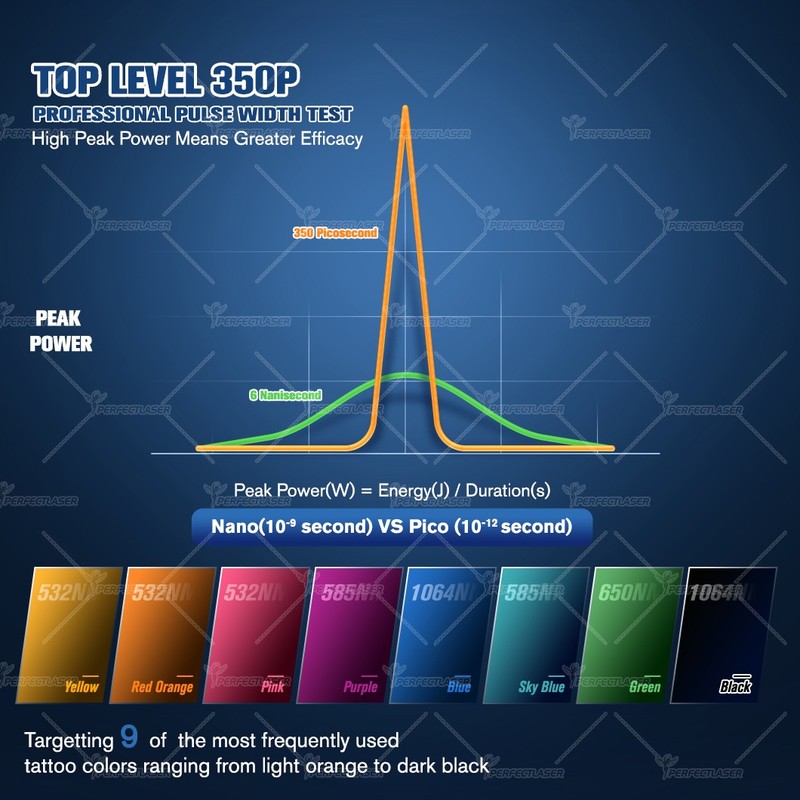
Short answer: importing a Máquina de retirada de tatuagem de laser Picosecond from China works when the buyer treats it as a compliance project with a machine attached — model-specific regulatory coverage, a duties estimate, in-country registration and operator rules each deserve a line in the plan. The factory ships hardware; the importer imports the paperwork that makes the hardware legal to run.
Factory-direct pricing from China is attractive for a reason, and the reason is not that the machines are worse — it is that the value chain around the machine is yours. Customs classification, duties, model-specific regulatory coverage and the local rules that govern who may operate the device all transfer to the importer, and each one is a step where an unprepared buyer loses money or time. This guide walks the US and UK import path in the order it actually happens: the paperwork before the order, the shipping decision, the customs landing, and the compliance file that makes the machine legal in your market.
Before the Order: The Model-Specific Compliance File
The compliance question comes first because it can disqualify a purchase before freight does. For US buyers, the relevant clearance is the FDA 510(k) — and the number must name the exact model and configuration you import, because clearance travels with the model, not with the factory’s general claims. Verify the number in the FDA’s public database, note the cleared indications, and keep the listing page in your file. For UK buyers, ask which marking applies to units shipped to your address — UKCA for Great Britain under current arrangements — and request the Declaration of Conformity and supporting documents, then confirm premises and operator registration requirements with your local authority. “FDA cleared” without a model-specific reference is a marketing phrase; the file that names your model is the one that clears customs and satisfies your insurer.
The Shipping Decision: Incoterms, Freight and Insurance
Freight terms decide where risk transfers, and importers who skip the incoterms conversation discover it at the port. Ask the factory for its terms in writing: EXW puts everything on you from the factory door, FOB transfers risk at the port of loading, and door-to-door terms bundle more but cost more. Sea freight is slower and cheaper for a heavy machine; air freight is faster and priced accordingly; insurance covers the journey, and the buyer who skips it is self-insuring the largest single line of the shipment. Ask the factory for the shipping documents list — commercial invoice, packing list, and any certificates of origin — because missing documents at customs cost more than the document itself. A buyer who settles incoterms, freight mode and insurance before the order rarely meets the surprise the buyer who discovered them at the port meets weekly.
Landing the Shipment: Customs Classification and Duties
At the border, three numbers matter: the tariff classification, the valuation basis and the duty rate that applies. A customs broker is not an expense here; it is the cheapest insurance in the import, because classification errors, valuation disputes and missing documents cost multiples of the broker’s fee in delays and penalties. Ask the broker for a duties estimate before the deposit so the landed cost is a budget line rather than a surprise, and confirm whether your market adds sales tax or VAT on top of duty. If your country applies registration or notification requirements to laser devices, file those in the same window — the machine that sits at a broker’s warehouse while paperwork catches up is a machine earning nothing. The importer who treats the broker as part of the team lands shipments on schedule; the one who treats the broker as an afterthought lands lessons instead.
After Landing: Making the Machine Legal to Run
Clearing customs makes the machine legal to own; it does not make it legal to run, and the second question belongs to your local rules. Ask your state board or local authority what qualification the operator must hold and whether the service falls under medical oversight in your market — requirements differ by state in the US and by region in the UK, and they change, so the written answer from your regulator is the document that governs. Confirm the same answers with your insurer, because policies usually require documented training and a defined scope before covering laser treatments. Commission the machine with the factory’s training, keep the compliance file — clearance references, invoices, training certificates, consent protocols — together, and the machine that arrived through the paperwork leaves it behind cleanly. Importers who build this file as they go never face the scramble the others meet at their first audit.
The Import Checklist at a Glance
| Stage | Task | Owner |
|---|---|---|
| Before order | Model-specific 510(k)/UKCA/CE file, verified | Importer + factory |
| Before order | Incoterms, freight mode, insurance agreed in writing | Importer + factory |
| Before order | Duties estimate from customs broker | Importer + broker |
| Order | Staged payments tied to production and shipment | Importer |
| Shipping | Commercial invoice, packing list, documents pack | Factory |
| Landing | Customs clearance, duties, VAT/sales tax | Broker |
| After landing | Operator qualification and registration confirmed locally | Importer + regulator |
| After landing | Insurance, commissioning, training, compliance file | Importer + factory |
Documentation Traps That Delay Shipments
Most import delays are paperwork delays, and the traps are predictable once named. The commercial invoice that describes the goods differently from the packing list — a discrepancy that stops customs while it is resolved. The declared value that does not match the payment records, inviting a valuation review. Certificates of origin missing when a trade agreement could have lowered the duty. A model description on the invoice that does not match the model named in the regulatory file, which matters when the device class is checked. And documentation in the factory’s language only, when your broker needs it translatable. The fix is a documents checklist agreed before shipment: invoice, packing list, certificates, and the regulatory references, each matching the others and matching the machine. Ask the factory to confirm the pack before the crate closes, because a document fixed in the factory’s office costs nothing, and the same fix at the border costs days.
The First Shipment: What to Expect, Week by Week
A first import feels chaotic until the timeline is visible, and the timeline is roughly this: weeks one and two settle the paperwork — incoterms, the duties estimate, the compliance file — while production runs; week three or four brings the pre-shipment check and the documents pack; shipping then runs on the freight mode you chose, from days by air to weeks by sea; and the landing week belongs to the broker, customs and the duties payment. After landing, commissioning and training take the machine from crate to client, and the compliance file — clearance references, invoices, training certificates — should be complete the same week. Importers who map the timeline before ordering know which weeks need their attention and which belong to other people; importers who discover it live spend the whole journey catching up, which is the expensive way to learn a predictable process.
FAQ
1. Can I import a picosecond laser from China to the US or UK?
Yes, when the import is treated as a compliance project: model-specific regulatory coverage verified first, a duties estimate before the deposit, and operator and registration rules confirmed with your local authority. The factory ships hardware; the importer imports the paperwork that makes it legal.
2. What FDA documentation do I need for a Chinese picosecond laser?
For US import, the 510(k) reference must name the exact model and configuration you are importing — verify it in the FDA’s public database and keep the listing in your file. General “FDA cleared” claims without a model-specific number will not satisfy customs or your insurer.
3. What does importing actually cost beyond the machine price?
Freight and insurance, customs duties, VAT or sales tax, broker fees, and potentially in-country registration — plus commissioning and training after landing. Ask the broker for an estimate before the deposit so the landed cost is a budget line, not a discovery.
4. What incoterms should I use when importing?
EXW puts everything on you from the factory door, FOB transfers risk at the port of loading, and door-to-door terms bundle more at a higher price. Choose based on your broker relationship and risk appetite, and get the terms in writing before the order.
5. Do I need a license to operate an imported laser?
Requirements differ by state in the US and by region in the UK, and some markets require medical oversight for certain device classes. Ask your local authority what qualification the operator must hold, confirm the same with your insurer, and treat the answer as part of the import budget.
Start the import on the right side of the paperwork: ask Perfectlaser‘s export team for the shipping-documentation checklist and the compliance file outline for the Picosecond Laser Tattoo Removal Machine range — what ships with the unit, what is available on request, and how the model-specific documentation maps to your US or UK import — so the file is built before the crate is.
 English
  Arabic
  Chinese
  Dutch
Dutch  French
  German
  Italian
  Portuguese
  Russian
  Spanish